-
E-mail
wanchensyj@163.com
-
Phone
15550413681
-
Address
No. 4, Zhaozhuang Industrial Park, Liuchangshan Road, Shizhong District, Jinan City, Shandong Province
Shandong Wanchen Testing Machine Co., Ltd
In depth analysis | High and low temperature tensile testing machine
Date: 2025-09-23Read: 0
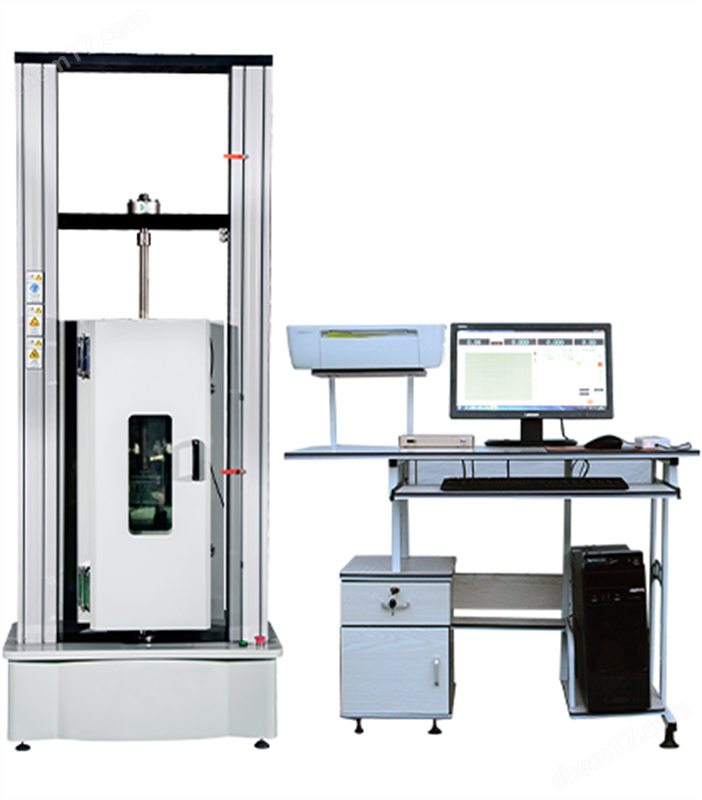
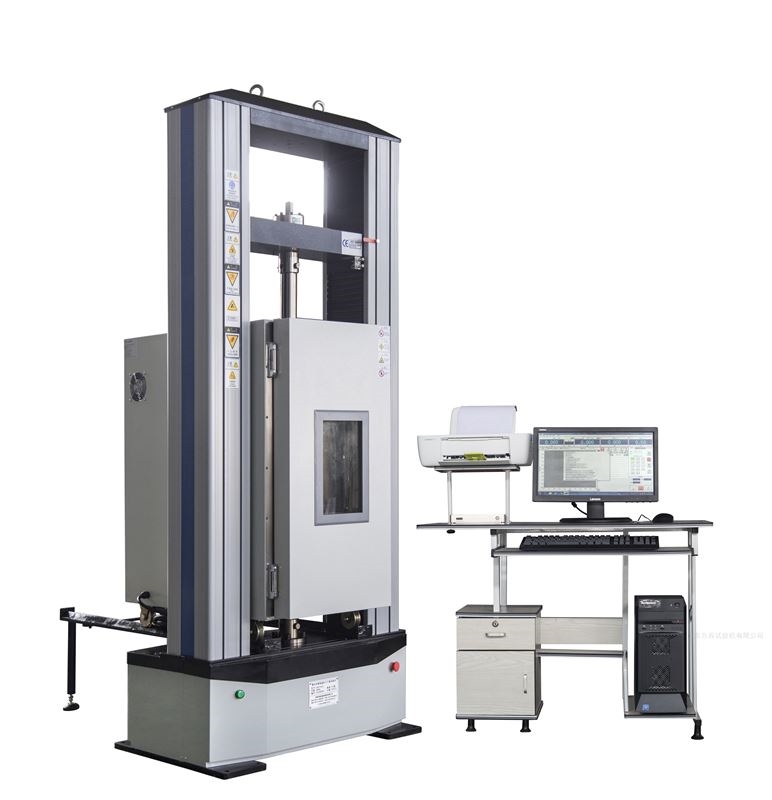
The high and low temperature tensile testing machine is an experimental equipment that integrates a high and low temperature environment simulation device and a precision mechanical tensile testing system. Its core function is to conduct various static mechanical performance tests such as tensile, compressive, bending, shear, peeling, tearing, etc. on materials in simulated harsh temperature environments, in order to evaluate the reliability, durability, and adaptability of materials under actual working conditions. It is a key instrument in the fields of materials science, product quality control, research and development, and failure analysis.
1、 Equipment structure and working principle
The high and low temperature tensile testing machine mainly consists of two parts:
1. Mechanical testing system (host):
Rack: usually adopts high-strength double screw or door structure to ensure stability under high speed and high load.
Power system: composed of servo motor, servo driver, reduction system, and precision ball screw, providing smooth, precise, and stepless displacement control.
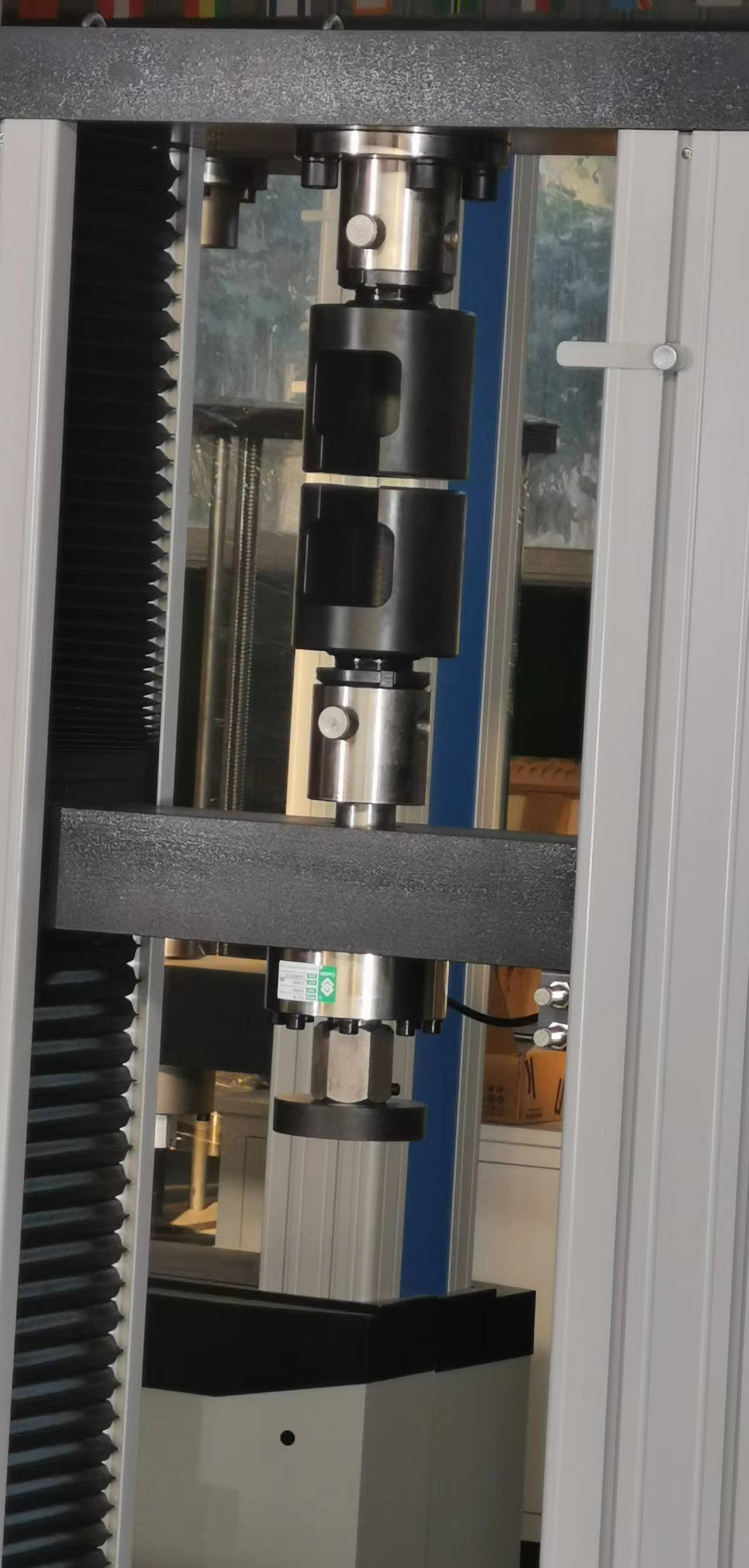
Load sensor: installed on a moving crossbeam, used to accurately measure the force value borne by the sample, and is the heart of measurement accuracy.
Fixture: Specially designed according to the shape of the specimen and testing requirements (such as stretching and bending), usually consisting of an upper fixture and a lower fixture, to ensure that the specimen is firmly clamped and aligned.
2. Environmental simulation system (environmental box):
Test box: Surrounded by the sample, it is made of high-quality stainless steel liner and high-efficiency insulation material, forming a closed temperature controlled space.
Refrigeration system: Typically, cascade refrigeration technology is used to achieve rapid generation and stability of low temperatures (such as -70 ° C, -40 ° C, or even lower) through components such as compressors, condensers, and evaporators.
Heating system: Adopting nickel chromium alloy electric heater, precise and uniform high temperature (such as 150 ° C, 200 ° C or higher) is achieved through PID intelligent control.
Supply air circulation system: Ensure high uniformity of temperature inside the box and avoid temperature deviation at the location of the sample.
Working principle: Install the standard sample into the fixture inside the environmental chamber, and set the target temperature (high or low temperature) through the control system. After the temperature inside the box reaches and stabilizes at the preset value, the mechanical system begins to work, driving the crossbeam to move and applying tensile force to the sample. During this period, force sensors and deformation measuring devices (such as extensometers) continuously synchronize the collection of load, deformation, displacement, and other data of the specimen until the specimen fractures or reaches the predetermined deformation amount. The entire process is monitored and recorded by a computer.
2、 Core technology and performance indicators
| Test force measurement range | 400N-100KN | host weight | 680KG |
|---|---|---|---|
| Maximum test force | 100KN | Effectively compress space | 1000mm |
| Effective stretching of space | 700mm | price range | Negotiable |
| Instrument structure | double column | maximum load | 10KN-100KN |
3、 Main application areas
This device has an extremely wide range of applications, covering almost all industries that have temperature requirements for material properties:
1. Polymer materials: plastics, rubber, engineering plastics, composite materials, etc. Test its tensile strength, elongation at break, elastic modulus, brittleness temperature, etc. at different temperatures.
2. Metal materials, especially aluminum alloys and titanium alloys used in aerospace, are studied for their high-temperature creep properties and low-temperature brittleness.
3. Electronic appliances: wires and cables, insulation materials, PCB boards, solder joints, connectors, etc., verify their connection strength and reliability under harsh temperatures.
4. Automotive industry: Environmental adaptability testing of automotive interior plastics, sealing strips, tires, seat belts, airbags and other components.
5. Textile fibers: detect the strength changes of fibers and fabrics in high or low temperature environments.
6. Adhesives and sealants: Test their adhesive strength and durability at different temperatures.
7. Research and universities: used for the development of new materials, theoretical research, and improvement of teaching quality.
4、 The significance and importance of testing
The test data provided by the high and low temperature tensile testing machine is crucial for modern industry:
1. Quality assessment: It is an important basis for inspecting product quality, ensuring compliance with national standards, international standards, American Society for Testing and Materials standards, etc.
2. Design reference: Provide accurate material performance data for product design, help engineers choose suitable materials and optimize designs, and avoid safety accidents caused by material failure.
3. Failure analysis: When a product malfunctions in a specific temperature environment, simulation testing can be used to reproduce and analyze the cause of the failure.
4. Predicting lifespan: By conducting accelerated aging tests, the lifespan and performance degradation of materials or products in long-term usage environments can be predicted to a certain extent.
Next Article: High temperature tensile testing machine