-
E-mail
sdrnyq@163.com
-
Phone
13656375202
-
Address
No. 2828, Parallel North Road, Tengzhou City, Shandong Province
Shandong Ruineng Instrument Co., Ltd
Shandong Ruineng Instrument - Analysis of 25 Solvent Residues - Experimental Plan
Date: 2025-12-15Read: 1
Residual analysis of 25 solvents
gas chromatography
Experimental Protocol
according toGB 31604.60-2024 implementation
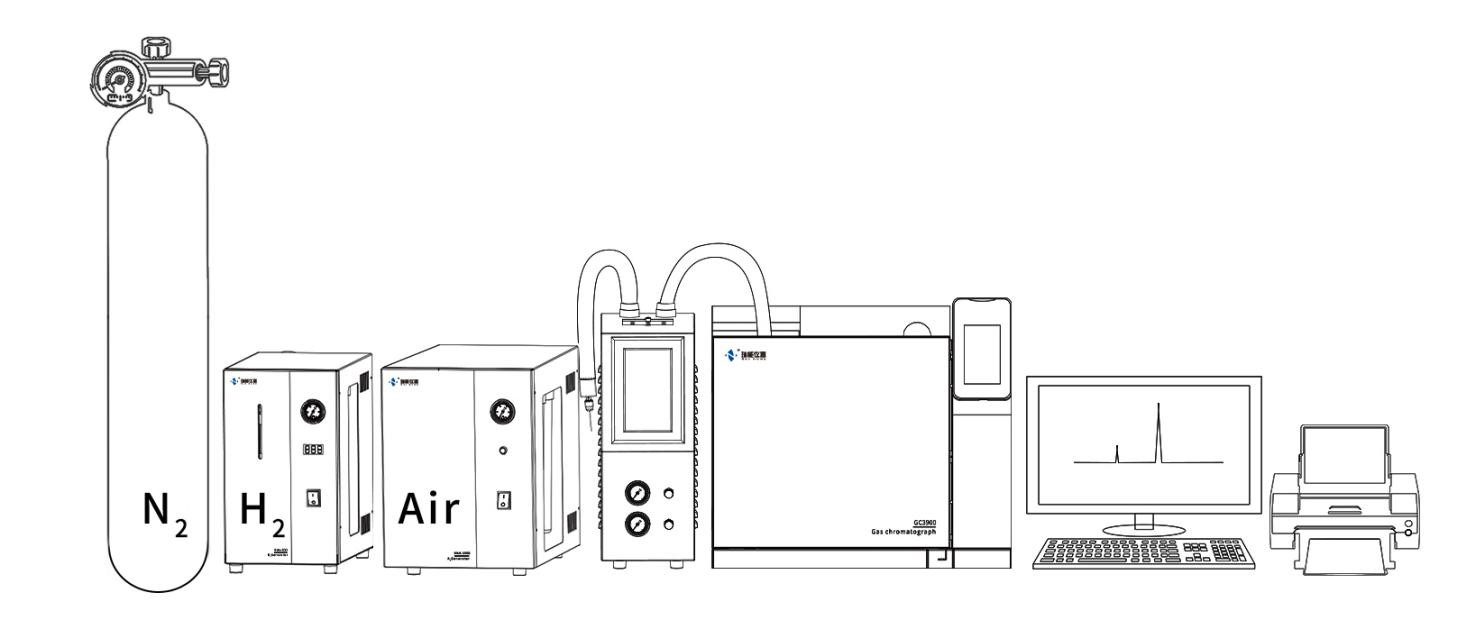
Food safety is closely related to the national economy and people's livelihood. The safety of food contact materials is an important link in ensuring food safety, and its quality control and supervision are particularly important. To prevent food safety risks caused by solvent residues《GB31604.60-2024The national food safety standard for solvent residues in food contact materials and products has been officially promulgated and implemented. This standard strictly stipulates25Requirements for residue limits of specific solvents (including key risk substances such as cyclohexane, acetone, benzene, etc.) in various food contact materialsFocus on covering sealed packaging products such as composite film bags. Its scope of application is clearly defined as food contact materials and products made of materials such as plastic, rubber, paper-based, metal coatings, etc., for industry quality control and regulatory enforcementProvides clear technical boundaries.
Based on this, experts formulate and publishGB31604.60-2024Standards to fill gapsIndustry regulatory gaps, improving the level of food safety assurance.

The specific analytical technique for determining solvent residue is usually gas chromatography(GC)Or headspace gas chromatography(HS-GC). These two methods can effectively separate and quantitatively analyze trace organic compounds in complex matrices.
《GB31604.60-2024》Based on headspace equilibrium technology, the test sample is placed in a closed headspace bottle system for additionHeat, at a certain temperature, causes volatile solvents to reach dynamic equilibrium between gas and liquid phases. Separation of target components in headspace gas by gas chromatography column using hydrogen flame ionization detector(FID)Perform detection and introduce the separated components into a hydrogen flame. The components ionize in the flame to generate an ion flow, and the concentration of each component is quantitatively analyzed by measuring the intensity of the ion flow. Quantitatively calculate the residual solvent content in the sample using the external standard method.2.1 Main equipment:
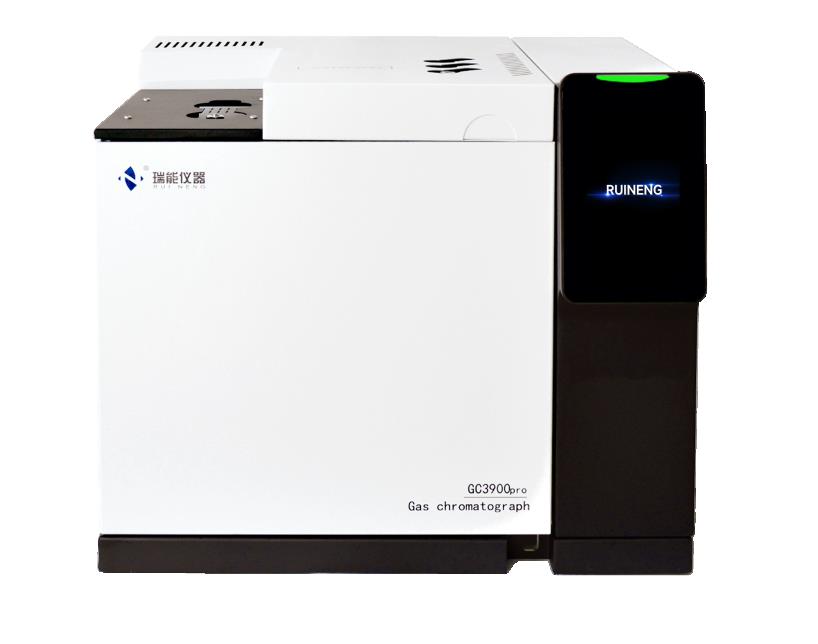
2.1.1gas chromatograph
GC3900Pro (equipped with FID detector)
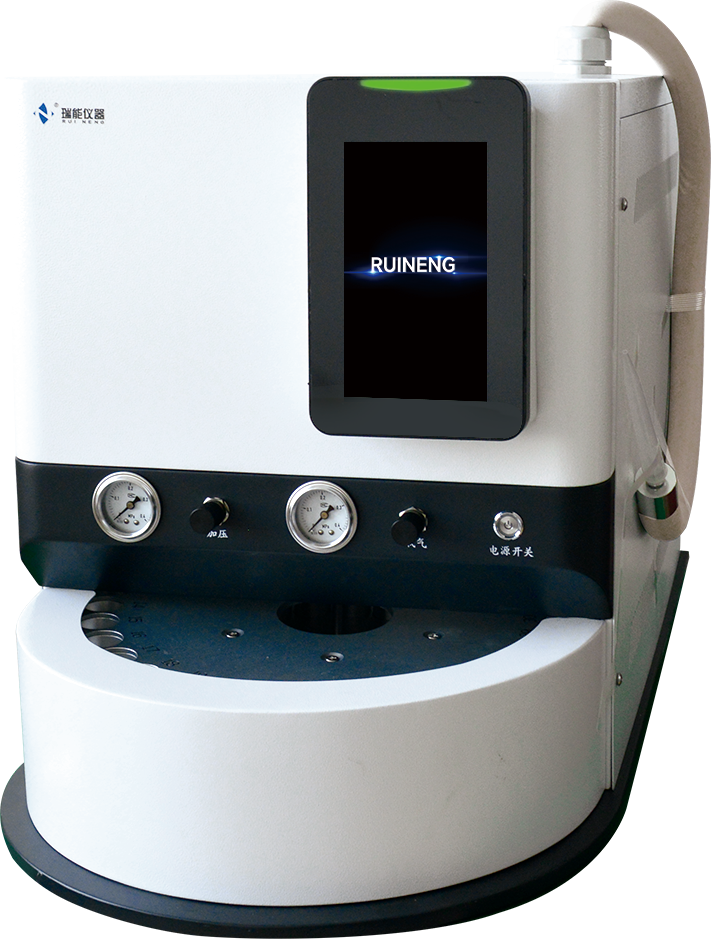
2.1.1 Fully automatic headspace sampler
Analytical balance (sensitivity of 0.01g);
Volumetric flasks (10mL, 50mL), pipettes (1mL, 5mL)
● 20mL headspace bottle with matching sealed aluminum cap and butyl rubber or silicone resin gasket free of residual hydrocarbon solvents
●N,N-Dimethylformamide (chromatographically pure);
●25Seed solvent standard substance (purity)≥98%, or confirmed by nationally certified standard substances)
●High purity nitrogen (purity)≥99.999%).
2.3.1Gas chromatography method(GC)
Detection technology: Hydrogen flame ionization detector (FID)
● Functional positioning: Suitable for rapid screening and quantitative analysis of conventional solvent residues
2.3.2 Sample Preparation and Testing Process:
Headspace sampling technique: By heating, volatile solvents in the sample are equilibrated in the gas-liquid phase to analyze the composition of the headspace gas.
Sample preparation: The sample to be tested needs to be cut into pieces below 5mm × 5mm, accurately weighed, and then added to an extraction solvent (such as N, N-dimethylformamide) for equilibrium treatment to ensure the accuracy of the test results.
2.4.1 Gas Chromatography Analysis Conditions
Fixed phase chromatography column: Polyethylene glycol capillary column (such as XP-WAX-S, 60m × 0.25mm × 0.25 μ m)
Column box: Hold at 32 degrees for 20 minutes, increase to 100 degrees per minute at 3 degrees, and hold at 130 degrees per minute at 10 degrees for 7 minutes
Injector: 230 degrees
● Detection: 280 degrees
●External standard method quantification: Calculate residual concentration based on standard curve to ensure data traceability.
●Result expression: Keep three significant figures; Below the limit of quantification(LOQ)Annotated as“Not detected”.
Experimental results show that separation is feasible


1. All operations must be carried out in a fume hood, wearing protective equipment including but not limited to lab coats, gloves, goggles, and masks to prevent chemical splashes and inhalation risks;
2. Organic solvent waste liquid should be classified and disposed of as hazardous waste. It should be collected in dedicated containers, sealed and stored, and then handed over to qualified waste treatment institutions for further processing in accordance with environmental regulations to ensure compliance with national and local environmental protection standards.
To be continued, please contact customer service for a detailed experimental plan.