-
E-mail
info@systec-lab.com.cn
-
Phone
15601635108
-
Address
Room D1-201, No. 6000 Shenzhuan Road, Songjiang District, Shanghai
Sai Strontium Titanium Krypton (Shanghai) Trading Co., Ltd
Scenario application: How to correctly use high-pressure steam sterilizers for measurement in different environments?
Date: 2025-10-16Read: 0
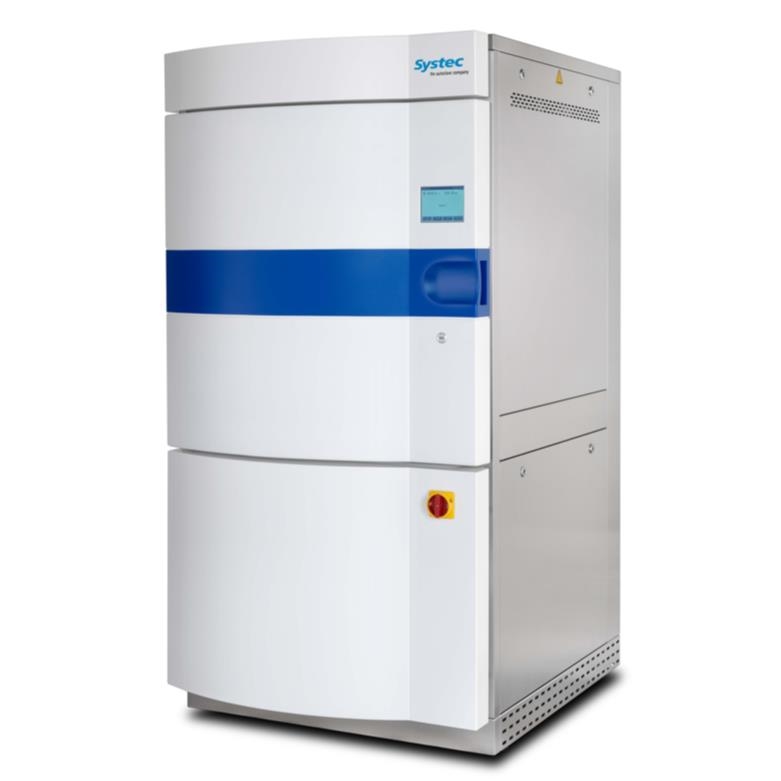
High pressure steam sterilizerThe sterilization of microorganisms through high-temperature steam at 121 ℃ -134 ℃ is the "main force" in medical, laboratory, and industrial sterilization. However, the differences in air pressure, temperature, and humidity in different environments (such as plateaus, laboratories, and mobile medical vehicles) can affect their performance. Mastering the appropriate usage methods for different scenarios is essential to ensure reliable sterilization effects.
Scenario 1: Plateau region (pressure<standard atmospheric pressure)
In high-altitude areas, the air pressure is low (such as about 0.7 × 10 ⁵ Pa at an altitude of 3000 meters), and the boiling point of water decreases (<100 ℃). If a regular sterilizer is operated according to conventional parameters (121 ℃), the actual temperature may only be around 115 ℃, which cannot effectively kill spores. At this point, it is necessary to adjust the sterilization parameters: raise the temperature to 126 ℃ -128 ℃ (corresponding to a pressure of 110-115kPa), or extend the sterilization time to 30-40 minutes (to compensate for the insufficient temperature). At the same time, check the calibration value of the pressure sensor of the sterilizer (the sensor may deviate due to pressure differences in high-altitude environments), and if necessary, use a high-precision pressure gauge (accuracy ± 0.5kPa) for real-time monitoring. For example, the sterilizer in a hospital in Xizang successfully solved the problem of unqualified sterilization of surgical instruments in plateau areas by setting the temperature to 128 ℃.
Scenario 2: Conventional Laboratory (Standard Environment)
The laboratory is usually at standard atmospheric pressure (101.3kPa) and can directly use the default program of the sterilizer (121 ℃/20 minutes or 134 ℃/10 minutes). However, attention should be paid to the impact of environmental temperature and humidity: high temperature and humidity (such as 30 ℃/80% RH in summer) may lead to a decrease in the heat dissipation efficiency of the sterilizer (internal temperature fluctuations>± 2 ℃). It is recommended to place the sterilizer in a well ventilated area (>30cm away from the wall) and avoid direct sunlight. For precision instruments such as optical microscope lenses, specialized sterilization packaging (such as breathable paper+aluminum foil composite bags) should be used to prevent damage to components caused by steam condensation. At the same time, regularly calibrate the temperature sensor (compare with a standard thermocouple, adjust if the deviation is greater than ± 1 ℃).
Scenario 3: Mobile medical vehicle (bumpy and unstable power)
Mobile medical vehicles may experience bumps (acceleration>0.5g) during operation, which may cause liquid to splash out of the sterilizer or loose pipelines. When using, it is necessary to fix the sterilizer (with anti slip pads or straps) to avoid opening the door during movement. In terms of electricity, mobile power sources (such as generators) may experience voltage fluctuations (220V ± 20%) and require a voltage regulator (output voltage stable at 220V ± 5%) to prevent the sterilizer from burning out the heating tube or program interruption due to unstable voltage. In addition, in mobile environments, it is necessary to strictly check the sealing (bumps may cause the door seal to loosen), and before each use, use soapy water to check if there is any air leakage in the door gap (tighten the sealing strip at the bubbling area).
Scenario 4: Low temperature environment (<10 ℃)
The low temperature (<10 ℃) in winter or cold regions can make it difficult for the cold air inside the sterilizer to be discharged (cold air accounting for more than 5% can form sterilization blind spots), resulting in insufficient local temperature. Before sterilization, it is necessary to extend the preheating time (usually 5 minutes to 10-15 minutes), or manually open the exhaust valve to discharge cold air (observe continuous steam coming out from the exhaust port before closing). At the same time, pay attention to antifreeze (if the sterilizer is not used for a long time, the water in the water tank should be drained to prevent the pipeline from freezing and breaking). For example, in winter, the northern laboratory places the sterilizer indoors (temperature>15 ℃) and starts preheating 30 minutes in advance to ensure sterilization effectiveness.
Different environments affectHigh pressure steam sterilizerThe performance of the sterilizer presents a differentiated challenge. Only by adjusting parameters and operating procedures based on factors such as air pressure, temperature and humidity, and power stability can the sterilizer be tailored to local conditions and truly achieve "sterile assurance".