-
E-mail
ustc_sc@163.com
-
Phone
18020740586
-
Address
Room 1503, Building A04, Software Park Phase III, Jimei District, Xiamen City, Fujian Province
Opu Tiancheng (Xiamen) Optoelectronics Co., Ltd
From policy to implementation: Aopu Tiancheng solves the problem of agricultural non-point source pollution with intelligent supervision
Date: 2025-11-26Read: 2
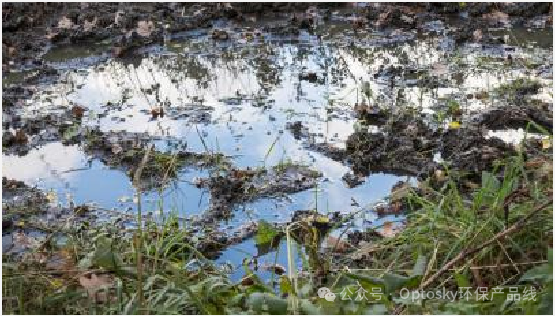
In recent years, agricultural non-point source pollution has become an important factor affecting the water environment quality and ecological security in China. The excessive use of pesticides and fertilizers, indiscriminate discharge of livestock and poultry waste, straw burning, and residue of agricultural film not only pollute soil and water, but also threaten the safety of agricultural products and human health.
1、 The 'invisible' challenge of agricultural non-point source pollution
Agricultural non-point source pollution refers to the excessive accumulation or entry of nutrients such as nitrogen, phosphorus, and organic matter generated during the agricultural production process due to the unreasonable use of chemical inputs such as fertilizers, pesticides, and plastic films, as well as the untimely or improper treatment of livestock, poultry, and aquaculture waste, crop straw, etc., under the joint drive of rainfall and terrain, using surface and underground runoff and soil erosion as carriers, causing pollution to the ecological environment in the soil or entering the receiving water bodies.
Agricultural non-point source pollution has characteristics such as dispersion, lag, uncertainty, and duality, and traditional manual inspection methods are difficult to achieve precise supervision and efficient governance. How to achieve the transformation from "invisible pollution" to "monitored, warned, and treatable" has become the core issue of current agricultural environmental governance.
2、 Opu Tiancheng Intelligent Monitoring System: Stereoscopic and Full Coverage
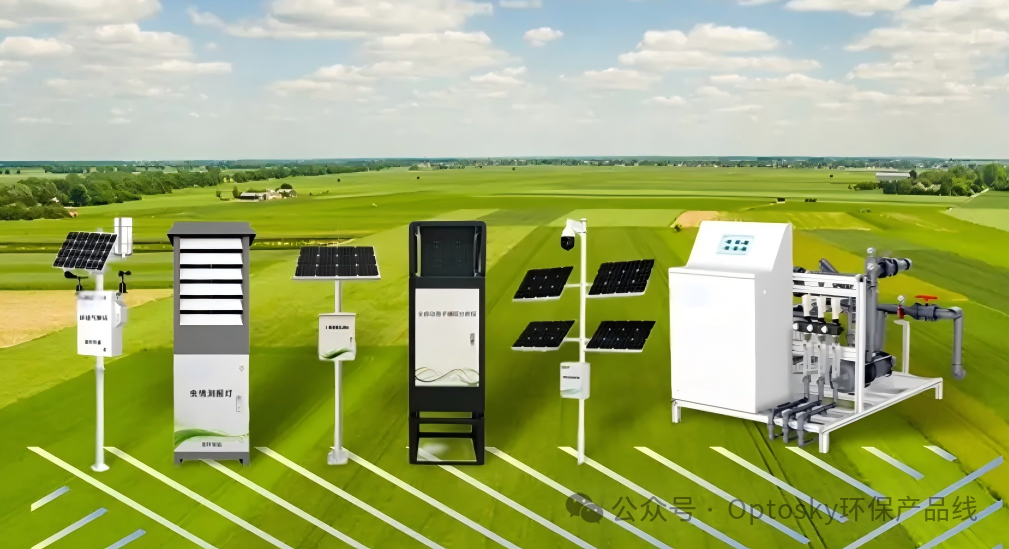
We have built an integrated monitoring network that covers multi-dimensional data such as water quality, soil, meteorology, crop growth, pest infestations, and diseases, achieving full process monitoring from the source to the convergence.

(1) Water quality monitoring system
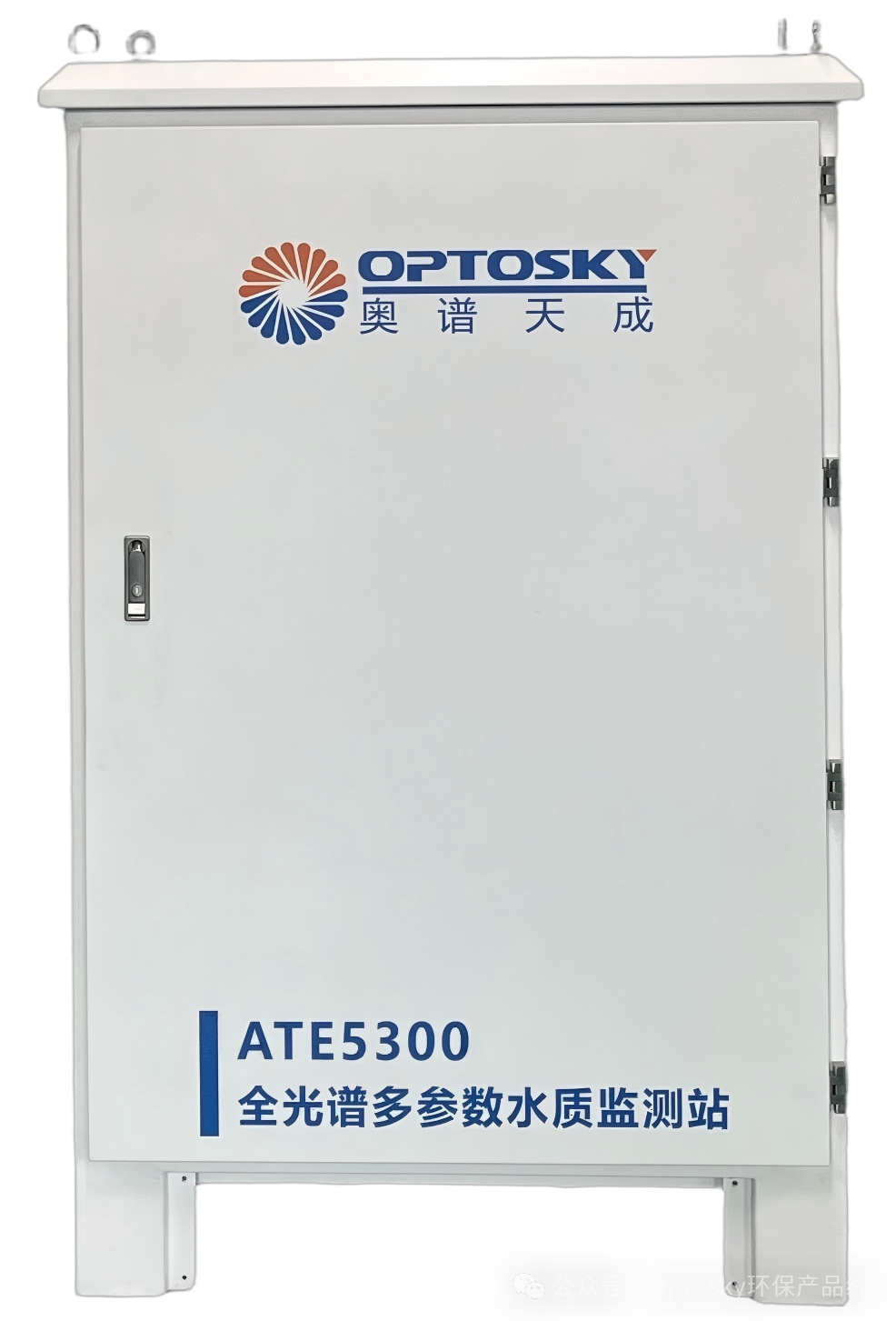
ATE5300 Full Spectrum Multi Parameter Water Quality Monitoring Station: Using UV visible spectroscopy technology, it does not require reagents or secondary pollution, achieving real-time online monitoring of multiple parameters.
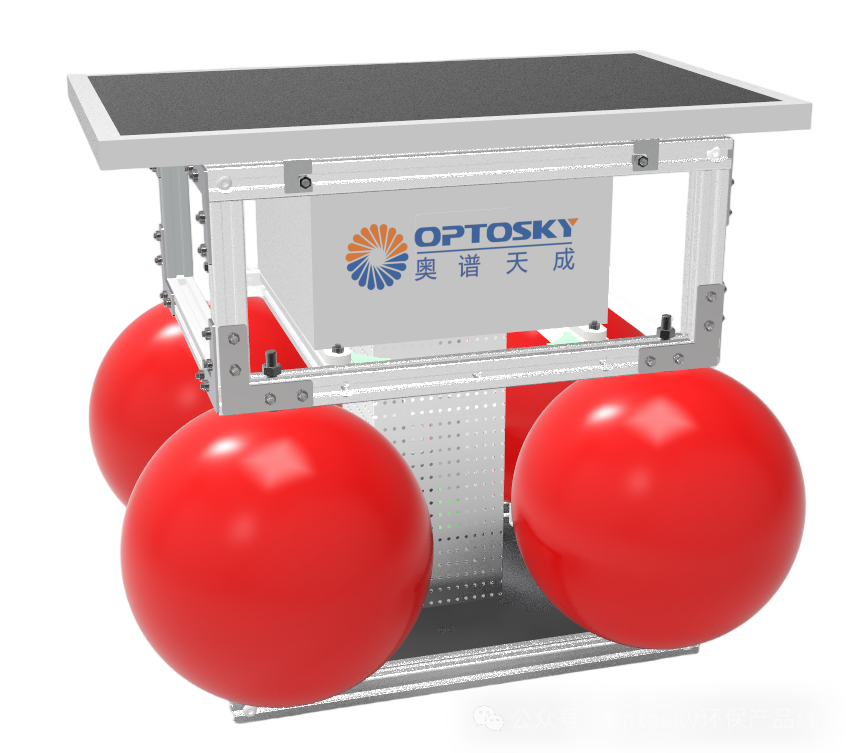
ATE6100 buoy based water quality monitoring system: suitable for open water areas such as lakes, reservoirs, and aquaculture areas, supporting remote transmission and intelligent control.
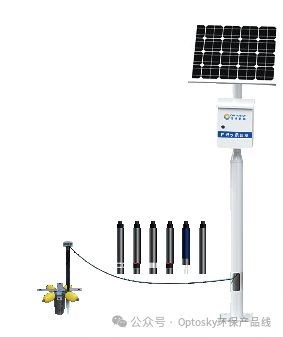
ATE6500 integrated water quality monitoring station: modular design, flexible configuration, widely used in key nodes such as farmland water outlets and ecological ditches.
(2) Agricultural four situation monitoring equipment
NY1000 Agricultural Meteorological Station: Real time monitoring of meteorological elements such as wind speed, rainfall, temperature and humidity.
NY1200 Soil Moisture Analyzer: Accurately monitor soil temperature, humidity, and conductivity to guide scientific irrigation.
NY3400 insect detection and alarm light: automatic insect attraction, identification, counting, AI identification of insect species, precise warning.
NY3500 Spore Catcher: Real time capture of pathogenic spores to achieve early warning of diseases.
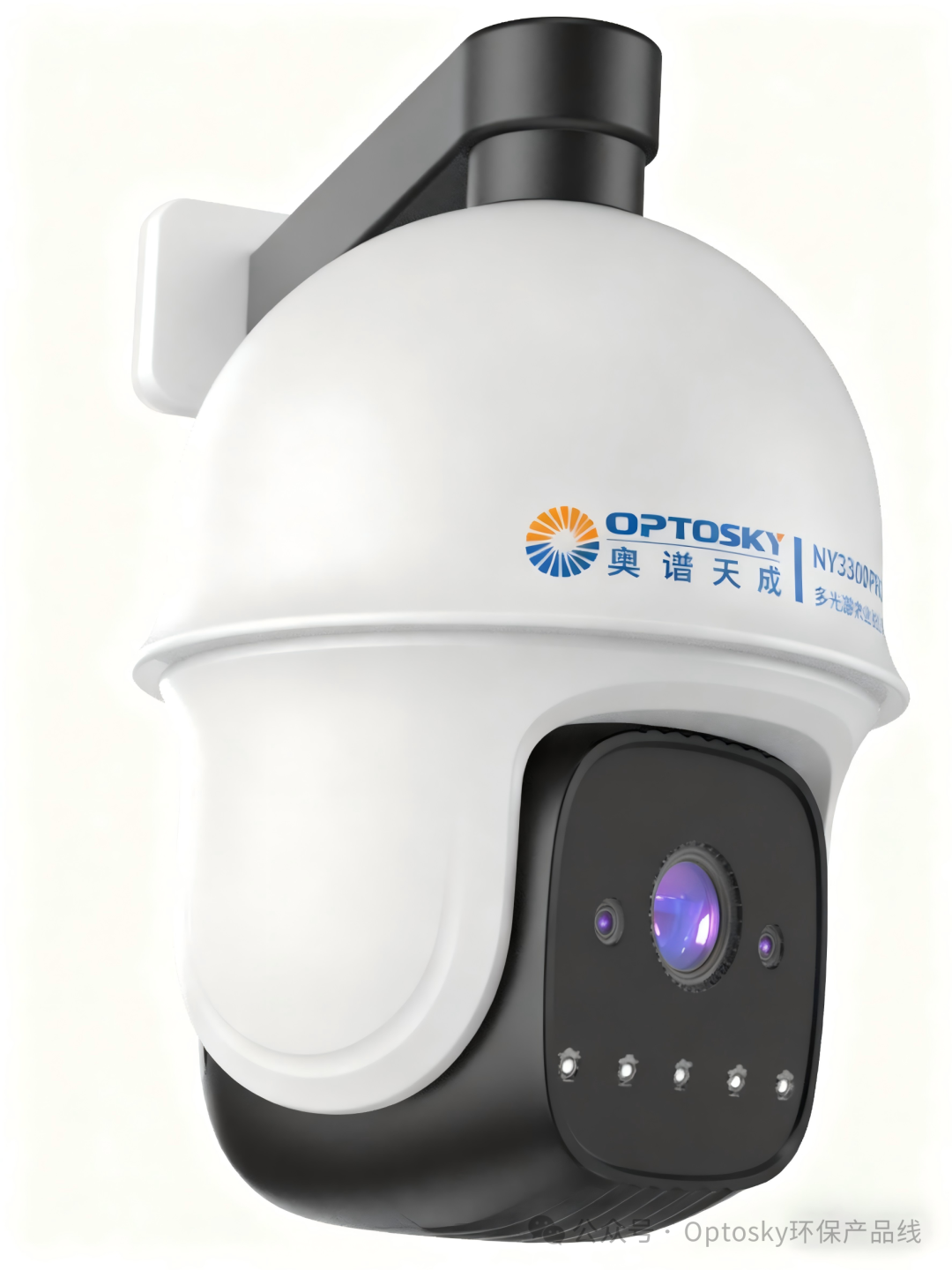
NY3300 Pro Multi Spectral Agricultural Detector: Based on spectral technology to identify crop diseases and assist in precise pesticide application.
3、 Software platform: data-driven intelligent decision-making
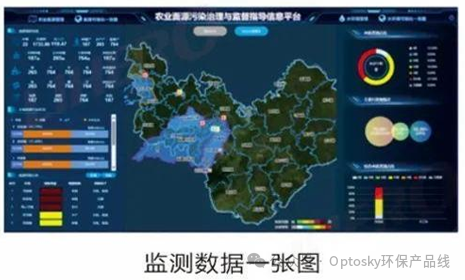
We have developed digital platforms such as a green planting and breeding service system, pollution inspection system, and manure return traceability system to achieve:
(1) Accurate positioning and dynamic supervision of pollution sources
(2) Standardization of inspection tasks and closed-loop management of cases
(3) The entire process of transportation returning farmland supervision is traceable
(4) Multi dimensional data chart analysis to assist decision-making
4、 Policy support and project implementation
The country attaches great importance to the control of agricultural non-point source pollution, and the central government has set up special funds to support projects such as the management of the Yangtze River/Yellow River Basin, the resource utilization of livestock and poultry manure, and the recycling of agricultural film. Opu Tiancheng has successfully implemented monitoring projects in many parts of the country.