The testing environment is an important influencing factor
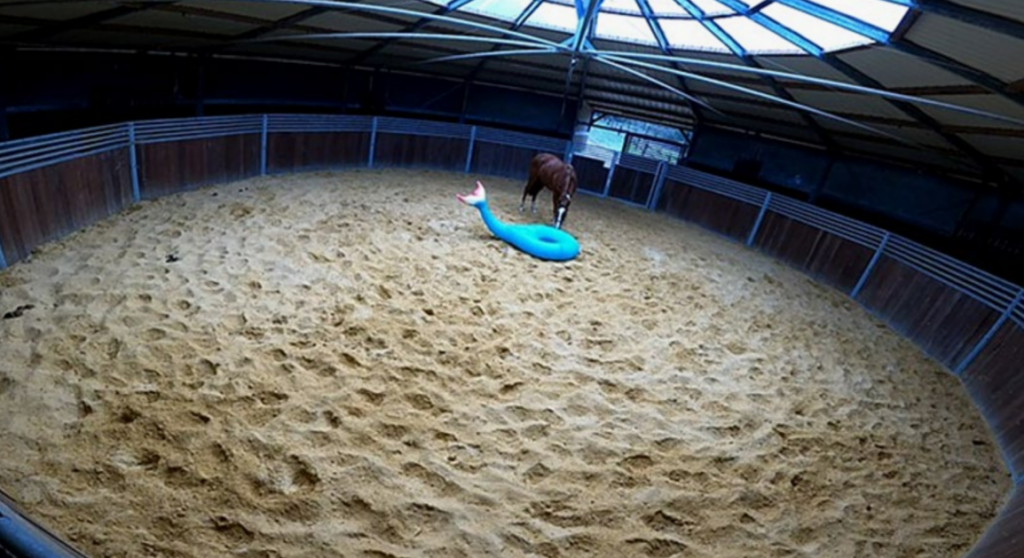
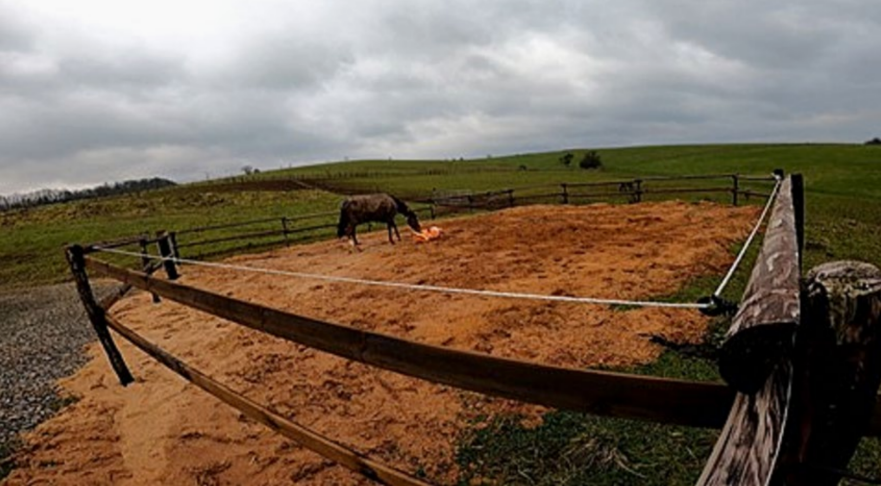
Research has found that testing sites have a significant impact on horse behavior. The same horse showed systematic behavioral differences in the enclosure and circular training field.
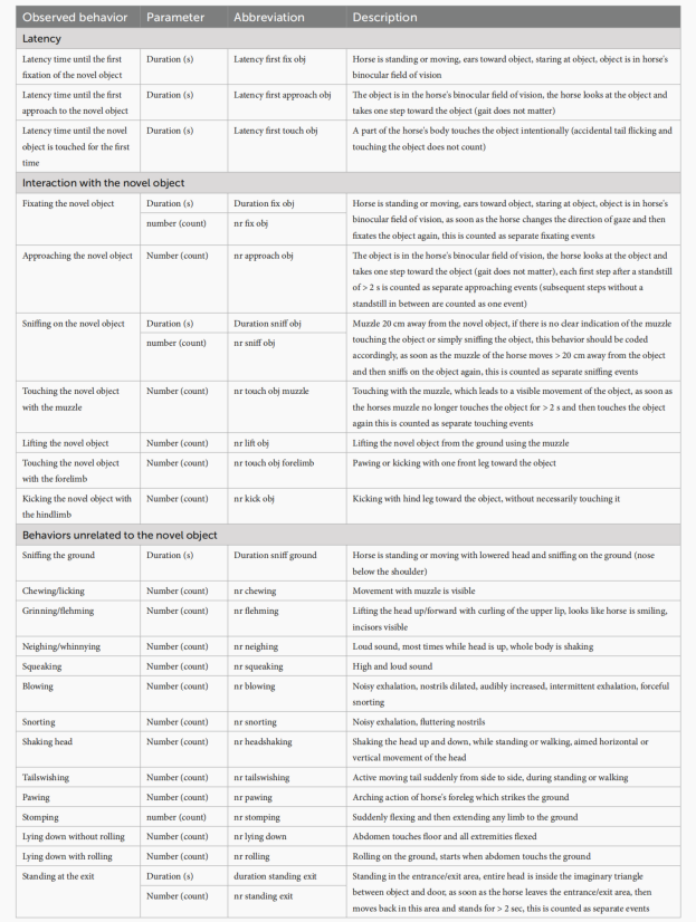
Faster attention, less explorationIn a wider enclosure, the time for horses SC to stare at and approach unfamiliar objects is significantly shorter, but their total interaction time and frequency with objects are less. This means that although the horse noticed something new faster in the enclosure, it did not spend too much time delving into it.
Slow attention, more explorationIn a closed circular training field, the situation is the opposite. Horses take longer to stare and approach objects, but once they start interacting, their total duration of staring at objects, number of fixations, number of approaches, and number of times they touch objects with their mouths are significantly higher.
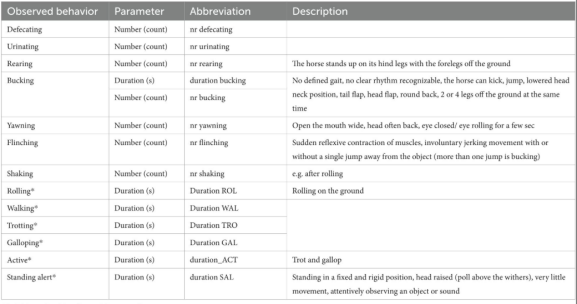
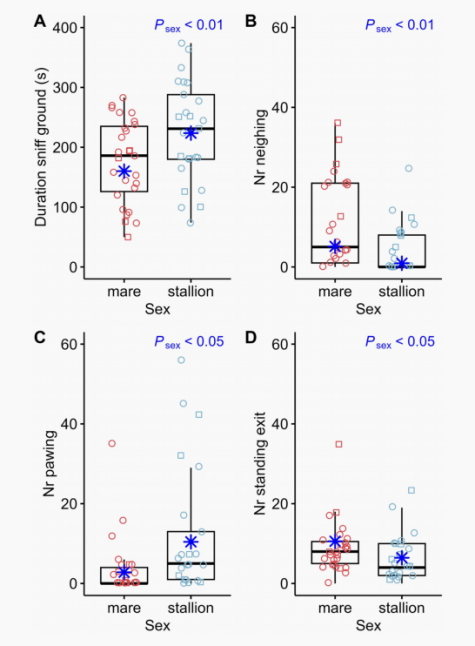
In the circular training field, horses exhibit more "nose spraying" and "defecation" behaviors. In the enclosure, horses exhibit more behaviors such as chewing/licking, barking, standing at exits, and trembling. Sensor data shows that in circular training fields, horses walk for longer periods of time, but run for shorter periods of time, and are in a state of "alert standing" for longer periods of time.