-
E-mail
fld.xiao@fld-tech.com
-
Phone
13857403445
-
Address
Room 812, ShuangK Building, No. 199 Changxing Road, Jiangbei District, Ningbo City
Ningbo Fulide 3D Technology Co., Ltd
How to maintain a handheld color 3D scanner?
Date: 2025-06-17Read: 3
1、 Daily cleaning and maintenance
Handheld color 3D scanner is a high-precision measuring device, and its optical lens and sensor are the core components. Daily cleaning and maintenance are crucial. Firstly, after each use, gently wipe the surface of the lens and scanner with a soft, dust-free cloth to remove dust and stains. Avoid using cleaning agents containing alcohol or other chemical components, as these may damage the coating or surface of the lens casing. For difficult to remove stains, a small amount of distilled water can be used to gently wipe them. At the same time, regularly clean the scanner's casing and connection parts to prevent dust accumulation from affecting the device's heat dissipation and performance.
2、 Control of storage environment
A good storage environment can extend the lifespan of the scanner. Handheld color 3D scanners should be stored in a dry, ventilated, and temperature appropriate environment. Avoid exposing the device to moisture, high temperatures, or direct sunlight, as these environmental conditions may cause aging or damage to the internal components of the device. It is recommended to store the scanner in a dedicated protective box or dust bag to prevent dust and accidental collisions. If not used for a long time, it is recommended to regularly check the condition of the equipment to ensure that it is in good storage conditions.
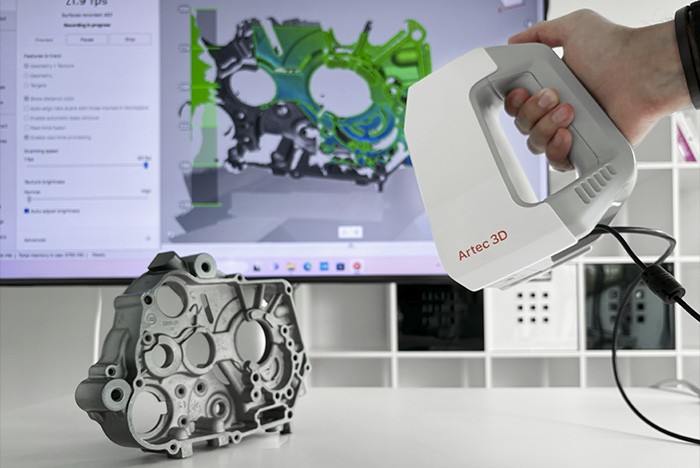
3、 Regular calibration and inspection
Regular calibration is essential to ensure the measurement accuracy of the scanner. Regularly perform calibration operations based on the frequency of device usage and manufacturer's recommendations. The calibration process typically involves using a standard calibration plate or tool and following the steps in the equipment manual. After calibration is completed, precision testing should be conducted to ensure that the performance of the scanner meets the requirements. In addition, regularly check the connection wires, batteries, and other vulnerable parts of the equipment, replace damaged parts in a timely manner, and avoid equipment failures caused by minor issues.
4、 Software Update and Management
Handheld color 3D scanners typically require specialized software for data processing and analysis. To ensure the performance and compatibility of the device, software updates should be regularly checked. Software updates typically fix known vulnerabilities, optimize performance, or add new features. When updating software, it is important to ensure that the firmware version of the device is compatible with the software version to avoid device malfunction caused by version mismatch. At the same time, regularly backup the scanner's configuration files and data to prevent accidental loss or damage.
5、 Operating standards and precautions
When using a handheld color 3D scanner, the operating procedures should be strictly followed. Avoid using the device in strong or dark environments, as these lighting conditions may affect the accuracy of scanning. During the scanning process, maintain the stability of the device and an appropriate scanning speed to avoid inaccurate scanning data caused by jitter or excessive speed. In addition, do not disassemble the equipment or attempt to repair internal components by yourself, as this may damage the equipment or void the warranty. If equipment malfunctions, professional maintenance personnel should be contacted promptly for handling.
6、 Future prospects and maintenance suggestions
With the continuous development of technology, the performance and functionality of 3D scanners are also constantly improving. In the future, devices may become more intelligent and automated, but the basic principles of maintenance still apply. Users should always pay attention to the cleanliness, storage environment, regular calibration, and software updates of the equipment to ensure its long-term stable operation. At the same time, as the usage time of the equipment increases, it is recommended to establish maintenance records for the equipment, recording each cleaning, calibration, and repair situation, in order to better manage the service life and performance status of the equipment.
In short, the maintenance of handheld color 3D scanners needs to start from multiple aspects such as daily cleaning, storage environment, regular calibration, software management, and operating standards. Through scientific and reasonable maintenance measures, the service life of equipment can be effectively extended, ensuring the stability of its measurement accuracy and performance, and providing users with reliable 3D scanning solutions.