-
E-mail
sangli@sangli.com.cn
-
Phone
13770695599
-
Address
No. 38 Shengli Village, Qixia District, Nanjing City
Nanjing Sangli Electronic Equipment Factory
Application of Electroosmotic Experiment Device in Environmental Science
Date: 2025-08-08Read: 0
Electroosmosis refers to the phenomenon of charged ions migrating through a liquid medium under the action of an electric field. In the field of environmental science, electroosmotic experimental devices are widely used in the study of pollutant migration and distribution, soil and water conservation, wastewater treatment, and soil and water remediation. By utilizing it, we can gain a deeper understanding of the behavior of pollutants in the natural environment, thereby providing scientific basis for environmental protection.
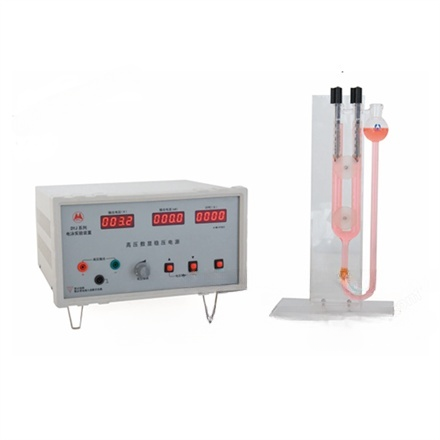
Electroosmotic experimental apparatusThe applications in environmental science include the following aspects:
1、 Research on the Migration and Distribution of Pollutants
In environmental pollution research, it can be used to simulate the migration process of pollutants in soil or water. By using, it is possible to simulate the diffusion and migration of pollutants in soil and water environments. By applying an electric field, the migration behavior of pollutants in soil can be accurately monitored, providing data support for predicting the diffusion trend of pollutants in the natural environment.
2、 Soil and Water Conservation and Soil Remediation
It is also widely used in the fields of soil remediation and soil and water conservation. Pollutants in soil, such as pesticides, heavy metals, or organic solvents, are often difficult to naturally degrade. Through electroosmotic experiments, the impact of electric fields on pollutants can be evaluated, and pollutants can be transported from the soil to concentrated areas through electroosmosis, making it easier to treat and remove. For example, certain environmental pollutants can be effectively transferred from soil through electroosmotic effects, and then recycled or further processed to reduce long-term pollution to the environment.
3、 Wastewater treatment and water restoration
The application of electroosmotic experimental devices in wastewater treatment is also very extensive. In wastewater treatment, especially when dealing with wastewater containing heavy metal ions, it can help separate these pollutants from the water. By applying an electric field, the migration of metal ions can be promoted, thereby collecting them near the electrode and achieving the goal of removing heavy metals. In addition, it can also be used for the degradation of organic matter in wastewater. Under the action of an electric field, certain organic pollutants undergo electrolytic reactions to generate less polluting substances, thereby purifying water quality.
4、 Soil improvement and farmland irrigation
The application in agriculture has also received increasing attention. In the process of improving saline alkali soil, the salt content in the soil can be moved to specific areas by applying an electric field, thereby improving the soil's salinity. In terms of farmland irrigation, it can be used to guide the effective infiltration of water and nutrients, help crops absorb more water and nutrients, and improve agricultural production efficiency.
5、 The role in water source protection
It can also be used for water source protection, especially in the monitoring and restoration of groundwater. By using it, the migration path of pollutants in groundwater can be detected and the pollution source can be effectively controlled. It can also simulate the flow of groundwater, control the migration direction of pollutants through electric fields, effectively prevent the diffusion of pollutants, and protect water sources from pollution.
The application of electroosmotic experimental devices in environmental science, especially in the fields of pollutant migration, soil and water remediation, and wastewater treatment, has demonstrated its advantages. Through electroosmotic technology, it is possible to better understand the dynamic behavior of pollutants in the environment, optimize environmental governance strategies, and improve treatment effectiveness.