-
E-mail
huimengyu@vip.qq.com
-
Phone
18806828246
-
Address
No. 171 Yixian Road, Fuxi Street
Huzhou Lirong New Material Technology Co., Ltd
Design principle and technological innovation of blow bottle
Date: 2025-10-09Read: 40
Blowing bottle is a common laboratory tool widely used in fields such as chemical analysis, environmental monitoring, gas sampling, etc. Its main function is to remove impurities or prevent pollutants from entering the container by blowing in gas (usually inert gases such as nitrogen, argon, etc.) to ensure the accuracy and purity of experiments or sampling.
1、 Design principles
Blow bottleThe design principle of the bottle is based on the control of airflow and pressure, through the flow of inert gas into the bottle, and through a suitable exhaust device, the air or impurities inside the bottle are discharged. Its basic structure includes a sealed bottle body, an air inlet, an air outlet, and a gas regulating system.
1. Gas blowing principle: Its core function is to effectively replace the gas or liquid substances inside the bottle through gas blowing, thereby avoiding pollution or interference. Generally speaking, the gas inside the bottle is blown in by inert gas through the inlet, creating a certain pressure and expelling the original gas or pollutants from the outlet. As the gas continues to flow, the gas components inside the bottle are gradually replaced with inert gas, thereby achieving the effect of cleaning and preventing pollution.
2. Intake and exhaust control: In design, the position and design of the intake and exhaust ports are crucial. A reasonable intake and exhaust structure can ensure smooth airflow, avoid local stagnation and insufficient blowing. In addition, the regulation of gas flow rate is also a key factor in the design. By adjusting the gas flow rate, the exchange rate of gas inside the bottle can be controlled to meet different experimental requirements.
3. Material selection for bottle body: The material is usually chosen to be corrosion-resistant and stable, such as glass, stainless steel, etc., which can ensure that it is not corroded in various chemical environments, guarantee the accuracy of experimental data, and ensure the long-term service life of the equipment.
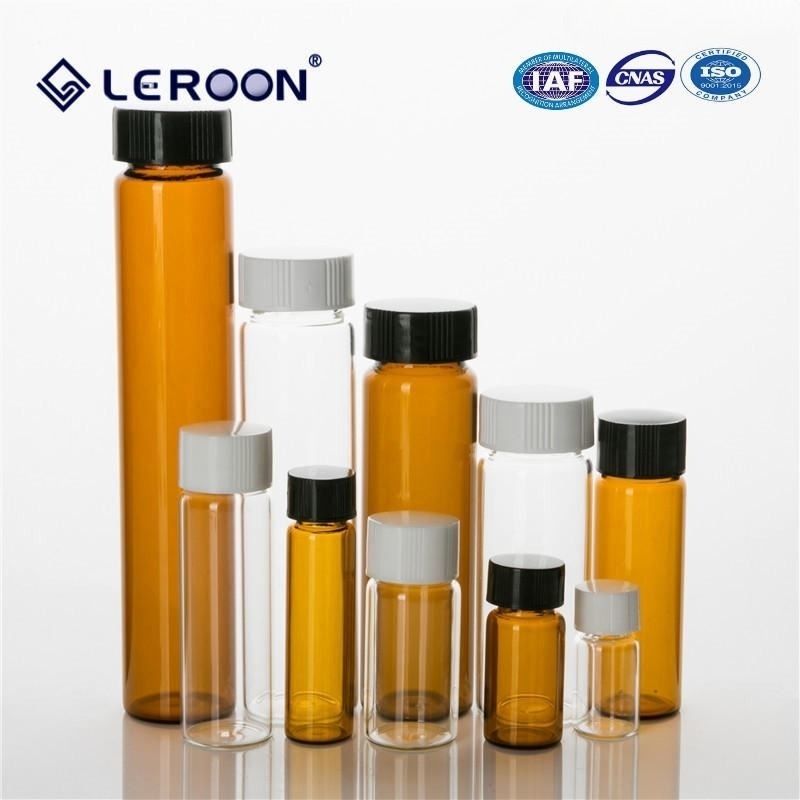
2、 Technological innovation
With the continuous advancement of science and technology and the increasing diversity of demands, the design and function of blow bottles have also undergone many technological innovations. Here are several typical innovation directions:
1. Intelligent control system: Traditional blowing bottles usually rely on manual adjustment of gas flow and inlet and outlet control, but with the development of automation technology, many are now equipped with intelligent control systems. These systems can automatically adjust gas flow rate, pressure, and purge time according to experimental requirements, ensuring the accuracy and consistency of the process. This intelligent control can reduce human operational errors, improve the repeatability and reliability of experimental results.
2. High efficiency gas exchange design: Some innovative designs adopt multi-layer blowing structures or special airflow guidance designs, which can greatly improve the efficiency of gas exchange. By optimizing the airflow path and structure inside the bottle, the contact area between the gas and the substance inside the container can be increased, thereby accelerating the blowing process. This design not only improves the blowing efficiency, but also reduces gas consumption and lowers operating costs.
3. Modular design: Starting with modular design, appropriate accessories or functional modules can be selected according to different experimental requirements and application environments. For example, specific intake systems can be selected based on different types of gases; It is also possible to adapt to different experimental scales by changing the size of the bottle mouth or pipeline. This flexibility makes its use more diverse and capable of handling more complex experiments and application scenarios.
With the continuous development of science and technology, blowing bottles will be more widely innovated and applied in intelligence, automation, and multifunctionality in the future, further improving the accuracy and efficiency of experiments and industrial processes.