-
E-mail
hnrclh@163.com
-
Phone
15039091755
-
Address
Hanhai North Jin, Wenhua Road North Third Ring, Jinshui District, Zhengzhou City
Henan Rongcheng United Technology Co., Ltd
Environmental Impact and Protection: Damage and Maintenance Measures of Paraffin Slicer Caused by Temperature and Humidity
Date: 2025-10-21Read: 0
Paraffin slicer is a key equipment for histological research in pathology laboratories, and its precise mechanical structure and stable operating environment are crucial for the quality of slices. However, temperature and humidity fluctuations in the environment are important factors that affect equipment performance and shorten service life, especially in areas with variable climates that require more attention.
1、 Damage caused by temperature fluctuations
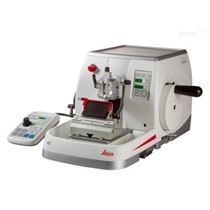
Ultra-Thin Semiautomatic MicrotomeThe working principle of depends on the hardness of paraffin at a specific temperature. Excessive ambient temperature can cause the paraffin embedded blocks to soften, leading to curling, breakage, or "snowflake like" debris during slicing, which affects the integrity of the slices; If the temperature is too low, the paraffin will become hard and brittle, and cracks or uneven thickness may occur during slicing, even damaging the slicing blade. In addition, drastic temperature changes can cause thermal expansion and contraction of metal components, which may lead to mechanical structural deformation, decreased guide rail accuracy, and affect the stability of slice thickness over time. Excessive temperature difference may also generate condensation inside the equipment, causing circuit short circuits or metal corrosion.
2、 Problems caused by high humidity
The harm of high humidity environment to paraffin slicer cannot be ignored. The high moisture content in the air can easily form a water film on the metal surfaces of the slicer (such as the stage, tool holder, and guide rail), causing rusting and corrosion of components and affecting the smoothness of sliding. A humid environment can also cause paraffin wax to absorb moisture, reducing its transparency and hardness, making it easy to stick to the blade and difficult to unfold during slicing. More seriously, moisture may seep into the motor and control circuits, causing short circuits, accelerated aging of components, and even leading to equipment failures or safety hazards.
3、 Scientific maintenance and protective measures
To reduce the impact of temperature and humidity, the following maintenance measures should be taken:
Control environmental conditions: Place the slicer in a constant temperature and humidity laboratory, with a recommended temperature of 18-22 ℃ and a relative humidity of 40% -60%. Avoid direct sunlight and direct blowing of equipment from air conditioning vents.
Pre balancing before use: Before slicing, place the embedding block next to the slicer for 15-30 minutes to make its temperature consistent with the environment and reduce condensation.
Regular cleaning and maintenance: After daily use, wipe the surface of the equipment with a dry soft cloth to remove paraffin debris and dust. Regularly apply special anti rust lubricating grease to moving parts such as guide rails and screws to prevent oxidation.
Long term shutdown protection: If the equipment is not used for a long time, it should be cleaned, covered with a dust cover, and a desiccant should be placed inside the machine to prevent moisture erosion.
Install local humidity control device: Place a small dehumidifier or use a constant temperature slicing table near the equipment to further stabilize the local microenvironment.
Temperature and humidity have an impactUltra-Thin Semiautomatic MicrotomeA stable operating 'invisible killer'. Through scientific environmental control and standardized daily maintenance, the damage of environmental factors to equipment can be effectively reduced, the stability of slice quality can be guaranteed, the service life of instruments can be extended, and reliable support can be provided for pathological diagnosis and scientific research work.
Last Article: Key Component Maintenance Guide: Maintenance of Henan Biomicroscope
Next Article: Discussion on Relevant Issues of Rainfall Sensor