-
E-mail
2224385370@qq.com
-
Phone
13738176644
-
Address
Building B, Champagne Garden, North Software Park, Gongshu District, Hangzhou City, Zhejiang Province
Hangzhou Lebos Experimental Equipment Co., Ltd
Sharing the correct usage method of GL45 film bottle
Date: 2025-10-16Read: 78
GL45 membrane bottle is a highly sealed container used in laboratories to store standard solutions, organic reagents, volatile samples, and sterile materials. Its name comes from the standard thread specification of the bottle mouth (GL45, i.e. 45mm external thread). The GL45 membrane bottle cap is made of inert materials (such as PTFE/silicone) embedded in the membrane, which can achieve multiple sampling through puncture without damaging the overall sealing. It is widely used in chromatographic analysis, environmental testing, pharmaceutical research and development, and biological experiments.
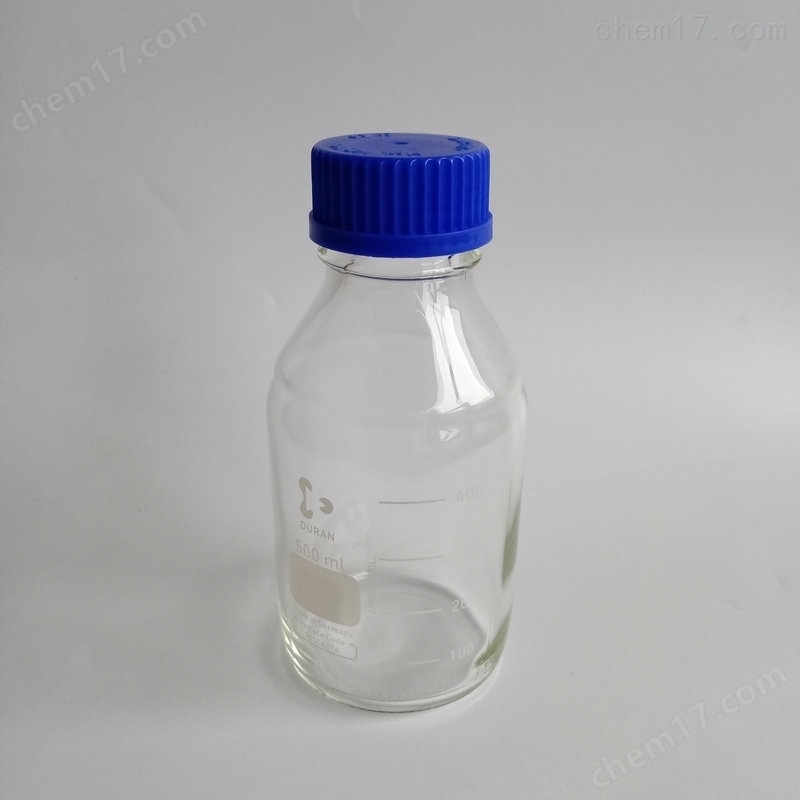
Step 1: Inspection of Bottle Body and Accessories
Before use, check whether the glass bottle body is intact, without cracks or scratches. Confirm that the material of the film embedded in the bottle cap is compatible with the liquid to be stored (such as PTFE, which is resistant to strong acids and alkalis, and silicone, which has good elasticity but limited solvent resistance). Check if the threads are clean to avoid impurities affecting the seal.
Step 2: Sample injection and sealing operation
Inject the liquid to be stored through the bottle mouth to avoid liquid contamination of the bottle mouth threads. After injection, wipe the bottle mouth with a dust-free cloth to ensure there are no residues. Tighten the bottle cap with the film cap using the principle of "hand tightening to the bottom+1/4 turns". Over tightening may cause the glass thread to break or the film to deform and puncture.
Step 3: Puncture Sampling Standards
Use a clean and sharp sampling needle (such as an HPLC injection needle) to vertically puncture the central area of the membrane. Avoid using blunt or angled needles to prevent membrane tearing, debris generation, or leakage. After each sampling, quickly pull out and the membrane should be able to automatically rebound and seal. It is recommended to puncture a single membrane no more than 10-20 times to prevent cumulative damage.
Step 4: Multi channel sampling and adapter usage
For scenarios that require frequent sampling or connection to an automatic sampler, a multi-channel sampling adapter or bottle cap adapter can be used. Ensure that the adapter matches the GL45 thread and the sealing ring is intact. Check the airtightness before connecting the pipeline to prevent the leakage of volatile substances.
Step 5: Storage condition control
Choose storage environment based on the nature of the sample: avoid light, refrigerate, or protect with inert gas. For volatile and oxidizable samples, they can be sealed after being filled with nitrogen or argon gas to extend their shelf life. Avoid high temperatures, severe shaking, or direct sunlight.
Step 6: Reuse and Replacement
If reuse is required, immediately tighten the bottle cap and clean the bottle body after sampling. High pressure sterilization or high-temperature baking are strictly prohibited to prevent membrane aging or glass breakage. When there are obvious puncture marks, poor rebound, or worn bottle threads on the membrane, a new cap or the entire bottle must be replaced.