-
E-mail
1067173170@qq.com
-
Phone
18122351750
-
Address
Room 2519, Jinhui Building, No. 123 Jiefang South Road, Yuexiu District, Guangzhou City
Guangzhou Dejun Instrument Co., Ltd
Online Oil Analyzer for Oil Analysis in Water: Accurate Monitoring of Oil Pollution in Multiple Scenarios
Date: 2025-08-18Read: 0
As the core equipment for environmental monitoring and industrial process control, online oil analyzer can monitor the concentration of oil pollutants in water in real time and continuously through optical, electrochemical or infrared spectroscopy technology. It has a wide range of applicable oils, including mineral oil, animal and vegetable oil, and synthetic oil, and can provide customized solutions for different industry needs. This article will systematically sort out its applicable oils and typical application scenarios.
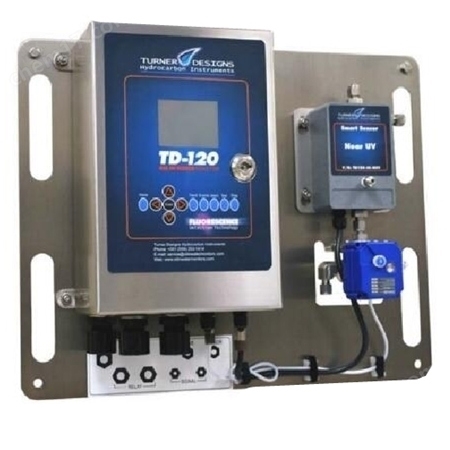
1、 Mineral oil: the main battlefield for industrial pollution monitoring
Mineral oil is a product of crude oil extraction, including gasoline, diesel, lubricating oil, fuel oil, etc. It is the main pollutant in industrial wastewater and leakage accidents. The online oil analyzer in water can efficiently detect the total petroleum hydrocarbon (TPH) content in water using ultraviolet fluorescence or infrared scattering methods. Its applicable scenarios include:
1. Petrochemical industry: Monitor the drainage outlets of refineries and oil storage tank areas to prevent excessive discharge of oily wastewater;
2. Marine oil exploration: Real time tracking of leaks on drilling platforms and oil pipelines to reduce marine ecological risks;
3. Power industry: detect the pollution of transformer oil leakage on the cooling water system to ensure the safe operation of equipment.
2、 Animal and vegetable oils: key indicators for food and municipal wastewater
Animal and vegetable oils, such as soybean oil, rapeseed oil, and animal fats, are widely present in food processing, catering services, and municipal wastewater. Excessive discharge can lead to eutrophication of water bodies and blockage of pipelines. The instrument can specifically identify the vibration characteristics of C-H bonds in animal and vegetable oils through infrared absorption spectroscopy technology, and its applicable scenarios include:
1. Food processing plants: monitor wastewater from slaughterhouses and dairy factories, optimize oil recovery processes;
2. Catering wastewater treatment: Real time control of oil content in the effluent from the oil separation tank to ensure compliance with discharge standards;
3. Municipal sewage treatment plant: Adjust the parameters of the biological treatment unit to improve the efficiency of animal and vegetable oil degradation.
3、 Synthetic oil: precise identification of emerging pollutants
With the development of industry, new pollutants such as synthetic lubricants (such as poly (alpha olefin), ester oils), silicone oils, and fluorinated oils are gradually increasing. This type of oil has high chemical stability, poor biodegradability, and persistent environmental hazards. This instrument can extend its detection range to synthetic oil through multi wavelength infrared spectroscopy or chemical sensor combination technology, and is suitable for various scenarios including:
1. Aerospace industry: monitoring the pollution of airport surface water caused by hydraulic oil leakage from aircraft;
2. Semiconductor manufacturing: detecting residual silicone oil in ultrapure water systems to ensure chip production quality;
3. Cold chain logistics: Track the potential impact of refrigerant leaks on water bodies.
Online oil analyzer has become an important tool for environmental supervision, industrial safety, and water resource protection due to its broad-spectrum applicability. By matching the characteristics of oil pollution in different industries and selecting appropriate detection technologies (such as fluorescence, infrared, or electrochemical methods), precise monitoring from ppb level trace leaks to ppm level pollution can be achieved, providing data support for sustainable development.