-
E-mail
sales@duban.cn
-
Phone
18027672167,18027679886,18027672165,18027672231
-
Address
Room 601, Building 1, Yi'an Science and Technology Innovation Park, No. 23 Gangkou Road, Guicheng Street, Nanhai District, Foshan City, Guangdong Province
Guangdong Duban Technology Co., Ltd
1-minute in-depth understanding of the widespread application and operational precautions of pulse sound level meters in daily life
Date: 2025-12-06Read: 0
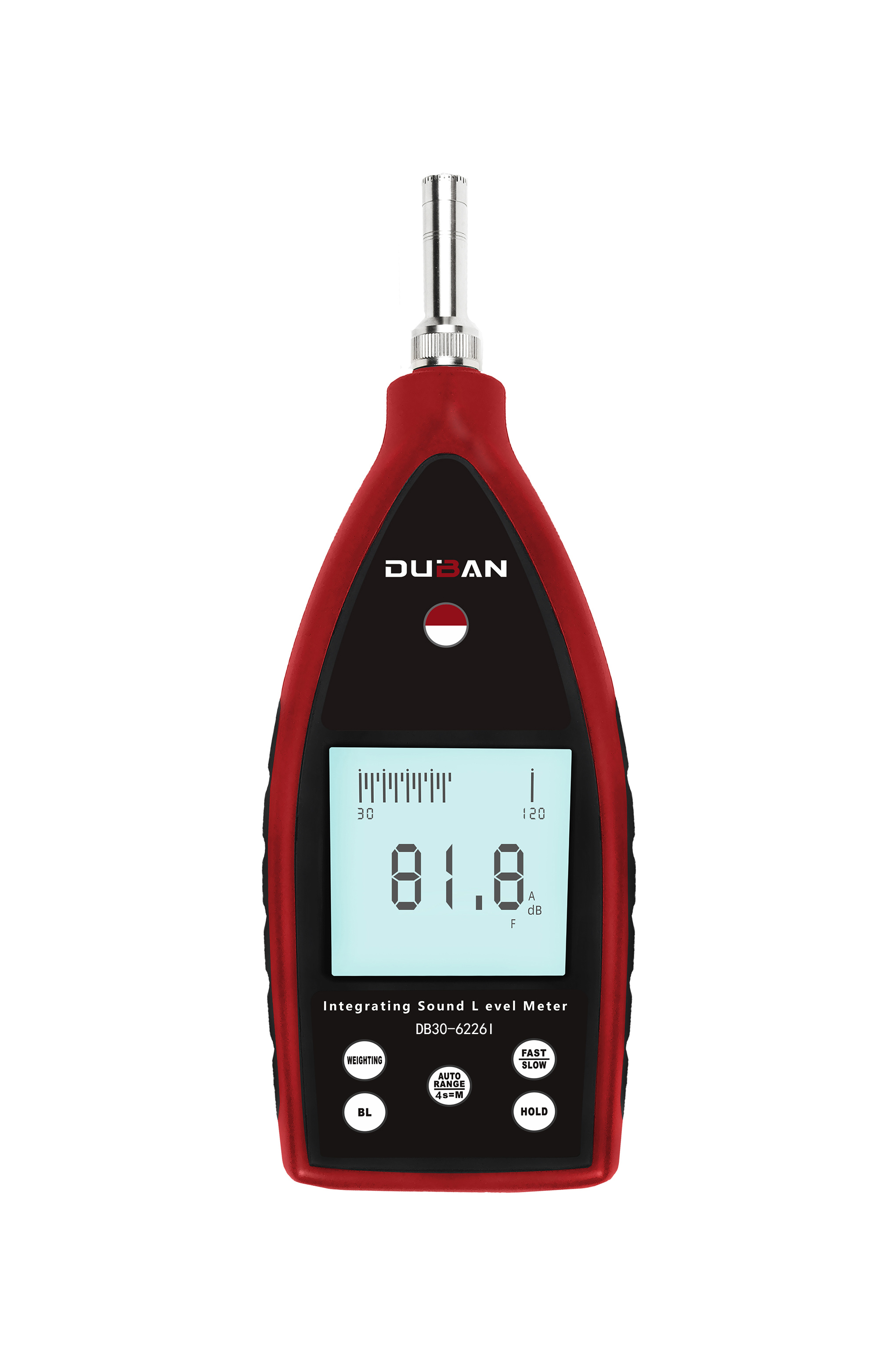
In daily life, we are often troubled by sudden noises, such as decorating drills, car horns, and loud noises from neighbors' speakers. Measuring these brief yet intense noises is preciselyPulse sound level meterTheir expertise. It is different from ordinary noise meters and can accurately capture the instantaneous peak of noise, making it a scientific tool for rights protection and management.
Its main applications are extensive:
Community Rights Protection and Evidence Collection:The measurement data of sudden noise from decoration, square dancing, KTV, etc. can serve as effective evidence for complaints to property management or environmental protection departments.
Assessment of Traffic and Industrial Noise:Used to monitor the pulse sound generated by honking, construction pile driving, factory stamping, etc., and evaluate their impact on the living environment.
Product noise testing:Check whether the pulse noise generated by anti-theft alarms, wall breaking machines and other electrical appliances meets the standard.
To ensure accurate and reliable measurement, the following points must be noted during testing:
Instrument calibration is key:Before measurement, it is necessary to calibrate the equipment using an acoustic calibrator, which is the cornerstone of accurate data.
The measurement location should be scientific:The microphone should be kept away from the human body and reflective surface, pointing towards the sound source, usually at a height of 1.2 to 1.5 meters above the ground (human ear height). When using outdoors, be sure to wear a windproof cover for the microphone to avoid wind noise interference.
-
The setting and operation must be standardized:
Correct gear selection:When measuring pulse noise, the main use should beC Calculation RightsandPeak "orImpulse "Gear, so as to truly reflect the impact of noise.Consider background noise:Measure the background noise of the environment before measurement. If the difference between the pulse sound and the background noise is less than 10 decibels, the measurement results need to be corrected or even invalidated.
Multiple sampling records:Pulse noise is constantly changing and requires multiple measurements to record its peak value and obtain representative results.