-
E-mail
grt_salea@163.com
-
Phone
13792870018
-
Address
Wanke Tiandi, Xinli Street, Dongli District
Glite (Tianjin) Technology Co., Ltd
Maintenance and upkeep of the open mill: key to ensuring efficient operation of the equipment
Date: 2025-07-27Read: 0
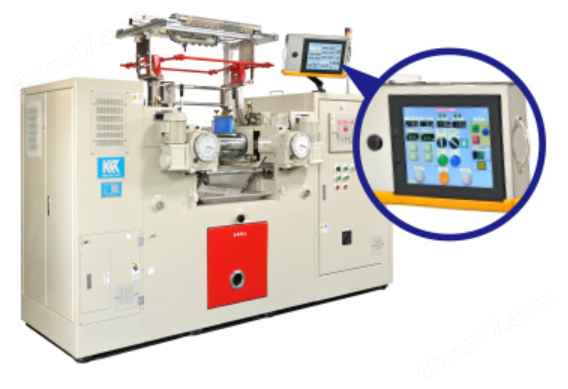
The open mill is an important equipment commonly used in the rubber processing industry, widely used in processes such as rubber mixing, plasticization, and vulcanization. As a mechanical equipment operating under high load, the maintenance and upkeep of the equipment directly affect its service life and production efficiency. Reasonable maintenance measures can not only improve the operational stability of equipment, but also effectively reduce the occurrence rate of failures and production downtime. This article will provide a detailed introduction to the daily maintenance and upkeep of equipment, as well as how to ensure its long-term stable operation through meticulous maintenance.
1、 Basic structure and working principle of equipment
The open mill consists of two large parallel rollers, usually driven by an electric motor, to achieve plasticization and mixing of rubber by adjusting the speed and clearance of the rollers. The working principle of the equipment is relatively simple, but due to high-speed operation and high load, the maintenance requirements for the equipment are relatively high.
2、 Daily inspection and maintenance of the open mill
1. Cleaning work: Cleaning is an important part of equipment maintenance. After each production, the surface of the roller, feeding port, and discharging port should be cleaned to ensure that rubber residue does not affect subsequent work. When cleaning, a soft cloth should be used to wipe and avoid scratching the surface of the roller with hard objects. In addition, regularly clean the work area around the equipment to keep it free of debris accumulation and ensure the safety of operators.
2. Lubrication and maintenance: The lubrication system of the equipment is the key to ensuring its smooth operation. Lubricating oil can reduce friction between mechanical components and extend the service life of equipment. Usually, each bearing and gear of the equipment needs to be regularly lubricated to ensure sufficient and clean lubricating oil. Check the oil level and quality of the lubricating oil once a week, and replace the oil if necessary. Especially in high-temperature working environments, it is necessary to regularly replace lubricating oil to prevent component wear caused by oil quality deterioration.
3. Check the electrical system: Electrical system failures may cause equipment shutdown, so it is important to regularly check the connections, joints, and status of electrical components in the electrical circuit. Check the working condition of the motor to ensure stable voltage and avoid electrical faults that may affect production. At the same time, it is necessary to regularly inspect the grounding system to ensure the safety of the equipment.
4. Check the clearance and parallelism of the rollers: Adjusting the clearance of the rollers is one of the key steps in equipment maintenance. Regularly check the size of the roller gap to ensure it meets production requirements. If uneven or excessive gaps are found between the rollers, they should be adjusted in a timely manner. In addition, it is necessary to check the parallelism of the rollers to ensure the working effect of the equipment. The wear level of the roller should also be checked regularly. If abnormal wear is found, replacement or repair should be considered.
5. Check the transmission system and gears: The transmission system of the equipment consists of electric motors, couplings, gears, and other parts, and it is crucial to maintain its normal operation. Regularly inspect all components of the transmission system to ensure there is no looseness or wear. Especially for the gear part, regular lubrication is necessary to avoid a decrease in transmission efficiency due to excessive wear.
3、 Regular maintenance of the open mill
1. Comprehensive inspection: Conduct a comprehensive inspection of the equipment once a month, check the fastening of all components, clean the cooling system of the equipment, and check for leaks in the hydraulic system and oil pipes. At this point, all operating parts of the equipment need to be inspected one by one to promptly identify potential problems and avoid major equipment damage caused by minor malfunctions.
2. Regular calibration: The equipment requires high precision, especially for gap adjustment, speed control, and other aspects. After long-term use, the accuracy of the equipment may deviate, so regular calibration of the equipment should be carried out to ensure that its operation meets production requirements.
3. Equipment overhaul: Conduct a major overhaul every six months or one year based on the frequency of use and equipment operation. Major repairs include cleaning the motor, inspecting electrical components, updating damaged parts, and replacing parts that are vulnerable to high temperatures. During major repairs, a comprehensive equipment inspection should be conducted to ensure that all components are in good working condition.
4、 Summary
The maintenance and upkeep of the open mill are the foundation for ensuring the long-term stable operation of the equipment. Regular cleaning, lubrication, inspection, and adjustment can effectively extend the service life of equipment, reduce the occurrence of failures, and improve production efficiency. During the production process, operators should strictly follow maintenance regulations, conduct regular equipment inspections, and perform necessary repairs and maintenance on the equipment. Only through continuous attention and management can we ensure the efficient operation of equipment and provide stable support for production.