-
E-mail
15765947@qq.com
-
Phone
18981947117
-
Address
No. 248 Jinfu Road, Jinniu District, Chengdu
Chengdu Ruixin Instrument Co., Ltd
Precise protection, worry free anti-corrosion - full guide for installation of anti-corrosion static pressure level gauge
Date: 2025-08-18Read: 2
In the fields of chemical, petroleum, pharmaceutical and other industries, liquid level measurement is a key link to ensure production safety and efficiency. Faced with highly corrosive media, anti-corrosion static pressure level gauges have become the primary choice due to their high reliability. But if installed improperly, even the highest quality equipment is difficult to perform effectively. This article will analyze how to achieve precise deployment of anti-corrosion static pressure level gauges from two dimensions: installation methods and precautions.
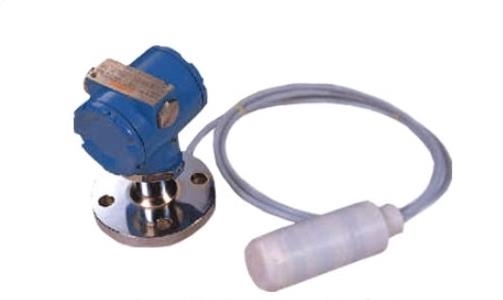
1、 Installation method: Adapt to local conditions and select scientifically
1. Vertical installation method
Suitable for open containers or atmospheric pressure tanks. Fix the liquid level gauge vertically on the side wall or top of the tank, ensuring that the pressure measuring port is aligned vertically with the liquid level to avoid medium residue or bubble interference. Anti corrosion liquid level gauges should be made of corrosion-resistant materials such as 316L stainless steel, PTFE, or Hastelloy. During installation, it is necessary to check whether the sealing components are compatible with the medium to prevent chemical corrosion and leakage.
2. Flange connection method
For high-pressure or sealed containers, it is necessary to connect them to the tank body through flanges. Choose anti-corrosion flanges (such as fluorine lined flanges) that match the material of the tank body, and ensure that the bolt tightening force is uniform to avoid stress concentration causing seal failure. Before installation, it is necessary to clean the impurities on the flange surface and apply corrosion-resistant sealant to ensure double sealing.
3. Side mounted installation
Suitable for tanks with limited space, the liquid level gauge is horizontally inserted into the tank through a side mounted interface. At this time, attention should be paid to the installation angle to ensure that the pressure measuring film is parallel to the liquid surface, and at the same time, anti wave plates should be installed to reduce the impact of medium fluctuations on the measurement.
2、 Attention: Details determine success or failure
1. Media compatibility verification
Before installation, it is necessary to confirm that the material of the liquid level gauge matches the chemical properties of the medium. For example, Hastelloy alloy should be used for concentrated sulfuric acid, while PTFE material is suitable for strong alkali environments.
2. Environmental condition control
Avoid environments with high temperatures, strong vibrations, or direct sunlight, and install insulation layers or sunshades if necessary. If used outdoors, IP68 protection level equipment should be selected to prevent rainwater from entering.
3. Regular maintenance and calibration
Establish a periodic inspection system, clean up blockages in pressure measuring holes, and verify sensor zero and range drift. It is recommended to perform professional calibration every 6 months to ensure measurement accuracy.
The installation of anti-corrosion static pressure level gauges is a "detail art", from selection to debugging, every step needs to be based on process standards and safety regulations. Only in this way can the equipment operate stably under harsh working conditions and build a "liquid level defense line" for safe production for enterprises.