-
E-mail
15765947@qq.com
-
Phone
18981947117
-
Address
No. 248 Jinfu Road, Jinniu District, Chengdu
Chengdu Ruixin Instrument Co., Ltd
Intelligent sentinel for aquaculture water quality management using blue-green algae analyzer
Date: 2025-07-27Read: 1
In the aquaculture industry, blue-green algae outbreaks are the number one hidden danger threatening the efficiency of aquaculture and ecological security. These types of algae can directly cause suffocation and death of fish or chronic poisoning by releasing neurotoxins such as microcystin toxins. At the same time, their death decomposition consumes dissolved oxygen in the water, leading to large-scale pond overturning accidents. The blue-green algae analyzer, with its optical sensing and intelligent algorithm technology, has become a core tool for water quality management in aquaculture, providing farmers with a full chain solution from real-time monitoring to risk warning.
1. Precise monitoring: solving the problem of blue-green algae detection
Traditional detection methods rely on manual sampling and laboratory cultivation, which can take up to 24-72 hours and are difficult to capture the rapid proliferation characteristics of blue-green algae. The blue-green algae analyzer uses fluorescence spectroscopy technology to excite phycobiliproteins by emitting blue light of a specific wavelength, capturing their 620nm fluorescence signal and achieving real-time monitoring every 30 seconds. For example, a certain shrimp farming farm successfully issued a warning within 6 hours when the concentration of blue-green algae increased from 100000 cells/mL to 300000 cells/mL using a certain brand of analyzer, taking measures 54 hours earlier than traditional methods and avoiding economic losses caused by shrimp death due to hypoxia.
2. Intelligent warning: building a risk prevention and control system
The built-in AI algorithm of the device can establish a dynamic threshold model by combining parameters such as water temperature and pH value. When the concentration of blue-green algae exceeds the set value, the system automatically triggers a three-level warning mechanism: the first level warning notifies farmers through SMS, the second level warning is linked to the activation of oxygenation equipment, and the third level warning activates the emergency water change program. In the practice of a 10000 acre crab pond in Jiangsu, the system accurately warned 12 times during the outbreak of blue-green algae in the summer of 2024, increasing the survival rate of river crabs to 92%, which is 18 percentage points higher than traditional management methods.
3. Data driven: Optimizing Livestock Management Decisions
The IoT module equipped on the analyzer can upload data in real-time to the cloud platform, generating daily variation curves, weekly trend charts, and annual outbreak cycle reports of blue-green algae concentration. A large aquaculture enterprise found through analysis of 3-year historical data that the outbreak of blue-green algae in its aquaculture ponds was significantly positively correlated with the amount of feed fed. After adjusting the feeding strategy accordingly, the feed utilization rate increased by 15%, while reducing the use of chemical algae removal agents by 40%. In addition, the device supports multi parameter linkage analysis, which can synchronously monitor indicators such as chlorophyll a and dissolved oxygen, providing scientific basis for precise regulation of water quality.
4. Technological evolution: from single point monitoring to global coverage
The new generation blue-green algae analyzer has achieved miniaturization and integration development. The handheld device launched by a certain brand weighs only 0.5kg and is equipped with a rechargeable lithium battery. It supports continuous operation for 72 hours and is suitable for pond inspection and emergency response. The fixed monitoring station adopts solar power supply and 4G/5G dual-mode communication, which can cover a breeding area with a radius of 5 kilometers and form a three-dimensional monitoring network. At a marine ranch in Shandong, a monitoring system consisting of 6 fixed stations and 12 buoy sensors successfully improved the accuracy of blue-green algae outbreak prediction to 98%.
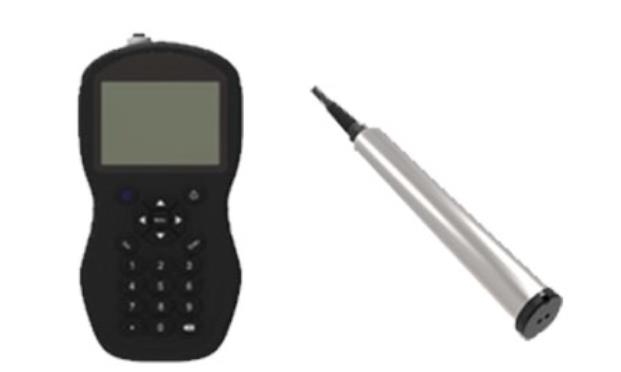
From laboratory instruments to standard equipment in aquaculture farms, blue-green algae analyzers are driving the transformation of aquaculture towards intelligence and precision. With the application of multispectral fusion technology and edge computing, the future equipment will have advanced functions such as automatic identification of algae species and prediction of outbreak time, providing stronger technical support for ensuring the safety of aquatic products and ecological sustainable development.