-
E-mail
15765947@qq.com
-
Phone
18981947117
-
Address
No. 248 Jinfu Road, Jinniu District, Chengdu
Chengdu Ruixin Instrument Co., Ltd
Guidelines for Accurate Measurement and Standardized Operation of Portable Fluorescence Dissolved Oxygen Analyzer
Date: 2025-09-20Read: 2
The portable fluorescence method dissolved oxygen meter is a new type of dissolved oxygen measurement device based on the principle of fluorescence quenching. Due to its advantages such as no need to replace membranes and electrolytes, no need for preheating and polarization, and simple maintenance, it has gradually replaced the traditional Clark electrode method and is widely used in environmental monitoring, aquaculture, sewage treatment, and scientific research fields.Mastering the correct usage method is the key to obtaining accurate and reliable data.
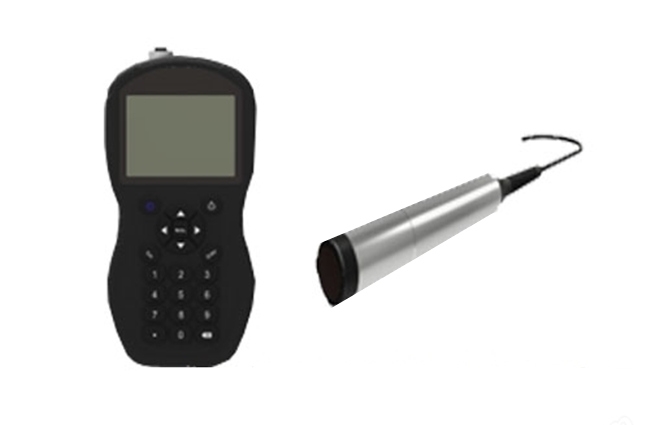
1、 Preparation before measurement
1. Equipment inspection: Confirm that the host has sufficient power, and that the fluorescent sensing film inside the probe (sensor) cap is intact, scratch free, and free of contamination. Check if the connection interface between the probe and the host is clean and dry.
2. Calibration: Although the fluorescence dissolved oxygen analyzer does not require daily polarization, it still needs to be calibrated regularly to ensure accuracy.
① Zero point calibration: Usually does not require the user to perform it, and the instrument is set at the factory or automatically calibrated in the air.
② Full point calibration (atmospheric pressure calibration): This is the most crucial step. Place the probe in clean and dry air, and select the "Calibration" function in the main menu. The instrument will automatically read the current ambient temperature and pressure, and calculate the theoretical saturated dissolved oxygen value for calibration. Ensure that the probe is not obstructed and the ambient air is well ventilated during the calibration process.
2、 On site measurement steps of portable fluorescence dissolved oxygen analyzer
1. On site preparation: After arriving at the measurement point, turn on the instrument power and let it stabilize for a moment. If there is a significant difference between the ambient temperature and the calibration temperature, the probe can be briefly placed in the air to allow the temperature sensor to adapt to the ambient temperature.
2. Sample measurement:
① Gently immerse the probe into the water sample to be tested, ensuring that the front end of the probe is completely submerged below the liquid level.
② Keeping the probe stable in the water and gently shaking or slowly stirring the probe to ensure continuous flow of the water sample on the sensing membrane surface is the key to obtaining accurate and stable readings. Avoid vigorous stirring to prevent the formation of bubbles.
③ Wait for the reading to stabilize. Fluorescence method responds quickly and can usually display stable values within a few tens of seconds.
④ Record data. The instrument will simultaneously display dissolved oxygen concentration (mg/L or ppm), saturation (%), and water temperature (℃).
3. Precautions for special water samples:
① For low-speed or stationary water bodies, it is necessary to create water flow by shaking the probe, otherwise the measured values will be severely underestimated due to the depletion of oxygen on the membrane surface.
② When measuring seawater or high salinity water samples, it is necessary to input the corresponding salinity value into the instrument for compensation in order to obtain accurate results.
3、 Maintenance after measurement
1. Clean the probe: After the measurement is completed, immediately rinse the sensing membrane surface of the probe with purified water to remove residual salt, organic matter, or particulate matter. Do not use hard objects to wipe the fluorescent film.
2. Proper storage:
① Gently shake off excess water droplets and use a soft, lint free cloth to absorb the water stains.
② Short term storage: Place the probe head upwards in the matching protective box or dry environment.
③ Long term storage: To ensure the lifespan of the fluorescent film, it is recommended to remove the probe protective cap, let it dry naturally, and then gently cover it back (without tightening).
3. Data management: Export measurement data to the computer or record it in a timely manner, and clean up the host memory for future use.
Advantages and Tips:
1. Advantages: Fluorescence method has no consumables, almost maintenance free, fast response, and is not affected by chemical substances such as flow rate and hydrogen sulfide interference.
2. Tip: Avoid exposing the fluorescent film to organic solvents, colloids, or oily substances to prevent contamination or damage to the film layer. Regularly check the calibration status according to the instructions.
By following this operating procedure, you will be able to fully utilize the technical advantages of the portable fluorescence dissolved oxygen analyzer to efficiently and accurately complete on-site detection of dissolved oxygen in various types of water bodies.