-
E-mail
luolinlin@jxzdkz.com
-
Phone
13439158498
-
Address
02, 1st to 3rd floors, Building 38, No. 2 Jingyuan North Street, Beijing Economic and Technological Development Zone (Beijing Pilot Free Trade Zone High end Industrial Zone Cluster)
Beijing Jingxiang Environmental Technology Co., Ltd
Sharing of Scientific Regular Maintenance System and Methods for Online Nitrate Nitrogen Monitoring Instruments
Date: 2025-11-17Read: 0
The online nitrate nitrogen monitoring device is a core equipment for water environment monitoring, sewage treatment, and drinking water safety. It achieves real-time and continuous monitoring of NO-N concentration in water through UV spectroscopy (220/275nm dual wavelength) or ion selective electrode method. However, in long-term operation, it is susceptible to optical window contamination, reagent deterioration, pipeline blockage, or sensor drift, leading to data distortion or even false alarms. Establishing a scientific regular maintenance system for online nitrate nitrogen monitoring devices is the key to ensuring accurate monitoring and system stability.
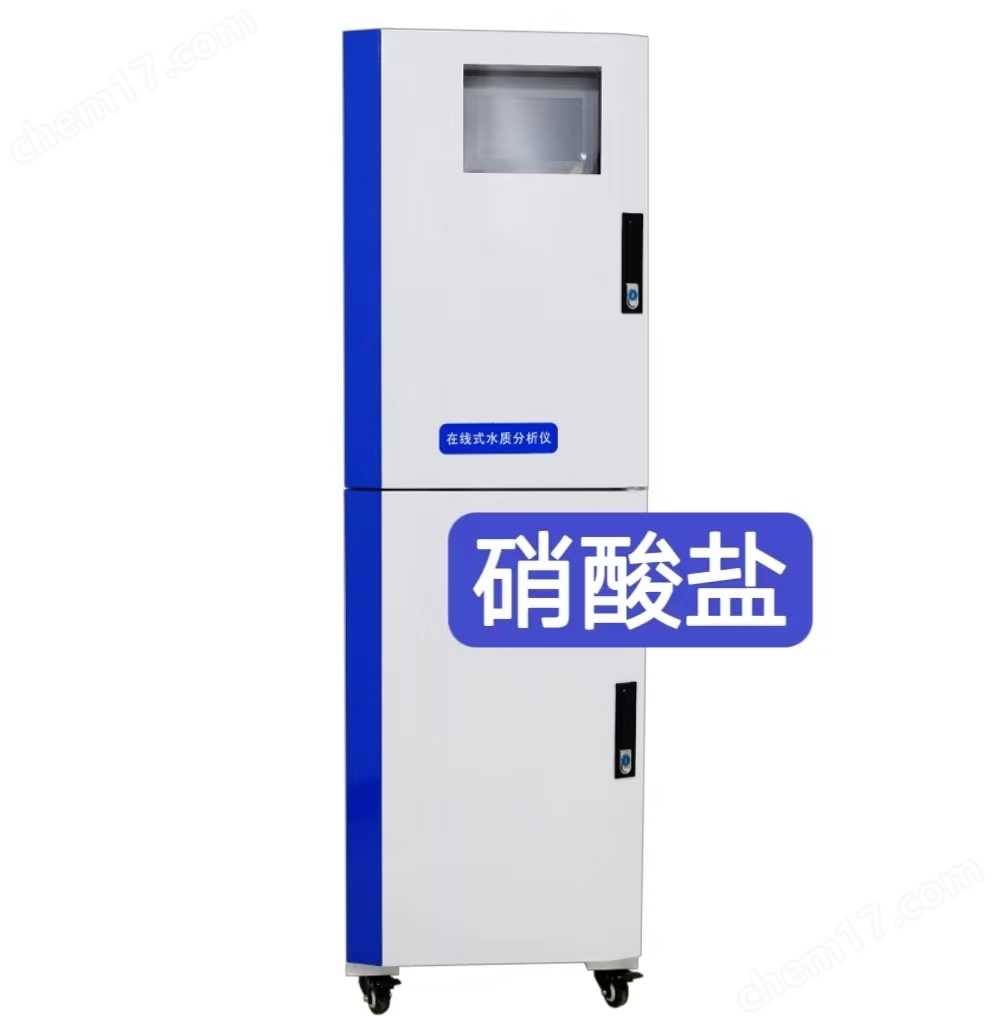
1、 Daily inspection and basic cleaning (daily/weekly)
Visual inspection: Confirm that the instrument's operating status light is normal and there are no alarm prompts;
Clean the sampling unit: Rinse the inlet filter with a soft bristled brush or clean water to prevent algae and sediment from clogging;
Wipe the optical window (UV method): After turning off the power, use a lint free cloth dipped in deionized water or diluted alcohol to gently wipe the quartz colorimetric cell to avoid fingerprints or stains interfering with the absorbance;
Check the remaining amount of reagents (if using chemical methods): Ensure that the color reagent and buffer have not expired and there are no crystals.
2、 Weekly/Monthly Routine Maintenance
Calibration verification:
Use standard nitrate nitrogen solution (such as 10mg/L) for single or multi-point calibration;
The UV method needs to simultaneously verify whether the organic compensation at 275nm is accurate;
Cleaning flow system:
Start the automatic cleaning program or manually rinse the pipeline with 0.1MHCl for 10 minutes to dissolve carbonate deposits;
Check whether the peristaltic pump tube is aging and cracking, and replace it if necessary (recommended every 3 months);
Check the discharge of waste liquid: Ensure that the waste liquid tank is not full and there is no risk of backflow in the pipeline.
3、 Quarterly deep maintenance
Sensor maintenance (electrode method):
Clean the ion selective electrode sensitive membrane and activate it with a specialized cleaning solution;
Replace the filling fluid and reference electrolyte, and check if the liquid network is unobstructed;
Light source and detector inspection (UV method):
Check the service life of deuterium lamps (usually 1000-2000 hours) and issue a warning to replace them if they exceed the deadline;
Verify the stability of the optical path using standard filters;
Sealing and joint inspection: Replace the aging O-ring, tighten the quick connect joint to prevent leakage and introduction of bubbles.
4、 Annual professional verification and system optimization
Metrological verification: Entrust qualified institutions to conduct full range calibration and issue CMA certification reports;
Software upgrade: Updating firmware to fix algorithm defects or enhance anti-interference capabilities;
Environmental adaptability assessment: Check whether the temperature control, lightning protection, and moisture prevention functions of the outdoor protective box are effective.