-
E-mail
18083798558@163.com
-
Phone
18101455820
-
Address
Liubao Industrial Park, Yangzhou City, Jiangsu Province
Product Categories
Jiangsu Ruyan Busbar Manufacturing Co., Ltd



Worry free after-sales service for air type busbar trunking
NegotiableUpdate on 12/19
- Model
- Nature of the Manufacturer
- Producers
- Product Category
- Place of Origin
Overview
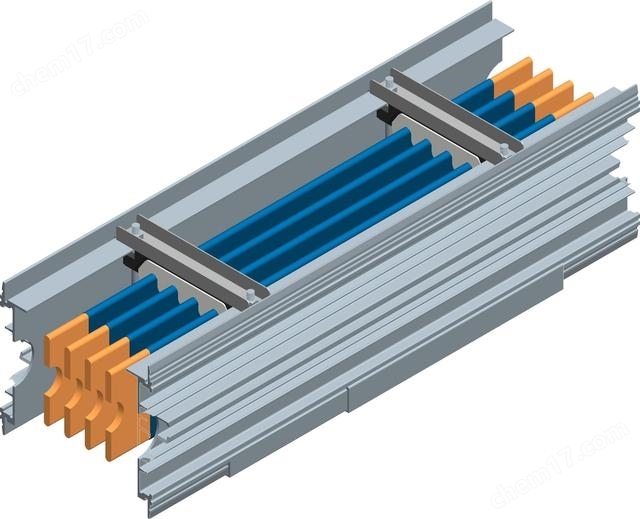
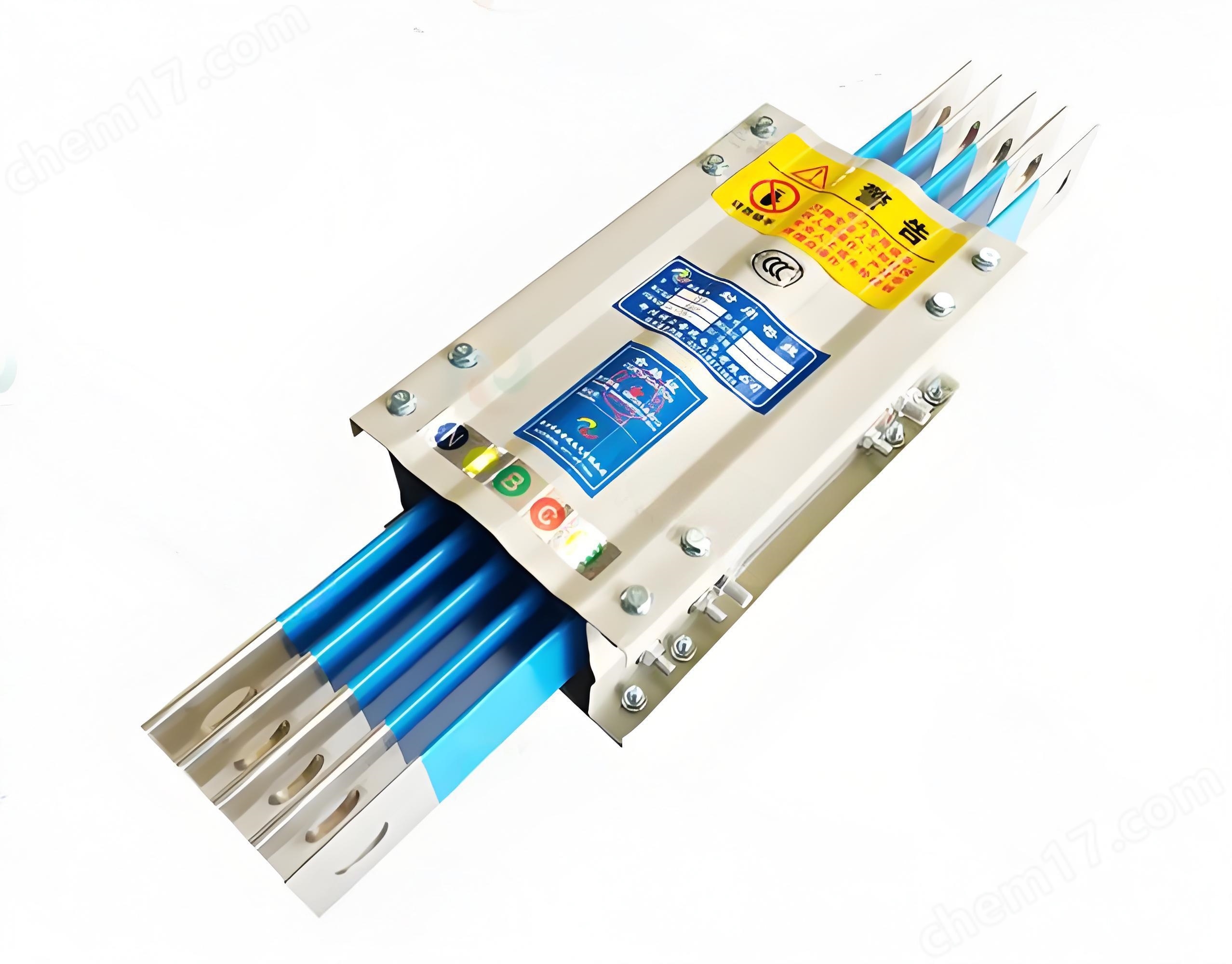
Air type bus duct after-sales worry free is a metal channel used for power transmission and distribution systems, consisting of connectors, insulation supports, and conductors. The conductor is made of high conductivity aluminum alloy or copper rod, which is fixed on the insulation support through special processing technology and arranged in a straight line. Air type bus ducts can be cut as needed to adapt to different electrical loads and layout requirements.
Product Details
Worry free after-sales service for air type busbar trunkingIt is a metal channel used for power transmission and distribution systems, consisting of connectors, insulation supports, and conductors. The conductor is made of high conductivity aluminum alloy or copper rod, which is fixed on the insulation support through special processing technology and arranged in a straight line. Air type bus ducts can be cut as needed to adapt to different electrical loads and layout requirements.
What are the structural characteristics of air type bus ducts? Air type bus ducts are usually composed of conductors, insulation materials, and enclosures. Its conductor is generally made of aluminum or copper material, which has good conductivity. Insulation materials ensure that current does not leak, and the casing can protect internal components from external environmental influences. This structural design enables the air type bus duct to operate stably in harsh environments such as high temperature and high humidity.
How to determine the rated current of air type bus duct? Rated current is one of the key parameters when selecting bus ducts. Normally, the rated current of the bus duct should be determined based on the actual demand of the load. We need to consider future load growth and choose an appropriate rated current to avoid safety hazards caused by load exceeding. The rated current of the bus duct may vary depending on the usage environment.
Furthermore, how to choose the appropriate length and layout of the bus duct? The installation position and length of the air type bus duct directly affect the operational efficiency of the system. Generally speaking, the layout of bus ducts should minimize twists and maintain straight channels to reduce resistance and power consumption. The length of the bus duct should be reasonably planned according to the distribution of power equipment to ensure the stability and reliability of power supply.
When choosing an air type bus duct, the insulation level cannot be ignored. Different environments require different insulation levels. For example, in humid or dusty environments, choosing high insulation level bus ducts can effectively prevent electrical faults. Understanding the specific conditions of the usage environment and selecting the appropriate insulation level are necessary steps to ensure equipment safety.
In addition to the above factors, the installation method of air type bus ducts is also important. Bus ducts can be installed through various methods such as lifting, brackets, or embedding into walls. Different installation methods have an impact on the layout and maintenance of bus ducts. Choosing the appropriate installation method can improve the service life and safety of the equipment.
The difference between air type bus duct and dense bus duct:
Air type bus ducts and dense type bus ducts are the two main types of bus ducts, and they have significant differences in structure and performance:
1) The fundamental difference lies in the different insulation methods. The busbars of the air type busbar duct are insulated by air, and then the busbars and their insulators are protected together with a metal shell. The dense busbar trunking is formed by tightly integrating each busbar with solid insulation material and then protecting it with a metal shell.
2) The different heat dissipation mechanisms directly affect their application scenarios. Air type bus ducts rely on air convection to dissipate heat, making them suitable for small-scale current supply. Dense bus ducts rely on conduction for heat dissipation, which greatly improves the heat dissipation effect compared to air insulated bus ducts, making them suitable for large-scale current supply.
3) The differences in structural design determine its performance characteristics. There is a certain gap between the bus conductors of the air type bus duct, which is conducive to the heat dissipation during the operation of the bus. The structure of dense busbar trunking is generally a "sandwich style", where the conductors are mainly wrapped with insulating materials, and several phase conductive busbars are stacked without gaps, and can be tightly attached to the outer shell.
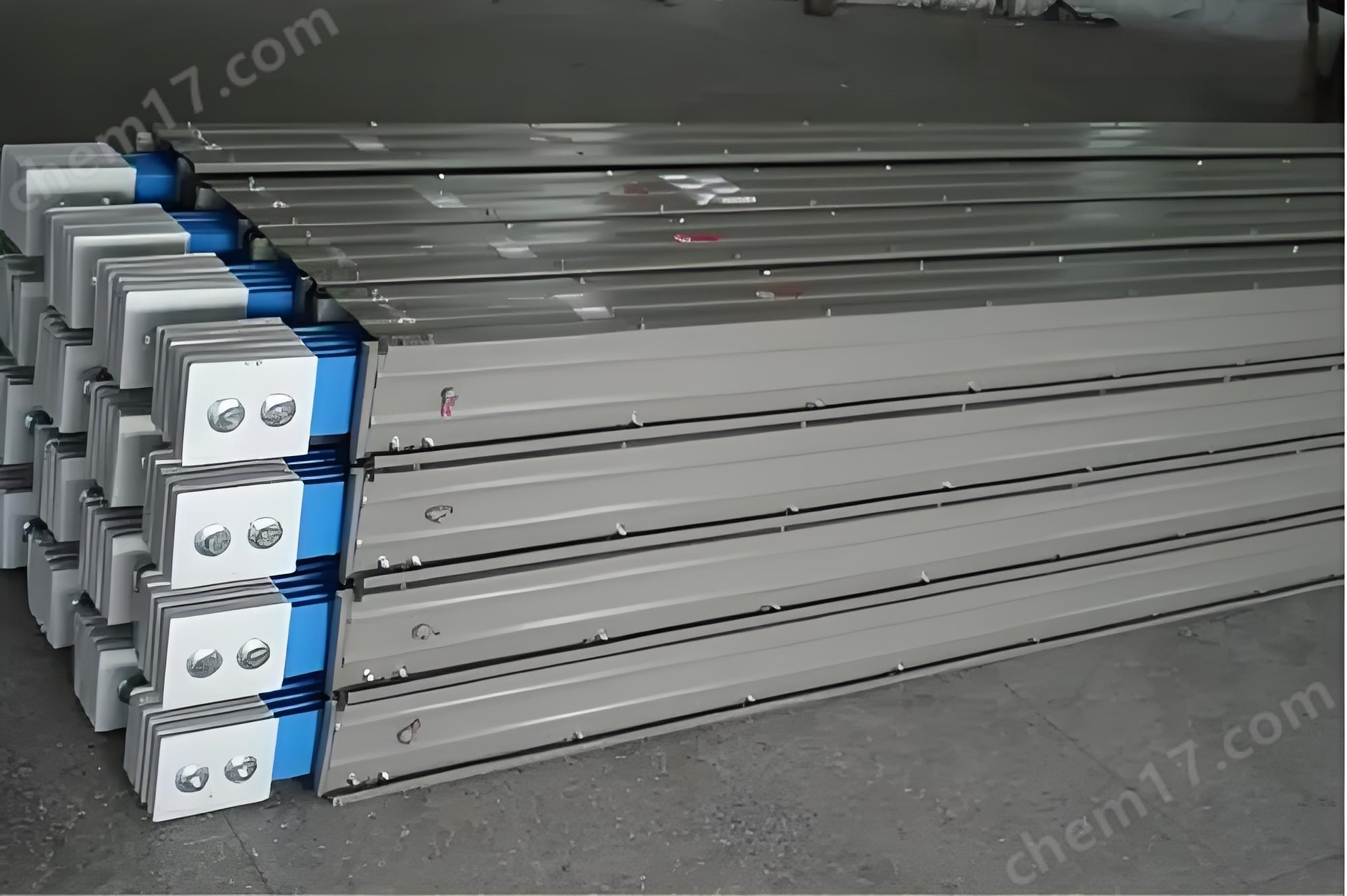
Worry free after-sales service for air type busbar trunkingInstallation and maintenance:
The installation of air type bus ducts is relatively simple, usually carried out by lifting or supporting. During the installation process, the following points should be noted:
1. Install the environment
Ensure that the installation environment is dry and well ventilated, avoiding the impact of moisture and corrosive gases on the equipment.
2. Support frame design
The design of the support frame needs to be reasonably arranged according to the weight and installation height of the bus duct to ensure its stability and safety.
3. Connection method
The connection method can be welding, bolt connection, etc., and the firmness of the connection should be ensured to avoid loosening caused by vibration or other factors.
4. Regular inspections
Regularly inspect and maintain the bus duct to ensure its good operating condition, and promptly address any issues found.
Similar Product Recommend


