-
E-mail
sales@vicometer.com
-
Phone
15951151990
-
Address
Building 9, Optoelectronic Industrial Park, Wuling South Road, Hailing District, Taizhou City, Jiangsu Province
Product Categories
Weike Meituo Technology (Jiangsu) Co., Ltd
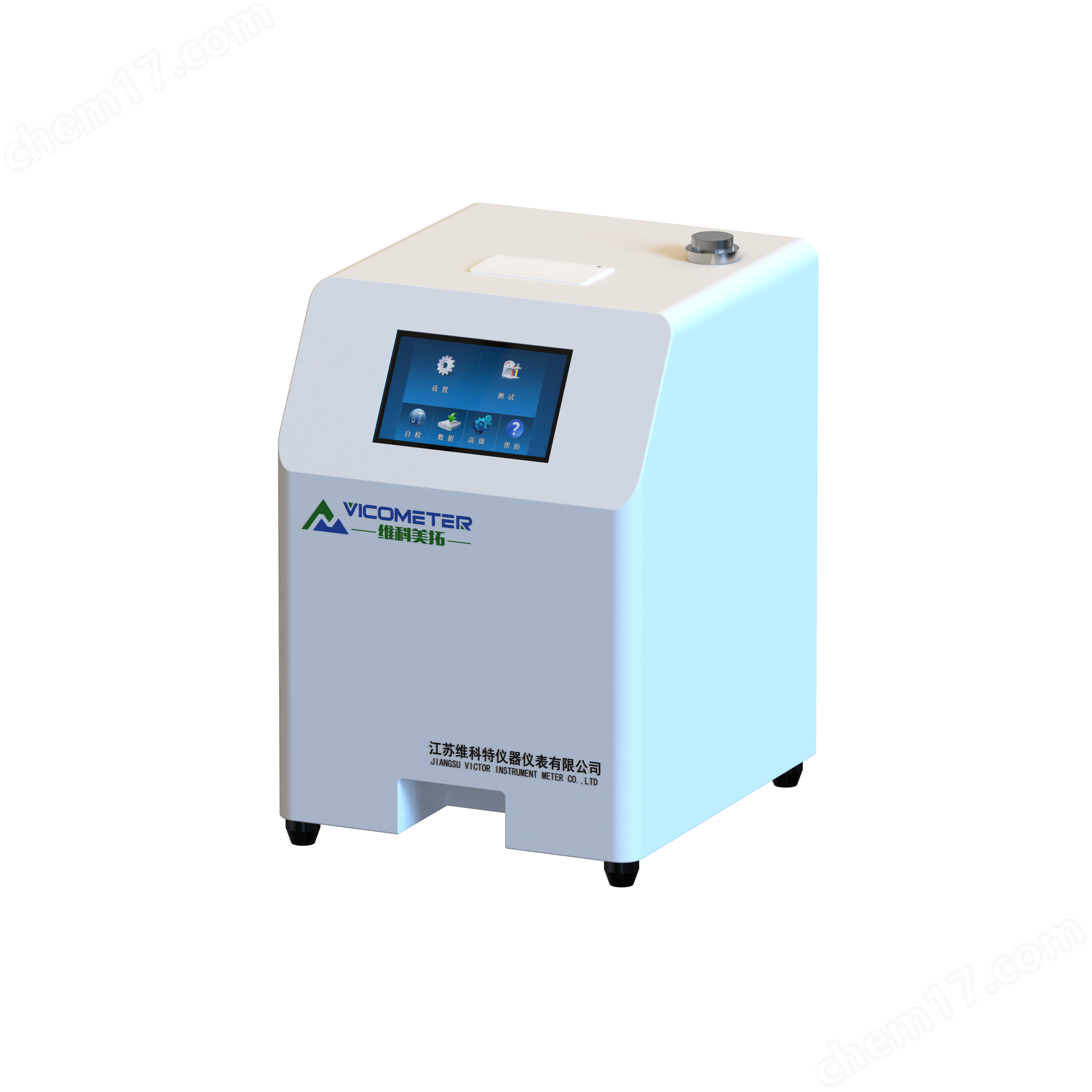
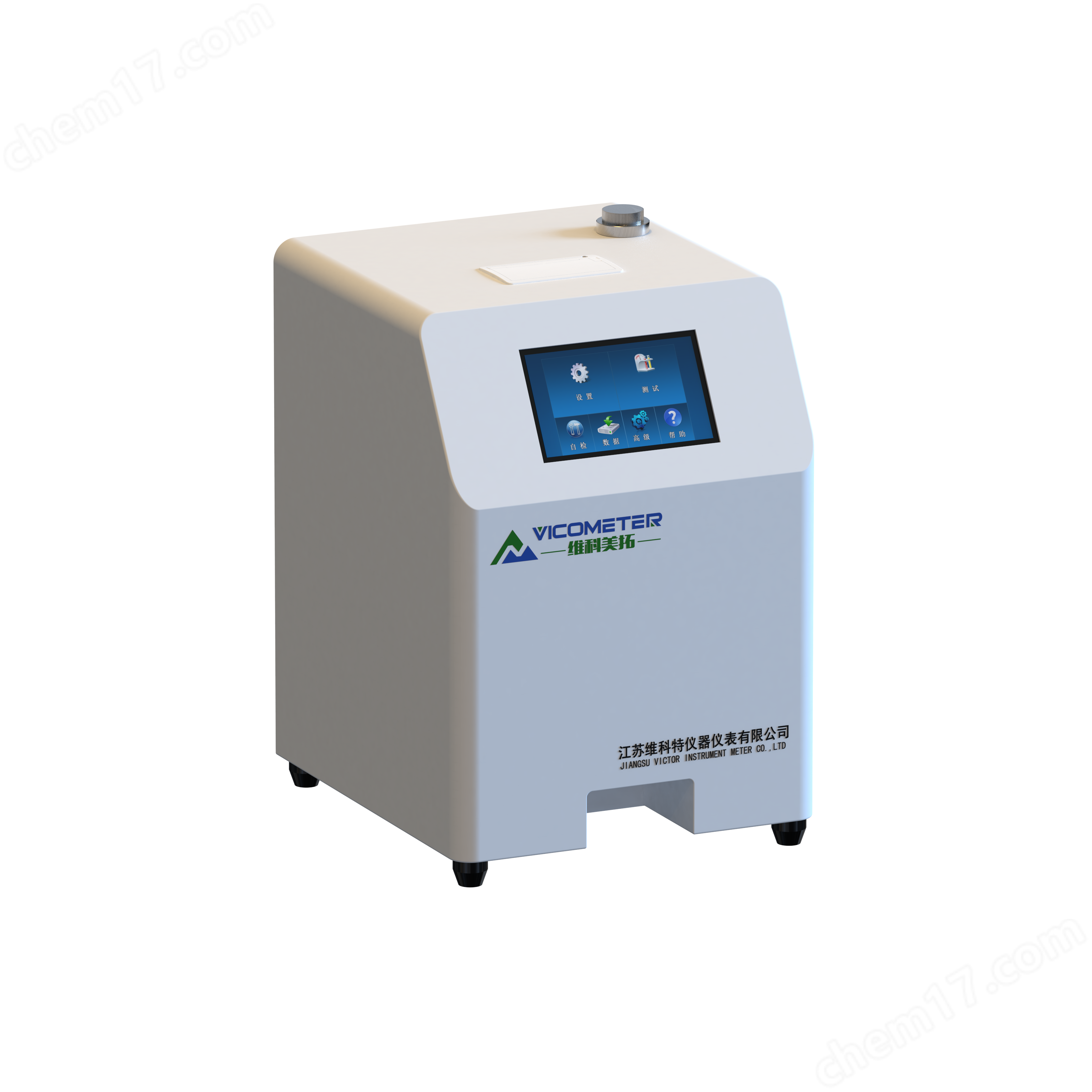
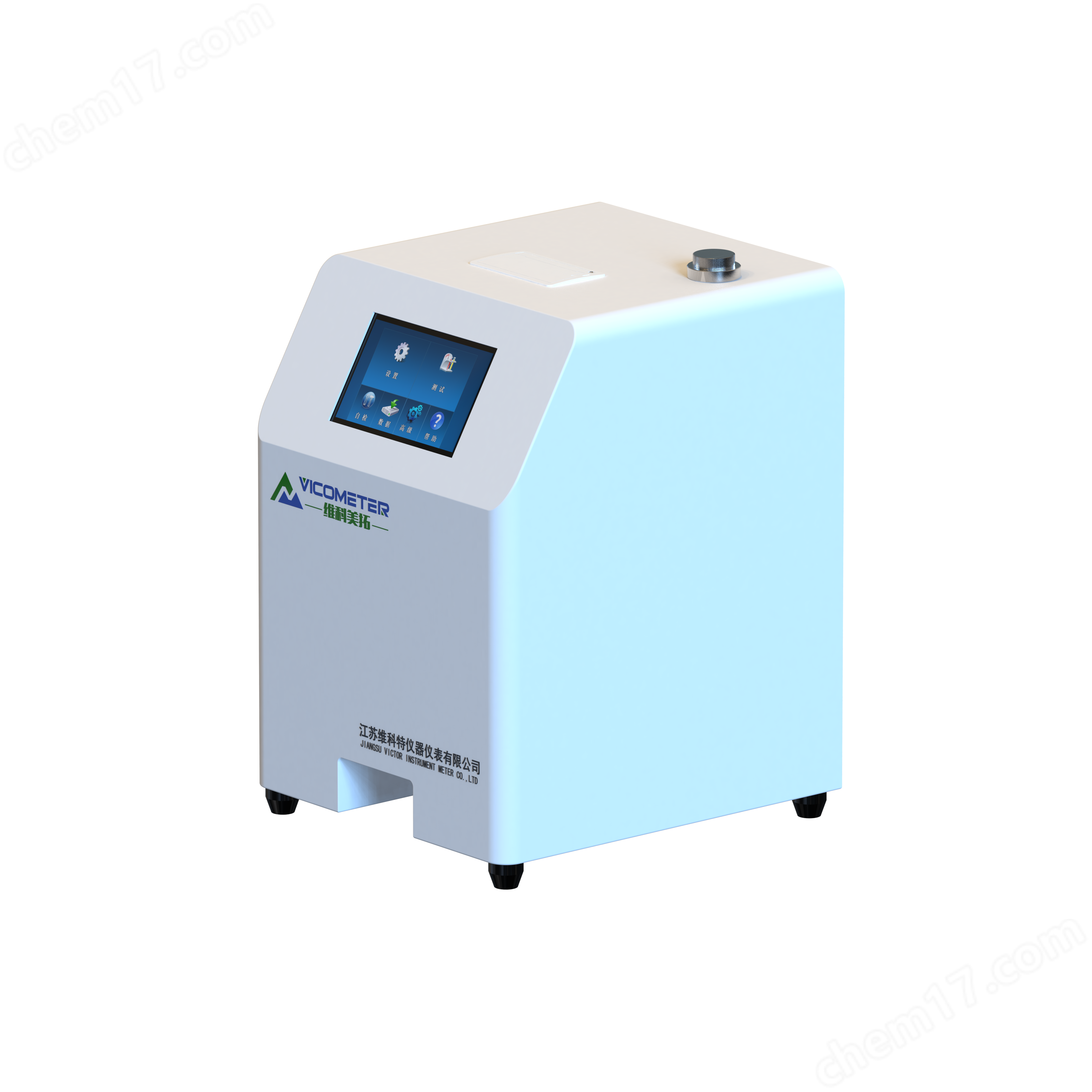
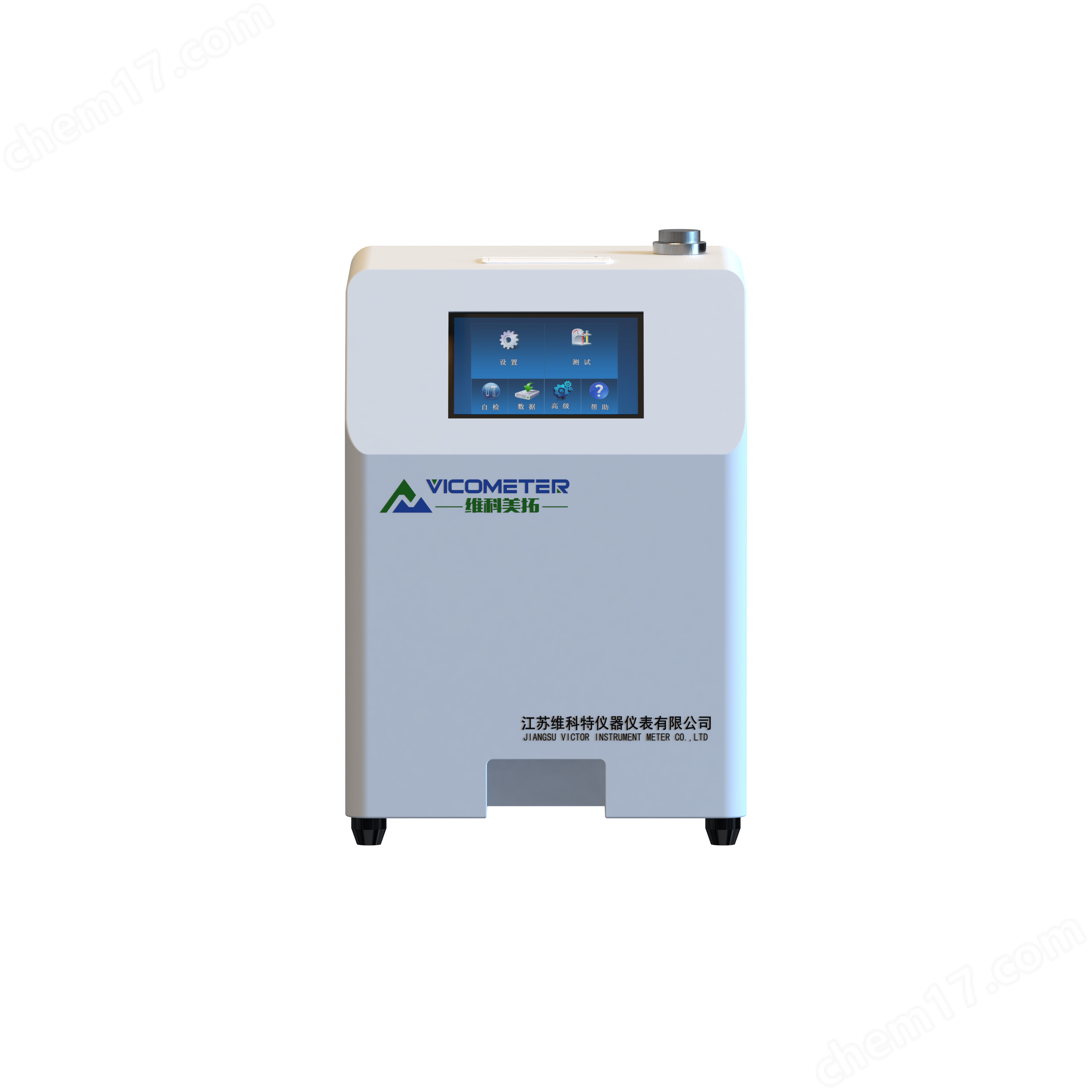
WKT-NQ6 automatic pour point analyzer
NegotiableUpdate on 01/11
- Model
- Nature of the Manufacturer
- Producers
- Product Category
- Place of Origin
Overview
The WKT-NQ6 automatic pour point analyzer from Weike Meituo adopts modern high-tech microelectronics control technology, combined with semiconductor refrigeration technology, using a microcontroller as the system control core, LCD display, Chinese human-machine dialogue, guided operation, and fully automated measurement process (automatic cooling and temperature control, automatic detection) to achieve automated analysis of samples. Its characteristics are fast testing speed, accurate results, good repeatability, stability and reliability, easy operation, and developed in combination with modern new process methods.
Product Details
Product Overview
Weike Meituo WKT-NQ6 automatic pour point measuring instrumentAdopting modern high-tech microelectronics control technology, combined with semiconductor refrigeration technology, using a microcontroller as the system control core, LCD display, Chinese human-machine dialogue, guided operation, the measurement process is fully automated (automatic cooling and temperature control, automatic detection), achieving automated analysis of the sample. Its characteristics are fast testing speed, accurate results, good repeatability, stability and reliability, easy operation, and developed in combination with modern new process methods. The entire instrument is designed with advanced technology, reasonable structure, simple operation, and is safe and reliable. It is suitable for measuring the pour point and pour point of light oil in refineries, power plants, railways, shipping companies, oil companies, and oil commercial sectors. The measurement results comply with the national standards GB/T510 "Determination of pour point of petroleum products" and GB/T3535-2008 "Determination of pour point of petroleum products".
Application field
This instrument is suitable for transformer factories, power supply departments, refineries, railways, oil storage stations, and commercial departmentsPetroleum product pour pointThe pour point analyzer is a necessary instrument for rapid analysis for monitoring and control. The measurement results comply with the GB510-83 method specification.
Technical Specifications
| Product Model | WKT-NQ6 |
| accuracy | ±0.1℃ |
| resolution | 0.01℃ |
| refrigeration temperature | -70℃ |
| cooling water pressure | 0.5kg/cm² |
| Sample dosage | 20ml each time |
| Working environment temperature | 5~40℃ |
| Environmental humidity for use | ≤85% |
| Detection method | High sensitivity optical detection |
| Cooling method | Specialized high-power semiconductor cooler |
| Cooling temperature difference | 90 degrees |
| refrigeration power | 500W |
| monitor | 7-inch high-definition true color capacitive touch screen |
| display resolution | 1024*600 |
| printer | Thermal wide line printer |
| data storage | 600 sets of data |
| cooling water requirements | Pressure 4.9 × 101~4.9 × 10⁵Pa Flow rate: 1.5 liters/minute |
| Data transmission (optional) | The sample measurement results can be uploaded wirelessly to the VICOMETER Oil Chemistry Laboratory Intelligent Management System, thereby achieving Centralized and unified management of measurement data. Instruments can be remotely managed through the VICOMETER Oil Chemistry Laboratory Intelligent Management System Cheng wireless direction control. And it can be flexibly networked with other laboratory instruments. |
| Data transmission distance (optional) | 15km |
| power supply voltage | ~220V ± 22V 50Hz ± 2.5Hz ≤ 250VA Maximum power 350W |
| weight | About 12kg |
Instrument features:
1. Chinese LCD display, controlled by microprocessor, dynamically simulates working status with graphics;
2. Using semiconductor refrigeration technology, the measurement process is automatically cooled, temperature controlled, and detected;
3. Automatic measurement of oil injection, testing, oil discharge, and printing completed;
4. Suitable for light oils with pour points ranging from 10 ℃ to -60 ℃;
5. PID composite temperature control technology, precise temperature control
6. The cooling temperature difference can reach 90 degrees Celsius, which is suitable for the detection of most samples
Similar Product Recommend