- Phone
-
Address
No. 178 Linsheng Road, Industrial South Zone, Tinglin Town, Jinshan District, Shanghai
Product Categories
Shanghai Gaotian Pump Co., Ltd
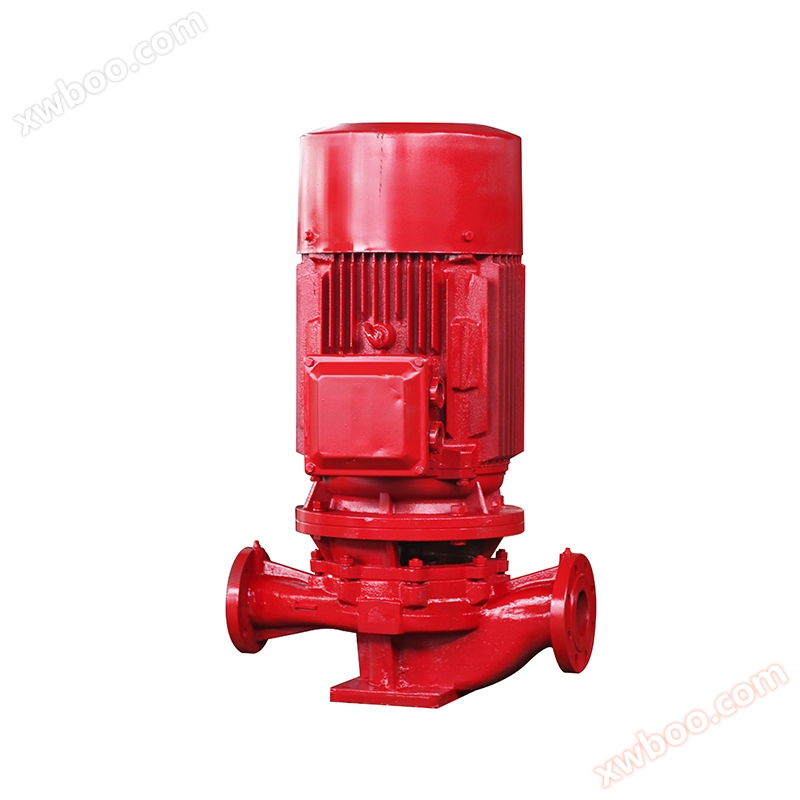
Vertical single-stage centrifugal pump
NegotiableUpdate on 02/24
- Model
- Nature of the Manufacturer
- Producers
- Product Category
- Place of Origin
Overview
Product Name: Fire Centrifugal Pump Model: XBD8/30-100L Power 37KW Product Category: Fire Pump Series → Fire Centrifugal Pump Caliber Range: DN15-500 Flow Range: 1.1-1450m3/h Head Range: 7-162m Our Advantages: In stock, special materials can be customized, service life of more than 5 years (with CCCF certificate) Selection Quotation: You only need to provide the flow rate, head, and motor power of the water pump. If not, we will calculate for you
Product Details
Overview of Fire Centrifugal Pump Products:

CCCF fire signs


1、 Product Overview
The XBD-L single-stage fire centrifugal pump is divided into two types: single suction single-stage and single suction multi-stage segmented. It is used to transport clean water without solid particles and liquids with physical and chemical properties similar to water. Fire centrifugal pumps are mainly used for boosting water supply in fire protection systems, and can also be applied to water supply and drainage in factories and mines. The flow range of liquid transported by the fire centrifugal pump is 5-80L/s, the pressure range of the fire centrifugal pump is 0.2-2.25MPa, the matching power range of the fire centrifugal pump is 1.5-200kW, and the diameter range of the fire centrifugal pump is φ 50~φ 250mm.
2、 Main uses of fire centrifugal pump:
The XBD-L single-stage fire centrifugal pump is mainly used for pressurized water supply in fire protection system pipelines. It can also be applied to industrial and urban water supply and drainage, high-rise building pressurized water supply, long-distance water supply, heating, bathroom, boiler cold and warm water circulation pressurized air conditioning refrigeration system water supply and equipment matching, and other occasions.
If you have any questions about the overview and purpose, you can call 021-57239999 or click to consult experts for selection and quotation


3、 User feedback:
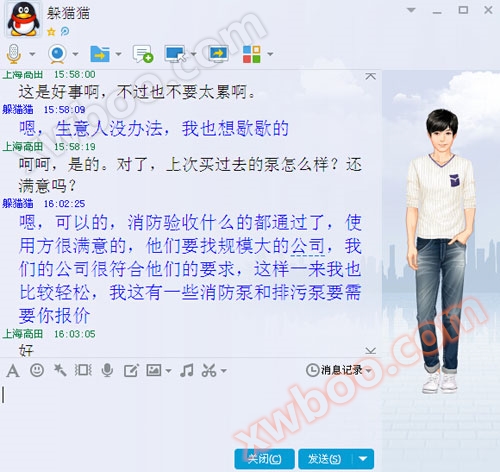
User feedback on vertical single-stage fire pump

4、 Installation instructions
During installation, the weight of the pipeline should not be borne on the pump body, otherwise it may damage the water pump.
2. The pump and motor are integrated structures that have been calibrated by the manufacturer before leaving the factory, and do not require adjustment during installation, making installation very convenient.
3. The installation must tighten the anchor bolts, and the pump should be inspected at regular intervals to prevent loosening and avoid vibration during pump start-up, which may affect the performance of the pump.
4. In order to maintain convenience and ensure safety, a regulating valve should be installed on the outlet pipeline of the pump and a pressure gauge should be installed near the pump outlet. For high lift pumps, to prevent water hammer, a check valve should also be installed before the pump outlet gate valve to cope with sudden power outages and other power loss accidents, ensuring that the pump operates under optimal conditions.
5. When the pump is used in situations with suction, it should be equipped with a bottom valve, and the inlet pipeline should not have too many bends. At the same time, there should be no air or water leakage to avoid affecting the suction capacity of the pump.
To prevent impurities from entering the pump and blocking the flow path, a filter should be installed before the pump inlet to improve performance.
7. The pump should be tested regularly (usually 15-20 days) for about 1 hour to prevent the shaft from getting stuck and unable to operate in emergency situations.
For installation related questions, you can call 021-57239999 or click to consult experts for selection and quotation
5、 Instructions for use:
Before startup:
1. The hood should be opened and manually turned to check for flexibility.
2. Open the inlet valve and exhaust valve to fill the pump chamber with water, and then close the exhaust valve.
3. Tap the motor to confirm if the steering is correct.
function:
1. Fully open the inlet valve and close the outlet pipeline valve.
2. Connect the power supply, and when the pump speed reaches normal, open the outlet pipeline valve and adjust it to the desired operating point.
3. Observe whether there are any abnormal situations after the pump is running. If there are any abnormal situations, stop the pump immediately for inspection, handle them before running again.
parking:
1. After gradually closing the outlet valve, cut off the power supply.
2. Close the inlet valve.
3. If the ambient temperature is below 0 ℃, measures should be taken to keep warm.
VI Fault causes and troubleshooting methods:
|
Fault phenomenon |
Possible causes |
exclusion method |
|
Pump non suction outlet pressure gauge and vacuum gauge The pointer is cracking and jumping violently |
1、Insufficient water filling in the pump 2、Water leakage in the suction pipeline or sealing instrument 3、The outlet valve opens too much when the pump starts
4、Insufficient submergence depth of bottom valve 5、The pump is not filled with water and there is air inside 6、Air leakage in the inlet pipeline 7、The installation of the inlet pipeline is incorrect, resulting in air blockage 8、The outlet is blocked and the check valve cannot be opened
|
1Check if the bottom valve is leaking and refill with water 2Identify the leaking area and tighten it 3When starting, the outlet gate valve is closed. After the speed returns to normal, slowly open the outlet valve 4Adjust the submergence depth to1.5More than twice the diameter of the inlet pipe 5Check if the bottom valve is leaking and refill with water 6Seal the leaking area 7Reinstall the inlet pipeline 8Exhaust gas |
|
Pump does not absorb water, vacuum gauge Display high vacuum |
1The bottom valve cannot be opened or is clogged 2Filter and suction pipe blockage 3High suction distance
|
1Correct and replace the bottom valve 2Disassemble and remove foreign objects 3Reduce suction distance |
|
Pump does not produce water, pressure gauge Displaying pressure
|
1The resistance of the water outlet pipe is high, and the check valve and other valves are not opened 2Motor reversal 3Impeller blockage
|
1Reduce pipe resistance and replace valves
3Remove foreign objects
|
|
The crew cannot start |
1Not meeting the starting conditions 2Motor malfunction
|
1、 Check if it meets the starting conditions 2、 Check and repair the motor |
|
Unable to achieve the designed traffic And lift |
1There is air inhalation 2The impeller, inlet and outlet pipelines, and filter are partially blocked 3The water level has decreased and the submergence depth is insufficient
|
1、 Check for air intake and avoid it 2、 Disassemble and remove foreign objects 3、 Deepen the submergence depth 4、 Check the power frequency |
|
Mechanical seal leakage |
1Crystallization phenomenon occurs when the medium contains particles or liquids 2Uneven installation of mechanical seals 3Mechanical seal dynamic and static ring surface without water dry grinding 4Normal wear and tear |
1、 Clean the pipeline to prevent crystallization 2、 Reinstall and flatten 3、 When starting the pump, exhaust the air inside the pump to prevent dry friction of the mechanical seal 4、 Replace the machine seal |
|
Bearing overheating |
1Oil and grease loss inside the bearing 2Lubricating oil aging 3The bearing is faulty
|
1、 Replenish lubricating oil 2、 Change the engine oil 3、 Check, repair or replace |
|
Pump noise field and vibration |
1There is air in the pump and pipeline that has not been expelled 2The water pump deviates from the design operating conditions during operation 3The water pump is operating at overload 4Bearing oil shortage or wear 5Poor pump and pipeline support 6Pump cavitation occurs
|
1、 Eliminate air 2、 Run near the design point 3、 Adjust the valve to reduce load during operation 4、 Replace bearings and replenish lubricating oil 5、 Strengthen support and adopt vibration isolation measures 6、 Improve inhalation conditions to avoid cavitation |
|
Motor overcurrent |
1The pump operates at an extremely high flow rate 2Mixing other foreign objects into the medium 3Voltage too low 4Bearing damage 5The rotation speed is too fast
|
1、 Adjust the outlet valve 2、 Remove foreign objects 3、 Operate the pump at normal voltage 4、 replace the bearing 5、 Check the power frequency |
|
motor burnout |
1、 Long term overload operation 2、 The stator is damp 3、 Motor phase loss operation
|
1、 Adjust operating conditions 2、 Improve the operating environment of the unit 3、 Check and troubleshoot the power supply |
Similar Product Recommend