- Phone
-
Address
Room BE156, Building 22, No. 1-30, Lane 88, Minbei Road, Minhang District, Shanghai
Product Categories
Shanghai Xinyu Biotechnology Co., Ltd


Tumor Necrosis Factor ELISA Kit
NegotiableUpdate on 05/06
- Model
- Nature of the Manufacturer
- Producers
- Product Category
- Place of Origin
Overview
Shanghai Xinyu Biotechnology Co., Ltd. specializes in research and development, with precise detection and high sensitivity! The development and customization of high-quality scientific research ELISA kits and chemiluminescence kits are only for scientific research use and cannot be used for clinical testing.
Product Details
XinYu BioDetect
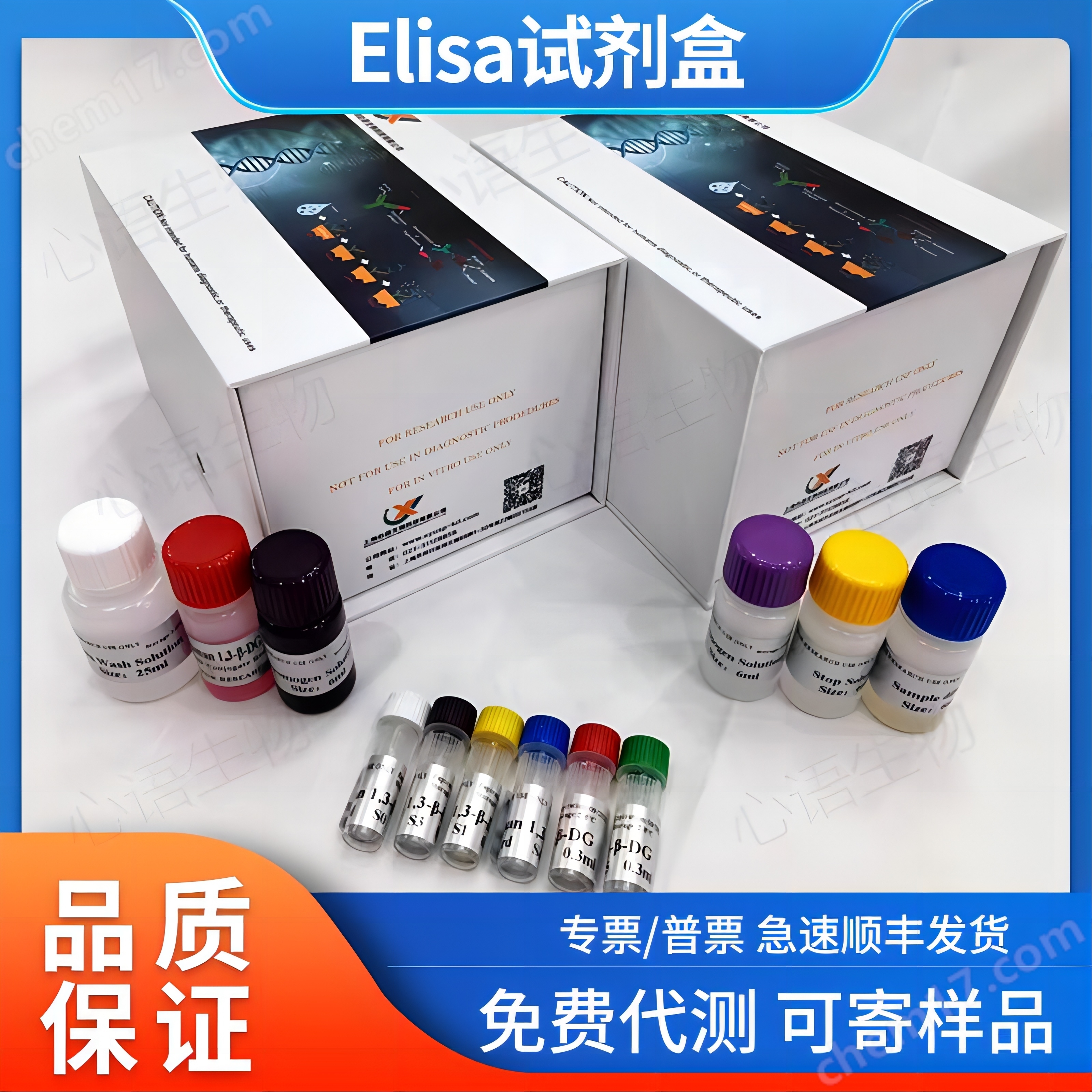
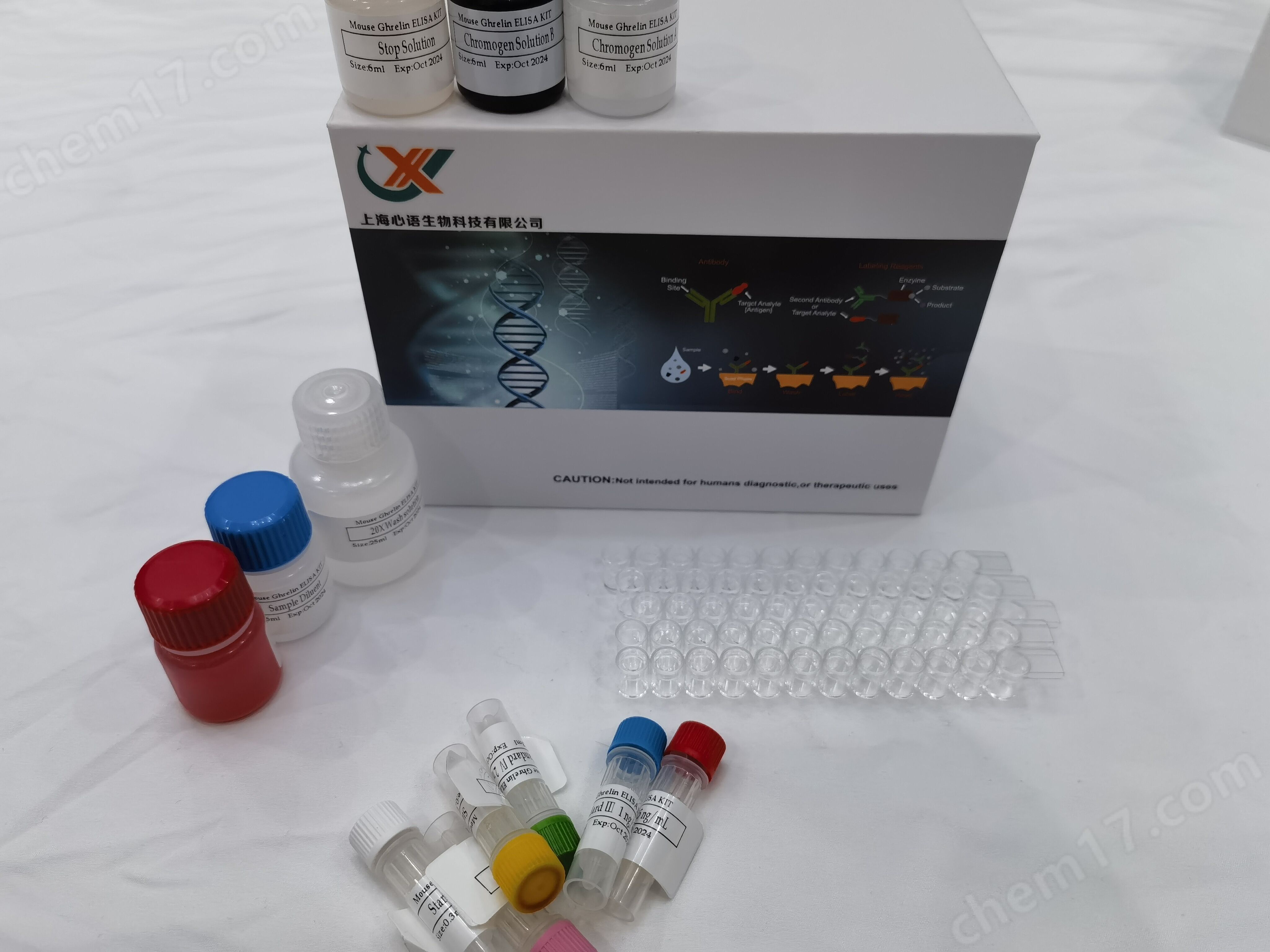
The scientific ELISA kit contains all the reagents and related components required for ELISA experiments. Simple and efficient scheme design and optimized reagent ratios provide ELISA experimental analysis solutions for global researchers.
The reagent kit contains all the necessary reagents for analysis, and the operation is simple and convenient; The components inside the reagent kit have been optimized through experiments to ensure higher detection sensitivity
Product Name:Tumor Necrosis Factor ELISA Kit
Product specifications: 96T/48T detachable
Shelf life: 6 months
Detection method: Enzyme linked immunosorbent assay
Applicable species: rats/mice/animals/plants, etc
Mainly used for scientific research, not for clinical diagnosis. Can be used to detect various indicators.
Sample type: liquid samples such as serum, plasma, and cell supernatant
Storage method: The reagent kit is not opened and stored at 4 ℃. It has been disassembled and stored at -20 ℃ for standard samples and 4 ℃ for others.
Sample volume: 50 μ l
Tumor Necrosis Factor ELISA KitSample processing and requirements:
1. Serum: Place the whole blood sample collected in the serum separation tube at room temperature for 2 hours or overnight at 4 ℃, then centrifuge at 1000 × g for 20 minutes to obtain the supernatant, or store the supernatant at -20 ℃ or -80 ℃, but avoid repeated freezing and thawing.
2. Plasma: Collect specimens using EDTA or heparin as anticoagulants, and centrifuge the specimens at 2-8 ℃ 1000 × g for 15 minutes within 30 minutes after collection. The supernatant can be collected for detection, or stored at -20 ℃ or -80 ℃, but repeated freezing and thawing should be avoided.
3. Tissue homogenate: Rinse the tissue with pre cooled PBS (0.01M, pH=7.4) to remove residual blood (lysed red blood cells in the homogenate can affect measurement results), weigh it, and then cut it into pieces. Mix the shredded tissue with the corresponding volume of PBS (usually in a weight to volume ratio of 1:9, for example, 1g of tissue sample corresponds to 9mL of PBS, the specific volume can be adjusted appropriately according to experimental needs, and records should be kept. Recommend adding protease inhibitors to PBS and grinding thoroughly on ice in a glass homogenizer. To further lyse tissue cells, the homogenate can be sonicated or subjected to repeated freeze-thaw cycles. Finally, centrifuge the homogenate at 5000 × g for 5-10 minutes and collect the supernatant for detection.
4. Cell culture supernatant: Centrifuge at 1000 × g for 20 minutes, take the supernatant for detection, or store the supernatant at -20 ℃ or -80 ℃, but avoid repeated freezing and thawing.
Operation points and precautions:
When mixing protein solutions, always avoid foaming. To avoid cross contamination, the pipette tip should be replaced when adding each standard, sample, and reagent. In addition, each reagent should be used in a separate container.
2. Ensure that the reagents are continuously added to the plate wells. To ensure accurate results, it is necessary to bond the sealing film well during the incubation step.
When using an automatic washing machine, adding a 30 second soaking period after adding the washing buffer, or rotating the plate 180 degrees between washing steps, can improve the measurement accuracy.
The color developer should remain colorless until added to the plate. Ensure that the color developer is not exposed to light. The color developer should change from colorless to blue.
4. The termination solution should be added to the plate in the same order as the color developer. After adding the termination solution, the color formed in the pores will change from blue to yellow. The green holes indicate that the termination solution has not been fully mixed with the matrix solution.
5. The termination solution provided by this reagent kit is a dilute sulfuric acid solution, which has certain corrosiveness and should be handled with caution.
6. Some components in this kit contain preservatives, which may cause skin allergies. Masks should be worn to avoid inhaling light mist.
7. Color developer B may cause skin, eye, and respiratory irritation, and masks should be worn to avoid inhaling light mist.
8. Wear protective gloves, eye and facial protection equipment. Wash hands after handling.
Similar Product Recommend