-
Phone
18501761259
-
Address
East Building, Blue Treasure Building, No. 29 Jiatai Road, Shanghai Pilot Free Trade Zone, China
Product Categories
Shanghai Huishi Instrument Equipment Co., Ltd
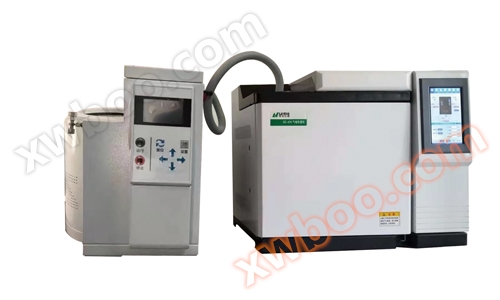
TDGC-400 series thermal analysis gas chromatograph
NegotiableUpdate on 02/16
- Model
- Nature of the Manufacturer
- Producers
- Product Category
- Place of Origin
Overview
TDGC-400 series thermal analysis gas chromatograph
Product Details
TDGC-400 series thermal analysisgas chromatographIntroduction:
A sample pretreatment device in the thermal analysis gas chromatography analysis and detection system, which mainly uses physical methods to heat and adsorb the sample, thereby achieving the purpose of purifying the sample. In the sample processing of gas chromatography, the working principle of the thermal analyzer is to inject the sample to be tested into an adsorption tube filled with an adsorbent (the appropriate adsorbent in the thermal analyzer adsorption tube must be determined based on the properties of the sampled sample), where volatile components are adsorbed and eliminated, and the remaining sample in the adsorption tube is heated to desorb the collected volatile organic compounds. The sample to be tested enters a capillary column gas chromatograph equipped with a flame ionization detector for analysis along with an inert carrier gas. Thermal analyzer has the advantages of convenient sampling, fast inspection, and accurate quantification, and is widely used in gas chromatography analysis systems. The fully automatic thermal analysis gas chromatograph meets the requirements of gas chromatography detection and analysis of total volatile organic compounds (TVOC) and benzene in indoor air (this method complies with the national standards of GB/T 50325-2010 "Code for Indoor Environmental Pollution Control of Civil Building Engineering" and HJ 583-2010 "Determination of Benzene Compounds in Environmental Air Solid Adsorption/Thermal Desorption Gas Chromatography Method")
Thermal analysis gas chromatography is mainly used in the following fields:
1. Occupational safety, industrial hygiene, and environmental monitoring;
2. Rapid identification of unknown atmosphere;
3. Analysis of spices and essence;
4. Assessment of toxic substance accidents (when personnel can safely return to the accident site);
5. Perimeter environmental safety monitoring of chemical warehouses;
6. Quality control testing in the polymer and packaging industries;
7. Evaluation of drug solvents and product purity;
8. Residual analysis of drugs and court samples;
9. Collecting exhaled gases from patients and detecting volatile drug metabolites in their blood in hospitals.
Technical parameters of thermal analysis gas chromatograph:
1. The gas circuit adopts a combination of electric six way valves and solenoid valves to automatically achieve desorption, injection, and blowback cleaning processes
2. Adopting a touch screen for convenient editing, saving, and calling methods
3. The heating temperature of the adsorption tube, pipeline, and six way valve can be independently set,
4. The machine comes with the function of simulating and sampling standard samples, which makes it more convenient to create working curves through a thermal desorption instrument;
5. Through time programming, automatic functions such as desorption, blowdown adsorption, injection, and blowback cleaning (activation) can be achieved;
6. Using Simple Lock locking sealing technology to achieve simple and reliable fixation and sealing of sampling tubes, efficient work can be achieved by fixing and disassembling the sampling tubes in 2 seconds
7. Adopting semiconductor refrigeration, high cooling efficiency, no need for external refrigeration equipment, saving usage costs
7. Adopting international standard adsorption tubes (length 89mm, outer diameter 6.4mm), the adsorption tubes can withstand a maximum temperature of 420 ℃ and are sealed with PTFE caps to ensure longer storage time of the samples;
8. The injection needle is easy to replace and can be connected to all models of GC injection ports at home and abroad
Main technical parameters of thermal analysis gas chromatograph:
1. Temperature control range of the pipette: room temperature -400 ℃, accuracy: 1 ℃;
2. Temperature control range of valve injection system: room temperature -220 ℃, accuracy: 1 ℃;
3. Temperature control range of sample transfer pipeline: room temperature -260 ℃, accuracy: 1 ℃;
4. Temperature range for secondary analysis: -35 ℃ -400 ℃, heating rate for secondary flash evaporation:>3000 ℃/min
5. Desorption recovery rate:>98% (depending on the composition);
6. Backblowing cleaning flow rate: 0-600ml/min (continuously adjustable);
7. Simulated sampling flow rate: 100ml/min;

The pictures of the thermal analysis gas chromatograph are for reference only. Please refer to the actual product. For more configuration and detailed technical information, please call our company for inquiries and requests.
For more information on gas chromatography application methods, please call 400-021-0456 for consultation
HJ 38-2017 Determination of Total Hydrocarbons, Methane and Non Methane Total Hydrocarbons in Waste Gas from Fixed Pollution Sources Gas Chromatography Method
HJ 760-2015 Solid Waste Determination of Volatile Organic Compounds Headspace Gas Chromatography Method
HJ 768-2015 Solid Waste - Determination of Organophosphorus Pesticides - Gas Chromatography Method
HJ 869-2017 Determination of Phthalates in Waste Gas from Fixed Pollution Sources by Gas Chromatography
HJ 874-2017 Solid Waste Determination of Acrylonitrile and Acetonitrile Headspace Gas Chromatography
HJ 583-2010 Determination of Benzene Compounds in Environmental Air Solid Adsorption Thermal Desorption Gas Chromatography Method
HJ 584-2010 Determination of Benzene Compounds in Environmental Air Activated Carbon Adsorption/Carbon Disulfide Desorption Gas Chromatography Method
HJ 604-2011 Determination of total hydrocarbons in ambient air by GC method
HJ 738-2015 Environmental Air Determination of Nitrobenzene Compounds Gas Chromatography Method
HJ 604-2017 Determination of Total Hydrocarbons, Methane, and Non Methane in Environmental Air - Direct Injection Gas Chromatography Method
HJ 901-2017 Determination of Organochlorine Pesticides in Environmental Air Gas Chromatography Method
HJ 903-2017 Determination of Polychlorinated Biphenyls in Environmental Air Gas Chromatography Method
HJ 904-2017 Determination of Polychlorinated Biphenyls Mixtures in Environmental Air Gas Chromatography Method
HJ 621-2011 Determination of Chlorobenzenes in Water Quality Gas Chromatography Method
HJ 648-2013 Determination of Nitrobenzene Compounds in Water Quality Liquid Liquid Extraction Solid Phase Extraction Gas Chromatography Method
HJ 676-2013 Determination of Phenolic Compounds in Water Quality Liquid Liquid Extraction Gas Chromatography Method
HJ 686-2014 Determination of Volatile Organic Compounds in Water Quality - Gas Chromatography with Sweep Capture (Draft)
HJ 697-2014 Water Quality - Determination of Acrylamide - Gas Chromatography Method (Draft)
HJ 698-2014 Determination of Baijunqing in Water Quality Gas Chromatography Method (Draft)
HJ 758-2015 Determination of Haloacetic Acid Compounds in Water Quality Gas Chromatography Method
HJ 788-2016 Determination of Acetonitrile in Water Quality - Gas Chromatography Method with Purging and Capture
HJ 789-2016 Determination of Acetonitrile in Water Quality - Direct Injection Gas Chromatography Method
HJ 806-2016 Determination of Acrylonitrile in Water Quality - Gas Chromatography with Sweep Capture
HJ 809-2016 Determination of Nitrosamine Compounds in Water Quality by Gas Chromatography (Draft)
HJ 893-2017 Determination of Volatile Petroleum Hydrocarbons (C6-C9) in Water Quality by Gas Chromatography with Sweep Capture
HJ 894-2017 Determination of extractable petroleum hydrocarbons (C10-C40) in water quality by gas chromatography method
HJ 895-2017 Water Quality - Determination of Methanol and Acetone - Headspace Gas Chromatography Method
HJ 703-2014 Determination of Phenolic Compounds in Soil and Sediments Gas Chromatography Method
HJ 741-2015 Determination of volatile organic compounds in soil and sediment by headspace gas chromatography method
HJ 742-2015 Determination of volatile aromatic hydrocarbons in soil and sediment by headspace gas chromatography method
HJ 890-2017 Determination of Polychlorinated Biphenyls Mixtures in Soil and Sediments Gas Chromatography Method
HJ 921-2017 Determination of Organochlorine Pesticides in Soil and Sediments Gas Chromatography Method
HJ 922-2017 Determination of Polychlorinated Biphenyls in Soil and Sediments Gas Chromatography Method
16 GB 23200.16-2016 Determination of Ethylene Residue in Fruits and Vegetables Gas Chromatography Method
25 GB 23200.25-2016 Method for detecting residual levels of oxadiazone in fruits
26 GB 23200.26-2016 Method for detecting residues of 9 organic heterocyclic pesticides in tea
40 GB 23200.40-2016 Determination of Organophosphorus and Organochlorine Pesticide Residues in Cola Beverages Gas Chromatography Method
42 GB 23200.42-2016 Method for detecting residues of flupyradifurone in grains
43 GB 23200.43-2016 Determination of Chloroquine Residues in Grains and Oilseeds Gas Chromatography Method
44 GB 23200.44-2016 Method for detecting residues of carbon disulfide, carbon tetrachloride, and dibromoethane in grains
55 GB 23200.55-2016 Determination of residual levels of 21 fumigants in food by headspace gas chromatography
78 GB 23200.78-2016 Determination of Paratoxic Phosphorus Residues in Meat and Meat Products Gas Chromatography Method
79 GB 23200.79-2016 Determination of Pyrrolimus Residues in Meat and Meat Products Gas Chromatography Method
81 GB 23200.81-2016 Method for detecting residues of simazine in meat and meat products
82 GB 23200.82-2016 Method for detecting residual levels of ethephon in meat and meat products
88 GB 23200.88-2016 Method for detecting residues of various organochlorine pesticides in aquatic products
91 GB 23200.91-2016 Determination of 9 organophosphate pesticide residues in animal derived foods Gas chromatography method
95GB 23200.95-2016 Method for detecting residues of cyhalothrin in bee products
97 GB 23200.97-2016 Determination of 5 Organophosphorus Pesticide Residues in Honey Gas Chromatography Method
98 GB 23200.98-2016 Determination of 11 Organophosphorus Pesticide Residues in Royal Jelly Gas Chromatography Method
100 GB 23200.100-2016 Determination of multiple pyrethroid pesticide residues in royal jelly by gas chromatography method
106 GB 23200.106-2016 Determination of residual propiconazole in meat and meat products Gas chromatographic method
A sample pretreatment device in the thermal analysis gas chromatography analysis and detection system, which mainly uses physical methods to heat and adsorb the sample, thereby achieving the purpose of purifying the sample. In the sample processing of gas chromatography, the working principle of the thermal analyzer is to inject the sample to be tested into an adsorption tube filled with an adsorbent (the appropriate adsorbent in the thermal analyzer adsorption tube must be determined based on the properties of the sampled sample), where volatile components are adsorbed and eliminated, and the remaining sample in the adsorption tube is heated to desorb the collected volatile organic compounds. The sample to be tested enters a capillary column gas chromatograph equipped with a flame ionization detector for analysis along with an inert carrier gas. Thermal analyzer has the advantages of convenient sampling, fast inspection, and accurate quantification, and is widely used in gas chromatography analysis systems. The fully automatic thermal analysis gas chromatograph meets the requirements of gas chromatography detection and analysis of total volatile organic compounds (TVOC) and benzene in indoor air (this method complies with the national standards of GB/T 50325-2010 "Code for Indoor Environmental Pollution Control of Civil Building Engineering" and HJ 583-2010 "Determination of Benzene Compounds in Environmental Air Solid Adsorption/Thermal Desorption Gas Chromatography Method")
Thermal analysis gas chromatography is mainly used in the following fields:
1. Occupational safety, industrial hygiene, and environmental monitoring;
2. Rapid identification of unknown atmosphere;
3. Analysis of spices and essence;
4. Assessment of toxic substance accidents (when personnel can safely return to the accident site);
5. Perimeter environmental safety monitoring of chemical warehouses;
6. Quality control testing in the polymer and packaging industries;
7. Evaluation of drug solvents and product purity;
8. Residual analysis of drugs and court samples;
9. Collecting exhaled gases from patients and detecting volatile drug metabolites in their blood in hospitals.
Technical parameters of thermal analysis gas chromatograph:
1. The gas circuit adopts a combination of electric six way valves and solenoid valves to automatically achieve desorption, injection, and blowback cleaning processes
2. Adopting a touch screen for convenient editing, saving, and calling methods
3. The heating temperature of the adsorption tube, pipeline, and six way valve can be independently set,
4. The machine comes with the function of simulating and sampling standard samples, which makes it more convenient to create working curves through a thermal desorption instrument;
5. Through time programming, automatic functions such as desorption, blowdown adsorption, injection, and blowback cleaning (activation) can be achieved;
6. Using Simple Lock locking sealing technology to achieve simple and reliable fixation and sealing of sampling tubes, efficient work can be achieved by fixing and disassembling the sampling tubes in 2 seconds
7. Adopting semiconductor refrigeration, high cooling efficiency, no need for external refrigeration equipment, saving usage costs
7. Adopting international standard adsorption tubes (length 89mm, outer diameter 6.4mm), the adsorption tubes can withstand a maximum temperature of 420 ℃ and are sealed with PTFE caps to ensure longer storage time of the samples;
8. The injection needle is easy to replace and can be connected to all models of GC injection ports at home and abroad
Main technical parameters of thermal analysis gas chromatograph:
1. Temperature control range of the pipette: room temperature -400 ℃, accuracy: 1 ℃;
2. Temperature control range of valve injection system: room temperature -220 ℃, accuracy: 1 ℃;
3. Temperature control range of sample transfer pipeline: room temperature -260 ℃, accuracy: 1 ℃;
4. Temperature range for secondary analysis: -35 ℃ -400 ℃, heating rate for secondary flash evaporation:>3000 ℃/min
5. Desorption recovery rate:>98% (depending on the composition);
6. Backblowing cleaning flow rate: 0-600ml/min (continuously adjustable);
7. Simulated sampling flow rate: 100ml/min;
The pictures of the thermal analysis gas chromatograph are for reference only. Please refer to the actual product. For more configuration and detailed technical information, please call our company for inquiries and requests.
For more information on gas chromatography application methods, please call 400-021-0456 for consultation
HJ 38-2017 Determination of Total Hydrocarbons, Methane and Non Methane Total Hydrocarbons in Waste Gas from Fixed Pollution Sources Gas Chromatography Method
HJ 760-2015 Solid Waste Determination of Volatile Organic Compounds Headspace Gas Chromatography Method
HJ 768-2015 Solid Waste - Determination of Organophosphorus Pesticides - Gas Chromatography Method
HJ 869-2017 Determination of Phthalates in Waste Gas from Fixed Pollution Sources by Gas Chromatography
HJ 874-2017 Solid Waste Determination of Acrylonitrile and Acetonitrile Headspace Gas Chromatography
HJ 583-2010 Determination of Benzene Compounds in Environmental Air Solid Adsorption Thermal Desorption Gas Chromatography Method
HJ 584-2010 Determination of Benzene Compounds in Environmental Air Activated Carbon Adsorption/Carbon Disulfide Desorption Gas Chromatography Method
HJ 604-2011 Determination of total hydrocarbons in ambient air by GC method
HJ 738-2015 Environmental Air Determination of Nitrobenzene Compounds Gas Chromatography Method
HJ 604-2017 Determination of Total Hydrocarbons, Methane, and Non Methane in Environmental Air - Direct Injection Gas Chromatography Method
HJ 901-2017 Determination of Organochlorine Pesticides in Environmental Air Gas Chromatography Method
HJ 903-2017 Determination of Polychlorinated Biphenyls in Environmental Air Gas Chromatography Method
HJ 904-2017 Determination of Polychlorinated Biphenyls Mixtures in Environmental Air Gas Chromatography Method
HJ 621-2011 Determination of Chlorobenzenes in Water Quality Gas Chromatography Method
HJ 648-2013 Determination of Nitrobenzene Compounds in Water Quality Liquid Liquid Extraction Solid Phase Extraction Gas Chromatography Method
HJ 676-2013 Determination of Phenolic Compounds in Water Quality Liquid Liquid Extraction Gas Chromatography Method
HJ 686-2014 Determination of Volatile Organic Compounds in Water Quality - Gas Chromatography with Sweep Capture (Draft)
HJ 697-2014 Water Quality - Determination of Acrylamide - Gas Chromatography Method (Draft)
HJ 698-2014 Determination of Baijunqing in Water Quality Gas Chromatography Method (Draft)
HJ 758-2015 Determination of Haloacetic Acid Compounds in Water Quality Gas Chromatography Method
HJ 788-2016 Determination of Acetonitrile in Water Quality - Gas Chromatography Method with Purging and Capture
HJ 789-2016 Determination of Acetonitrile in Water Quality - Direct Injection Gas Chromatography Method
HJ 806-2016 Determination of Acrylonitrile in Water Quality - Gas Chromatography with Sweep Capture
HJ 809-2016 Determination of Nitrosamine Compounds in Water Quality by Gas Chromatography (Draft)
HJ 893-2017 Determination of Volatile Petroleum Hydrocarbons (C6-C9) in Water Quality by Gas Chromatography with Sweep Capture
HJ 894-2017 Determination of extractable petroleum hydrocarbons (C10-C40) in water quality by gas chromatography method
HJ 895-2017 Water Quality - Determination of Methanol and Acetone - Headspace Gas Chromatography Method
HJ 703-2014 Determination of Phenolic Compounds in Soil and Sediments Gas Chromatography Method
HJ 741-2015 Determination of volatile organic compounds in soil and sediment by headspace gas chromatography method
HJ 742-2015 Determination of volatile aromatic hydrocarbons in soil and sediment by headspace gas chromatography method
HJ 890-2017 Determination of Polychlorinated Biphenyls Mixtures in Soil and Sediments Gas Chromatography Method
HJ 921-2017 Determination of Organochlorine Pesticides in Soil and Sediments Gas Chromatography Method
HJ 922-2017 Determination of Polychlorinated Biphenyls in Soil and Sediments Gas Chromatography Method
16 GB 23200.16-2016 Determination of Ethylene Residue in Fruits and Vegetables Gas Chromatography Method
25 GB 23200.25-2016 Method for detecting residual levels of oxadiazone in fruits
26 GB 23200.26-2016 Method for detecting residues of 9 organic heterocyclic pesticides in tea
40 GB 23200.40-2016 Determination of Organophosphorus and Organochlorine Pesticide Residues in Cola Beverages Gas Chromatography Method
42 GB 23200.42-2016 Method for detecting residues of flupyradifurone in grains
43 GB 23200.43-2016 Determination of Chloroquine Residues in Grains and Oilseeds Gas Chromatography Method
44 GB 23200.44-2016 Method for detecting residues of carbon disulfide, carbon tetrachloride, and dibromoethane in grains
55 GB 23200.55-2016 Determination of residual levels of 21 fumigants in food by headspace gas chromatography
78 GB 23200.78-2016 Determination of Paratoxic Phosphorus Residues in Meat and Meat Products Gas Chromatography Method
79 GB 23200.79-2016 Determination of Pyrrolimus Residues in Meat and Meat Products Gas Chromatography Method
81 GB 23200.81-2016 Method for detecting residues of simazine in meat and meat products
82 GB 23200.82-2016 Method for detecting residual levels of ethephon in meat and meat products
88 GB 23200.88-2016 Method for detecting residues of various organochlorine pesticides in aquatic products
91 GB 23200.91-2016 Determination of 9 organophosphate pesticide residues in animal derived foods Gas chromatography method
95GB 23200.95-2016 Method for detecting residues of cyhalothrin in bee products
97 GB 23200.97-2016 Determination of 5 Organophosphorus Pesticide Residues in Honey Gas Chromatography Method
98 GB 23200.98-2016 Determination of 11 Organophosphorus Pesticide Residues in Royal Jelly Gas Chromatography Method
100 GB 23200.100-2016 Determination of multiple pyrethroid pesticide residues in royal jelly by gas chromatography method
106 GB 23200.106-2016 Determination of residual propiconazole in meat and meat products Gas chromatographic method
Similar Product Recommend


