-
Phone
18501761259
-
Address
East Building, Blue Treasure Building, No. 29 Jiatai Road, Shanghai Pilot Free Trade Zone, China
Product Categories
Shanghai Huishi Instrument Equipment Co., Ltd
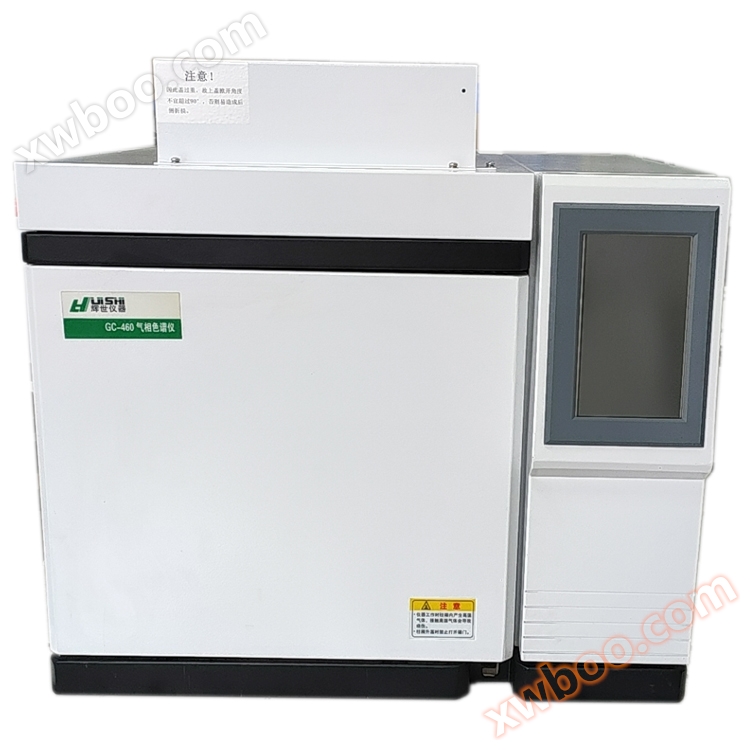
Sulfide analyzer Organic sulfur analyzer
NegotiableUpdate on 02/16
- Model
- Nature of the Manufacturer
- Producers
- Product Category
- Place of Origin
Overview
Sulfide analyzer Organic sulfur analyzer
Product Details
A sulfur analyzer is used to analyze natural gas, coal gas, coke oven gas, and liquefied petroleum gas,Crude oil naphtha,Food grade sulfur dioxideBenzene, chemical raw materialWaiting for gasliquidFull analysis of sulfides and analysis of the content of other organic sulfide forms. And the specially treated chromatographic column is also specialized in analyzing SO in flue gas and other gases2From the perspectives of safety, environmental protection, and equipment corrosion. The presence of sulfides is a technical requirement that requires special attention and consideration. Especially in the industries of synthetic ammonia and synthetic methanol, monitoring the desulfurization effect of various desulfurizers plays an important role in poisoning catalysts.
It is a new type of analyzer specifically developed for analyzing sulfides; High sensitivity: detection range of 0.02ppm~100ppm. The chromatographic separation system adopts advanced process technology, and the chromatographic column and gas path are all made of Teflon materials imported from the United States. The detector adopts a fully quartz flame nozzle, which has low sulfur adsorption, strong resistance to carbonization, and does not extinguish the flame. The chromatographic column support adopts the original permanent column from the United States, which has no loss or failure. When the column efficiency is poor, it can be restored by aging. The injection system adopts polymer materials imported from Germany, which are acid and alkali resistant, non adsorbing, highly sensitive, and have good repeatability.
Instrument features: Good human-machine interface, easy to set: temperature, attenuation, high pressure, sampling and injection time. Abnormal temperature, automatic protection, automatic control of sampling and injection, no need for human intervention during the analysis process (automatic sampling and injection are online).

1 Overview
Sulfur and phosphorus analyzer is a specialized analyzer for detecting sulfides in gases and liquids. The use of flame photometric detector (FPD) with high sensitivity and selectivity for the determination of sulfur and phosphides is an effective method for analyzing sulfur and phosphides in fields such as environmental protection, biochemistry, and factories.
The measurement principle of flame photometric detector (FPD) is that the sample is separated by a chromatographic column and then enters the detector (FPD). At appropriate temperatures, sulfur compounds can generate excited S * molecules in hydrogen rich (hydrogen to oxygen ratio greater than 3:1) flames, but when they return to the ground state, they emit characteristic molecular spectra of 350-430nm. At the maximum wavelength of 394nm, with the help of corresponding interferometers, impurities are filtered out and amplified by a photomultiplier tube (PMT), and the output signal is processed by a microprocessor
1. Qualitative analysis
After the sample is separated by a chromatographic column, different sulfides enter the detector (FPD) at different times, resulting in chromatographic peaks with different retention times appearing on the recorded chromatogram. Sulfides are determined based on the relationship between retention time and boiling point.
2. Quantification
The detector (FPD) follows the corresponding rules for sulfides:
R≈KC2(R: FPD response value C: sulfide concentration K: constant)
It can be seen that the FPD response value is directly proportional to the square of the sulfide concentration, so there is a nonlinear relationship between the sulfide concentration and the peak height and peak area of the spectrum. Most workers who measure sulfides usually develop a working curve for each measured component, which is a large workload. Many literature have produced a large number of working curves. Maruyama et al. demonstrated through experiments that using (hw)1/2(h is peak height, w is half peak width) indicates that the peak area is proportional to the concentration of sulfides. Liu Guanghui has previously measured the response values (hw) of sulfides such as methyl mercaptan, methyl sulfide, disulfide, thiophene, etc. within the range of 1-50ng injection volume1/2The relationship between the concentration of fluidized substances is similar to the results of Maruyama.
According to literature reports, using (hw)1/2Representing the response value, not only can the content and response value of a sulfide be represented by a straight line, but the sensitivity of various sulfides is also the same, which means that the concentration and response value curves of various sulfides coincide. Only one pure sulfide can be used to make a standard working curve for the determination of all sulfides, greatly reducing the workload and providing a feasible method for the convenient determination of total sulfur by flame photometry.
The relationship between the sulfide content G in the sample and the sulfide mass flow rate C is shown in equation (5)
G=∫∞0Cdt (5)
According to the mechanism of flame emission, there is equation (6)
I=SC2(6)
Among them, I is the emission intensity; C is the mass flow rate of sulfide (grams per second); S is the FPD sensitivity.
The relationship between emission intensity and recorder is equation (7)
I=h×K1 (7)
Among them, h is the peak height; K1 is the sensitivity of the recorder
Substituting equation (7) into equation (6) yields equation (8):
C=(h×K1/S)1/2=(h)1/2K2 (8)
Substituting equation (8) into equation (5) yields equation (9):
G= K2∫∞0(h)1/2dt≈K∑(h)1/2△t (9)
Therefore, it is concluded that the content of sulfides in the sample is linearly related to the cumulative value of the square root of the peak height per unit time. The data processing function is processed according to equation (9), and the analysis report is directly printed.
Considering the adaptability of different analysis objects and the significant difference in boiling points of sulfides, two specially treated chromatographic columns, GDX and TCP, were used. Separate various types at appropriate column temperatures as neededThiols, thioethers, thiophenes, dimethyl disulfides, hydrogen sulfide, and sulfur dioxide, etc.
Two types of chromatography columns are simultaneously equipped on the instrument, and one of them can be selected by switching the 6-way valve as needed. In order to avoid adsorption loss of sulfides, the entire chromatography system uses PTFE pipelines.
The chromatographic column incubator operates within a temperature range of 5 ℃ to 400 ℃ above room temperature, and can be used for constant temperature and programmed heating. The column temperature chamber of this instrument adopts forced ventilation air bath to achieve uniform temperature in the column temperature chamber. Set the temperature through the keyboard, and the instrument is equipped with an over temperature protection device.
FPD system
In addition to the flame photometric detector, the system also includes a high-voltage power supply required for PMT operation.
The hydrogen gas from the steel cylinder is mixed with the carrier gas of the chromatography system in the mixing chamber through a pressure regulator valve and enters the nozzle. The auxiliary gas (oxygen or air) enters the nozzle from the central thin tube and forms a hydrogen rich flame at the nozzle. The ratio of hydrogen and oxygen is slightly different depending on the detector structure and is generally maintained at greater than 3:1. When sulfides flow out of the chromatographic column and reach the hydrogen rich flame at the nozzle with the carrier gas, they emit the unique blue light (394nm) of sulfides.
In order to enable PMT to operate with minimal thermal electron emission, glass plates are placed in the optical path between the flame and PMT for thermal insulation, and heat dissipation fins are installed in the corresponding housing parts; At the same time, an interference filter with a center wavelength of 394 nm is installed in front of the PMT to prevent other stray light from entering. The blue light unique to sulfides passes through a heat-insulating film, filters, and reaches the photocathode of PMT, converting the light signal into an electrical signal. After data processing, the electrical signal is recorded by a printer.
The high voltage source is designed to provide a stable high voltage direct current for PMT operation, with its positive terminal grounded. It is typically used in the range of -300 to -800V DC.
In order to prevent water vapor from accumulating during combustion, a heater is installed on the outer shell near the chimney to keep the temperature slightly above 100 ℃.
Specification
Detection limit: 5x10⁻¹⁰Sulfur per second or 2x10⁻¹⁰Grams of sulfur per second (in H)2S calculation)
Minimum detection limit: 0.05ppm or 0.02ppm (in H)2S calculation)
. 1ppm (as SO)2Calculation)
Line drift: ≤ 0.2mV/h;
Relative root mean square error: ≤ 10%
H2S (10PPm) COS (9.9PPm) analysis spectrum

H2S (10PPm) COS (9.9PPm) repeatability analysis spectrum

The specialized sulfur analyzer produced by our unit is currently at the China Institute of Testing Technology (Institute of Chemistry),Academician Chen Huadong from Fudan University's research group on new desulfurizers, the School of Chemical Engineering at Southwest Petroleum University, and the Lanzhou Institute of Chemical Industry of China Petroleum&Chemical Corporation have received high praise.
For more information on gas chromatography application methods, please call 400-021-0456 for consultation
HJ 38-2017 Determination of Total Hydrocarbons, Methane and Non Methane Total Hydrocarbons in Waste Gas from Fixed Pollution Sources Gas Chromatography Method
HJ 760-2015 Solid Waste Determination of Volatile Organic Compounds Headspace Gas Chromatography Method
HJ 768-2015 Solid Waste - Determination of Organophosphorus Pesticides - Gas Chromatography Method
HJ 869-2017 Determination of Phthalates in Waste Gas from Fixed Pollution Sources by Gas Chromatography
HJ 874-2017 Solid Waste Determination of Acrylonitrile and Acetonitrile Headspace Gas Chromatography
HJ 583-2010 Determination of Benzene Compounds in Environmental Air Solid Adsorption Thermal Desorption Gas Chromatography Method
HJ 584-2010 Determination of Benzene Compounds in Environmental Air Activated Carbon Adsorption/Carbon Disulfide Desorption Gas Chromatography Method
HJ 604-2011 Determination of total hydrocarbons in ambient air by GC method
HJ 738-2015 Environmental Air Determination of Nitrobenzene Compounds Gas Chromatography Method
HJ 604-2017 Determination of Total Hydrocarbons, Methane, and Non Methane in Environmental Air - Direct Injection Gas Chromatography Method
HJ 901-2017 Determination of Organochlorine Pesticides in Environmental Air Gas Chromatography Method
HJ 903-2017 Determination of Polychlorinated Biphenyls in Environmental Air Gas Chromatography Method
HJ 904-2017 Determination of Polychlorinated Biphenyls Mixtures in Environmental Air Gas Chromatography Method
HJ 621-2011 Determination of Chlorobenzenes in Water Quality Gas Chromatography Method
HJ 648-2013 Determination of Nitrobenzene Compounds in Water Quality Liquid Liquid Extraction Solid Phase Extraction Gas Chromatography Method
HJ 676-2013 Determination of Phenolic Compounds in Water Quality Liquid Liquid Extraction Gas Chromatography Method
HJ 686-2014 Determination of Volatile Organic Compounds in Water Quality - Gas Chromatography with Sweep Capture (Draft)
HJ 697-2014 Water Quality - Determination of Acrylamide - Gas Chromatography Method (Draft)
HJ 698-2014 Determination of Baijunqing in Water Quality Gas Chromatography Method (Draft)
HJ 758-2015 Determination of Haloacetic Acid Compounds in Water Quality Gas Chromatography Method
HJ 788-2016 Determination of Acetonitrile in Water Quality - Gas Chromatography Method with Purging and Capture
HJ 789-2016 Determination of Acetonitrile in Water Quality - Direct Injection Gas Chromatography Method
HJ 806-2016 Determination of Acrylonitrile in Water Quality - Gas Chromatography with Sweep Capture
HJ 809-2016 Determination of Nitrosamine Compounds in Water Quality by Gas Chromatography (Draft)
HJ 893-2017 Determination of Volatile Petroleum Hydrocarbons (C6-C9) in Water Quality by Gas Chromatography with Sweep Capture
HJ 894-2017 Determination of extractable petroleum hydrocarbons (C10-C40) in water quality by gas chromatography method
HJ 895-2017 Water Quality - Determination of Methanol and Acetone - Headspace Gas Chromatography Method
HJ 703-2014 Determination of Phenolic Compounds in Soil and Sediments Gas Chromatography Method
HJ 741-2015 Determination of volatile organic compounds in soil and sediment by headspace gas chromatography method
HJ 742-2015 Determination of volatile aromatic hydrocarbons in soil and sediment by headspace gas chromatography method
HJ 890-2017 Determination of Polychlorinated Biphenyls Mixtures in Soil and Sediments Gas Chromatography Method
HJ 921-2017 Determination of Organochlorine Pesticides in Soil and Sediments Gas Chromatography Method
HJ 922-2017 Determination of Polychlorinated Biphenyls in Soil and Sediments Gas Chromatography Method
16 GB 23200.16-2016 Determination of Ethylene Residue in Fruits and Vegetables Gas Chromatography Method
25 GB 23200.25-2016 Method for detecting residual levels of oxadiazone in fruits
26 GB 23200.26-2016 Method for detecting residues of 9 organic heterocyclic pesticides in tea
40 GB 23200.40-2016 Determination of Organophosphorus and Organochlorine Pesticide Residues in Cola Beverages Gas Chromatography Method
42 GB 23200.42-2016 Method for detecting residues of flupyradifurone in grains
43 GB 23200.43-2016 Determination of Chloroquine Residues in Grains and Oilseeds Gas Chromatography Method
44 GB 23200.44-2016 Method for detecting residues of carbon disulfide, carbon tetrachloride, and dibromoethane in grains
55 GB 23200.55-2016 Determination of residual levels of 21 fumigants in food by headspace gas chromatography
78 GB 23200.78-2016 Determination of Paratoxic Phosphorus Residues in Meat and Meat Products Gas Chromatography Method
79 GB 23200.79-2016 Determination of Pyrrolimus Residues in Meat and Meat Products Gas Chromatography Method
81 GB 23200.81-2016 Method for detecting residues of simazine in meat and meat products
82 GB 23200.82-2016 Method for detecting residual levels of ethephon in meat and meat products
88 GB 23200.88-2016 Method for detecting residues of various organochlorine pesticides in aquatic products
91 GB 23200.91-2016 Determination of 9 organophosphate pesticide residues in animal derived foods Gas chromatography method
95GB 23200.95-2016 Method for detecting residues of cyhalothrin in bee products
97 GB 23200.97-2016 Determination of 5 Organophosphorus Pesticide Residues in Honey Gas Chromatography Method
98 GB 23200.98-2016 Determination of 11 Organophosphorus Pesticide Residues in Royal Jelly Gas Chromatography Method
100 GB 23200.100-2016 Determination of multiple pyrethroid pesticide residues in royal jelly by gas chromatography method
106 GB 23200.106-2016 Determination of residual propiconazole in meat and meat products Gas chromatographic method
It is a new type of analyzer specifically developed for analyzing sulfides; High sensitivity: detection range of 0.02ppm~100ppm. The chromatographic separation system adopts advanced process technology, and the chromatographic column and gas path are all made of Teflon materials imported from the United States. The detector adopts a fully quartz flame nozzle, which has low sulfur adsorption, strong resistance to carbonization, and does not extinguish the flame. The chromatographic column support adopts the original permanent column from the United States, which has no loss or failure. When the column efficiency is poor, it can be restored by aging. The injection system adopts polymer materials imported from Germany, which are acid and alkali resistant, non adsorbing, highly sensitive, and have good repeatability.
Instrument features: Good human-machine interface, easy to set: temperature, attenuation, high pressure, sampling and injection time. Abnormal temperature, automatic protection, automatic control of sampling and injection, no need for human intervention during the analysis process (automatic sampling and injection are online).
1 Overview
Sulfur and phosphorus analyzer is a specialized analyzer for detecting sulfides in gases and liquids. The use of flame photometric detector (FPD) with high sensitivity and selectivity for the determination of sulfur and phosphides is an effective method for analyzing sulfur and phosphides in fields such as environmental protection, biochemistry, and factories.
The measurement principle of flame photometric detector (FPD) is that the sample is separated by a chromatographic column and then enters the detector (FPD). At appropriate temperatures, sulfur compounds can generate excited S * molecules in hydrogen rich (hydrogen to oxygen ratio greater than 3:1) flames, but when they return to the ground state, they emit characteristic molecular spectra of 350-430nm. At the maximum wavelength of 394nm, with the help of corresponding interferometers, impurities are filtered out and amplified by a photomultiplier tube (PMT), and the output signal is processed by a microprocessor
1. Qualitative analysis
After the sample is separated by a chromatographic column, different sulfides enter the detector (FPD) at different times, resulting in chromatographic peaks with different retention times appearing on the recorded chromatogram. Sulfides are determined based on the relationship between retention time and boiling point.
2. Quantification
The detector (FPD) follows the corresponding rules for sulfides:
R≈KC2(R: FPD response value C: sulfide concentration K: constant)
It can be seen that the FPD response value is directly proportional to the square of the sulfide concentration, so there is a nonlinear relationship between the sulfide concentration and the peak height and peak area of the spectrum. Most workers who measure sulfides usually develop a working curve for each measured component, which is a large workload. Many literature have produced a large number of working curves. Maruyama et al. demonstrated through experiments that using (hw)1/2(h is peak height, w is half peak width) indicates that the peak area is proportional to the concentration of sulfides. Liu Guanghui has previously measured the response values (hw) of sulfides such as methyl mercaptan, methyl sulfide, disulfide, thiophene, etc. within the range of 1-50ng injection volume1/2The relationship between the concentration of fluidized substances is similar to the results of Maruyama.
According to literature reports, using (hw)1/2Representing the response value, not only can the content and response value of a sulfide be represented by a straight line, but the sensitivity of various sulfides is also the same, which means that the concentration and response value curves of various sulfides coincide. Only one pure sulfide can be used to make a standard working curve for the determination of all sulfides, greatly reducing the workload and providing a feasible method for the convenient determination of total sulfur by flame photometry.
The relationship between the sulfide content G in the sample and the sulfide mass flow rate C is shown in equation (5)
G=∫∞0Cdt (5)
According to the mechanism of flame emission, there is equation (6)
I=SC2(6)
Among them, I is the emission intensity; C is the mass flow rate of sulfide (grams per second); S is the FPD sensitivity.
The relationship between emission intensity and recorder is equation (7)
I=h×K1 (7)
Among them, h is the peak height; K1 is the sensitivity of the recorder
Substituting equation (7) into equation (6) yields equation (8):
C=(h×K1/S)1/2=(h)1/2K2 (8)
Substituting equation (8) into equation (5) yields equation (9):
G= K2∫∞0(h)1/2dt≈K∑(h)1/2△t (9)
Therefore, it is concluded that the content of sulfides in the sample is linearly related to the cumulative value of the square root of the peak height per unit time. The data processing function is processed according to equation (9), and the analysis report is directly printed.
Considering the adaptability of different analysis objects and the significant difference in boiling points of sulfides, two specially treated chromatographic columns, GDX and TCP, were used. Separate various types at appropriate column temperatures as neededThiols, thioethers, thiophenes, dimethyl disulfides, hydrogen sulfide, and sulfur dioxide, etc.
Two types of chromatography columns are simultaneously equipped on the instrument, and one of them can be selected by switching the 6-way valve as needed. In order to avoid adsorption loss of sulfides, the entire chromatography system uses PTFE pipelines.
The chromatographic column incubator operates within a temperature range of 5 ℃ to 400 ℃ above room temperature, and can be used for constant temperature and programmed heating. The column temperature chamber of this instrument adopts forced ventilation air bath to achieve uniform temperature in the column temperature chamber. Set the temperature through the keyboard, and the instrument is equipped with an over temperature protection device.
FPD system
In addition to the flame photometric detector, the system also includes a high-voltage power supply required for PMT operation.
The hydrogen gas from the steel cylinder is mixed with the carrier gas of the chromatography system in the mixing chamber through a pressure regulator valve and enters the nozzle. The auxiliary gas (oxygen or air) enters the nozzle from the central thin tube and forms a hydrogen rich flame at the nozzle. The ratio of hydrogen and oxygen is slightly different depending on the detector structure and is generally maintained at greater than 3:1. When sulfides flow out of the chromatographic column and reach the hydrogen rich flame at the nozzle with the carrier gas, they emit the unique blue light (394nm) of sulfides.
In order to enable PMT to operate with minimal thermal electron emission, glass plates are placed in the optical path between the flame and PMT for thermal insulation, and heat dissipation fins are installed in the corresponding housing parts; At the same time, an interference filter with a center wavelength of 394 nm is installed in front of the PMT to prevent other stray light from entering. The blue light unique to sulfides passes through a heat-insulating film, filters, and reaches the photocathode of PMT, converting the light signal into an electrical signal. After data processing, the electrical signal is recorded by a printer.
The high voltage source is designed to provide a stable high voltage direct current for PMT operation, with its positive terminal grounded. It is typically used in the range of -300 to -800V DC.
In order to prevent water vapor from accumulating during combustion, a heater is installed on the outer shell near the chimney to keep the temperature slightly above 100 ℃.
Specification
Detection limit: 5x10⁻¹⁰Sulfur per second or 2x10⁻¹⁰Grams of sulfur per second (in H)2S calculation)
Minimum detection limit: 0.05ppm or 0.02ppm (in H)2S calculation)
. 1ppm (as SO)2Calculation)
Line drift: ≤ 0.2mV/h;
Relative root mean square error: ≤ 10%
H2S (10PPm) COS (9.9PPm) analysis spectrum
H2S (10PPm) COS (9.9PPm) repeatability analysis spectrum
The specialized sulfur analyzer produced by our unit is currently at the China Institute of Testing Technology (Institute of Chemistry),Academician Chen Huadong from Fudan University's research group on new desulfurizers, the School of Chemical Engineering at Southwest Petroleum University, and the Lanzhou Institute of Chemical Industry of China Petroleum&Chemical Corporation have received high praise.
For more information on gas chromatography application methods, please call 400-021-0456 for consultation
HJ 38-2017 Determination of Total Hydrocarbons, Methane and Non Methane Total Hydrocarbons in Waste Gas from Fixed Pollution Sources Gas Chromatography Method
HJ 760-2015 Solid Waste Determination of Volatile Organic Compounds Headspace Gas Chromatography Method
HJ 768-2015 Solid Waste - Determination of Organophosphorus Pesticides - Gas Chromatography Method
HJ 869-2017 Determination of Phthalates in Waste Gas from Fixed Pollution Sources by Gas Chromatography
HJ 874-2017 Solid Waste Determination of Acrylonitrile and Acetonitrile Headspace Gas Chromatography
HJ 583-2010 Determination of Benzene Compounds in Environmental Air Solid Adsorption Thermal Desorption Gas Chromatography Method
HJ 584-2010 Determination of Benzene Compounds in Environmental Air Activated Carbon Adsorption/Carbon Disulfide Desorption Gas Chromatography Method
HJ 604-2011 Determination of total hydrocarbons in ambient air by GC method
HJ 738-2015 Environmental Air Determination of Nitrobenzene Compounds Gas Chromatography Method
HJ 604-2017 Determination of Total Hydrocarbons, Methane, and Non Methane in Environmental Air - Direct Injection Gas Chromatography Method
HJ 901-2017 Determination of Organochlorine Pesticides in Environmental Air Gas Chromatography Method
HJ 903-2017 Determination of Polychlorinated Biphenyls in Environmental Air Gas Chromatography Method
HJ 904-2017 Determination of Polychlorinated Biphenyls Mixtures in Environmental Air Gas Chromatography Method
HJ 621-2011 Determination of Chlorobenzenes in Water Quality Gas Chromatography Method
HJ 648-2013 Determination of Nitrobenzene Compounds in Water Quality Liquid Liquid Extraction Solid Phase Extraction Gas Chromatography Method
HJ 676-2013 Determination of Phenolic Compounds in Water Quality Liquid Liquid Extraction Gas Chromatography Method
HJ 686-2014 Determination of Volatile Organic Compounds in Water Quality - Gas Chromatography with Sweep Capture (Draft)
HJ 697-2014 Water Quality - Determination of Acrylamide - Gas Chromatography Method (Draft)
HJ 698-2014 Determination of Baijunqing in Water Quality Gas Chromatography Method (Draft)
HJ 758-2015 Determination of Haloacetic Acid Compounds in Water Quality Gas Chromatography Method
HJ 788-2016 Determination of Acetonitrile in Water Quality - Gas Chromatography Method with Purging and Capture
HJ 789-2016 Determination of Acetonitrile in Water Quality - Direct Injection Gas Chromatography Method
HJ 806-2016 Determination of Acrylonitrile in Water Quality - Gas Chromatography with Sweep Capture
HJ 809-2016 Determination of Nitrosamine Compounds in Water Quality by Gas Chromatography (Draft)
HJ 893-2017 Determination of Volatile Petroleum Hydrocarbons (C6-C9) in Water Quality by Gas Chromatography with Sweep Capture
HJ 894-2017 Determination of extractable petroleum hydrocarbons (C10-C40) in water quality by gas chromatography method
HJ 895-2017 Water Quality - Determination of Methanol and Acetone - Headspace Gas Chromatography Method
HJ 703-2014 Determination of Phenolic Compounds in Soil and Sediments Gas Chromatography Method
HJ 741-2015 Determination of volatile organic compounds in soil and sediment by headspace gas chromatography method
HJ 742-2015 Determination of volatile aromatic hydrocarbons in soil and sediment by headspace gas chromatography method
HJ 890-2017 Determination of Polychlorinated Biphenyls Mixtures in Soil and Sediments Gas Chromatography Method
HJ 921-2017 Determination of Organochlorine Pesticides in Soil and Sediments Gas Chromatography Method
HJ 922-2017 Determination of Polychlorinated Biphenyls in Soil and Sediments Gas Chromatography Method
16 GB 23200.16-2016 Determination of Ethylene Residue in Fruits and Vegetables Gas Chromatography Method
25 GB 23200.25-2016 Method for detecting residual levels of oxadiazone in fruits
26 GB 23200.26-2016 Method for detecting residues of 9 organic heterocyclic pesticides in tea
40 GB 23200.40-2016 Determination of Organophosphorus and Organochlorine Pesticide Residues in Cola Beverages Gas Chromatography Method
42 GB 23200.42-2016 Method for detecting residues of flupyradifurone in grains
43 GB 23200.43-2016 Determination of Chloroquine Residues in Grains and Oilseeds Gas Chromatography Method
44 GB 23200.44-2016 Method for detecting residues of carbon disulfide, carbon tetrachloride, and dibromoethane in grains
55 GB 23200.55-2016 Determination of residual levels of 21 fumigants in food by headspace gas chromatography
78 GB 23200.78-2016 Determination of Paratoxic Phosphorus Residues in Meat and Meat Products Gas Chromatography Method
79 GB 23200.79-2016 Determination of Pyrrolimus Residues in Meat and Meat Products Gas Chromatography Method
81 GB 23200.81-2016 Method for detecting residues of simazine in meat and meat products
82 GB 23200.82-2016 Method for detecting residual levels of ethephon in meat and meat products
88 GB 23200.88-2016 Method for detecting residues of various organochlorine pesticides in aquatic products
91 GB 23200.91-2016 Determination of 9 organophosphate pesticide residues in animal derived foods Gas chromatography method
95GB 23200.95-2016 Method for detecting residues of cyhalothrin in bee products
97 GB 23200.97-2016 Determination of 5 Organophosphorus Pesticide Residues in Honey Gas Chromatography Method
98 GB 23200.98-2016 Determination of 11 Organophosphorus Pesticide Residues in Royal Jelly Gas Chromatography Method
100 GB 23200.100-2016 Determination of multiple pyrethroid pesticide residues in royal jelly by gas chromatography method
106 GB 23200.106-2016 Determination of residual propiconazole in meat and meat products Gas chromatographic method
Similar Product Recommend


