- Phone
-
Address
No.1 Hengling Middle Road, Nianfeng Community, Pingdi Street, Longgang District, Shenzhen, Guangdong Province
Product Categories
Guangdong Zhonggao Cold Source Equipment Co., Ltd
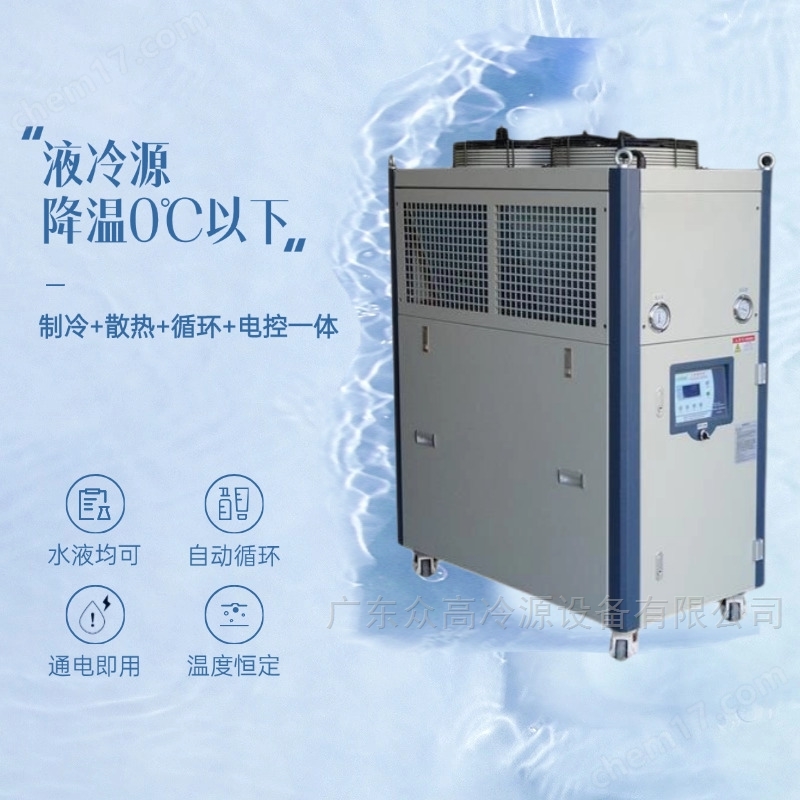

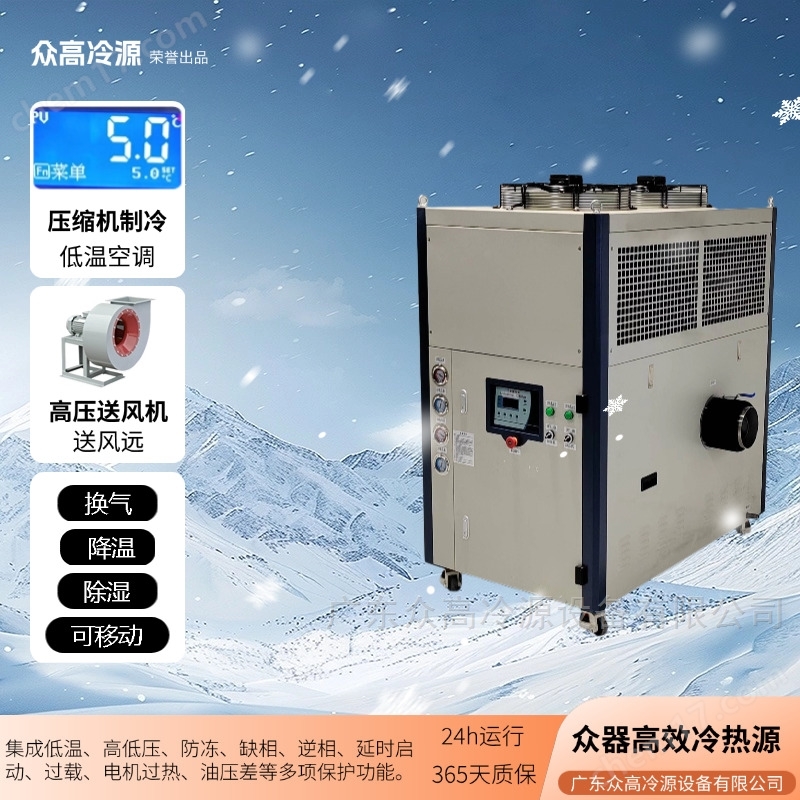

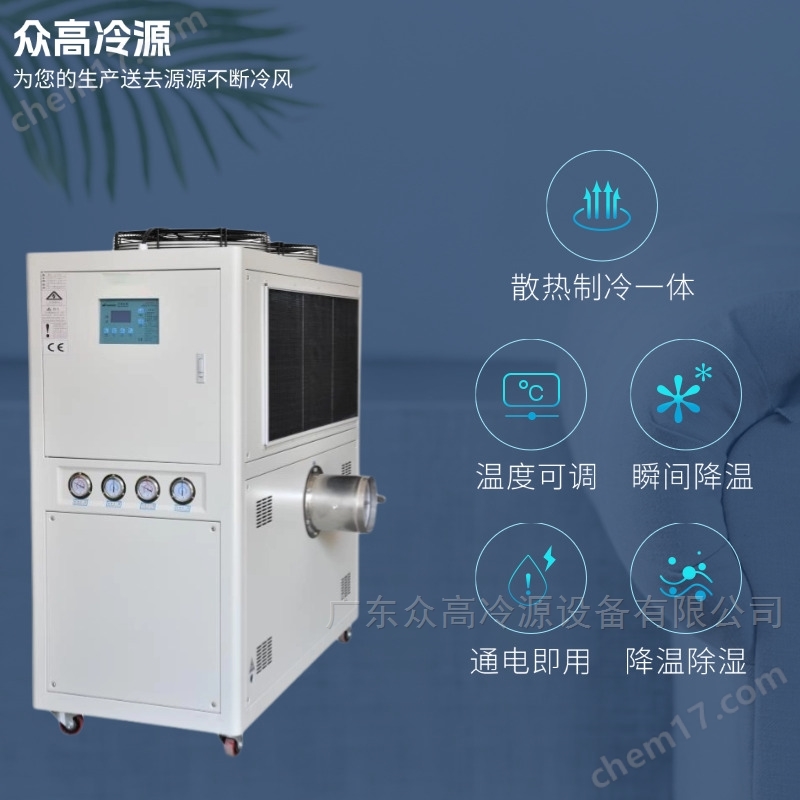
Server cooling method using mobile cold source devices
NegotiableUpdate on 05/07
- Model
- Nature of the Manufacturer
- Producers
- Product Category
- Place of Origin
Overview
In the era of AI big data, data is surging at the speed of a torrent, and CPUs and GPUs serve as the core hubs for data processing, undertaking complex calculations and deep analysis tasks for massive amounts of data. However, as the demand for computing power continues to rise, the heat generated by both during high-intensity work increases sharply, especially in high-temperature scenarios where the ambient temperature exceeds 40 ℃. Traditional heat dissipation methods are often unable to meet the demand. At this point, the mobile cooling source, with its flexible and efficient heat dissipation characteristics, has become a key tool to safeguard the stability of CPU and GPU performance, covering mobile water cooling, liquid cooling, cold air sources, etc
Product Details
In the era of AI big data, mobile cooling sources help CPUs and GPUs cope with high temperature challenges: innovative solutions for heat dissipation, cooling, and cooling
In the era of AI big data, data is surging at the speed of a torrent, and CPUs and GPUs serve as the core hubs for data processing, undertaking complex operations and deep analysis tasks for massive amounts of data. However, as the demand for computing power continues to rise, the heat generated by both during high-intensity work increases sharply, especially in high-temperature scenarios where the ambient temperature exceeds 40 ℃. Traditional heat dissipation methods are often unable to meet the demand. At this point, mobile cooling sources, with their flexible and efficient heat dissipation characteristics, have become a key tool for safeguarding the stability of CPU and GPU performance. They cover multiple forms such as mobile water cooling, liquid cooling sources, and cold air sources, providing new solutions for chip heat dissipation, cooling, and cooling in high-temperature environments.
The vigorous development of AI technology is driving deep learning models to evolve towards more complex and larger directions. For example, large language models in the field of natural language processing need to process billions of parameters and data during the training process, which places strict demands on the computing power of CPUs and GPUs. In high temperature environments, the electron transfer efficiency of transistors inside the chip will significantly decrease, which not only leads to a significant reduction in computing speed, but may also cause data processing errors, and even accelerate chip aging, shortening hardware lifespan.
Traditional heat dissipation methods, such as heat sinks, fans, etc., are only suitable for conventional loads and suitable temperature environments. When the ambient temperature exceeds 40 ℃, the high temperature of the air itself causes a sharp decrease in the efficiency of air cooling and heat dissipation; Although fixed water cooling systems have strong heat dissipation capabilities, their complex pipeline layout and installation limitations make it difficult to adapt to flexible and varied usage scenarios. Compared with it, mobile cooling sources stand out with their dual advantages of flexible deployment and efficient heat dissipation: mobile water cooling and liquid cooling sources directly take away a large amount of heat generated by chips through the circulation of cooling liquid, and the heat dissipation efficiency far exceeds traditional air cooling equipment; The mobile cold air source utilizes a flexible and adjustable air duct design to quickly and accurately deliver cold air to the heating area. They do not require complex installation processes and can be quickly deployed to devices according to actual needs, providing instant heat dissipation, cooling, and cooling support for CPUs and GPUs in high-temperature environments.
Server cooling method using mobile cold source devices
In practical application scenarios, the advantages of mobile cooling sources have been fully demonstrated. In the field of scientific research data processing, researchers need to use AI workstations to analyze data in environments with high temperatures and no fixed heat dissipation facilities. Traditional heat dissipation devices are difficult to meet the needs, while mobile water or liquid cooling sources can quickly remove the high heat generated by CPUs and GPUs through efficient cooling liquid circulation systems; Mobile cold air sources can flexibly adjust wind direction and speed, providing precise cooling for key components. In the data center, when a server in a certain rack experiences abnormal temperature due to high load operation, operation and maintenance personnel can quickly deploy mobile cooling sources in place, whether using liquid cooling sources
Both cooling capacity and the fast response advantage of cold air sources can control temperature in a timely manner, avoiding server downtime caused by local overheating and ensuring the continuity of data processing tasks.
Server cooling method using mobile cold source devices
In the era of AI big data, computing power is the core productivity. As the "heat dissipation guard" for CPUs and GPUs in high-temperature environments, mobile cold sources provide a solid guarantee for the continuous innovation and application of AI technology with their flexible deployment, efficient heat dissipation, and intelligent adjustment characteristics. With the continuous advancement of technology, the mobile cooling system covering mobile water cooling, liquid cooling, and cold air sources will play a more important role in the future computing ecosystem, helping the AI industry steadily move forward in the wave of data and overcome the heavy challenges of heat dissipation, cooling, and cooling in high-temperature environments.
Similar Product Recommend
