- Phone
-
Address
Suzhou Saiji Biotechnology
Product Categories
Suzhou Saiji Biotechnology Co., Ltd


Microfluidic Organ Chip Culture
NegotiableUpdate on 05/07
- Model
- Nature of the Manufacturer
- Producers
- Product Category
- Place of Origin
Overview
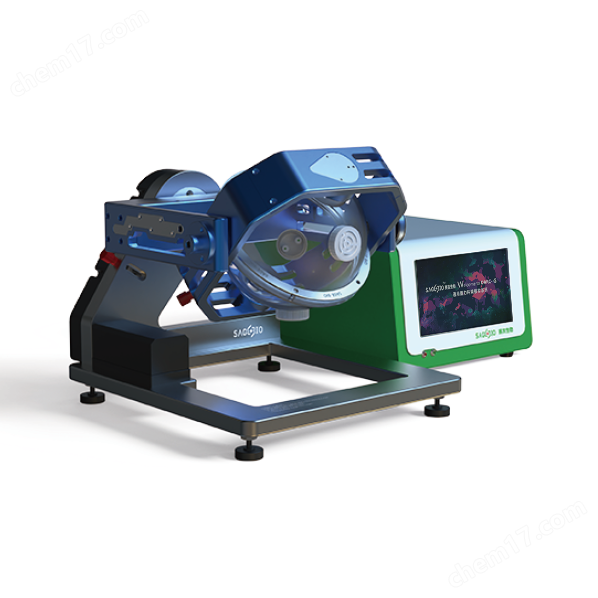
The MFBS organoid chip cultivation system/microfluidic chip cultivation system is another new product series of SEGI Biotech in the field of organoids and microfluidics. This series provides a standard and highly automated organoid chip cultivation chamber, which can achieve controllable and microliter level continuous flow organoid chip cultivation through a matched microfluidic driver module, providing standardized operational options for in vitro organoid chip cultivation based on microfluidic technology. The host of the MFBS organ chip culture system integrates functions such as temperature control, gas concentration control, and automatic loading of chip microchannels, and is equipped with a microfluidic drive module
Product Details
The third-generation automated microfluidic biomimetic organ chip cultivation technology+visualization+cloud storage, real-time photography and video recording, remote real-time access, and free 1-year cloud data storage service (standard space 5G)!
The MFBS organoid chip culture system makes microfluidic technology and chip culture applications more standardized. Based on integrated design and collaborative adaptation capabilities, it provides a stable and controllable culture environment for organoid research. Its combination with SG-SSC liquid supply box simplifies the gas-liquid circuit design, avoiding errors caused by non-standard joints and complex pipelines (gas pipelines, liquid pipelines, etc.). At the same time, through core function integration and automation control, it reduces the operating threshold, improves experimental repeatability, helps researchers focus on core topics, and significantly improves research efficiency and result reproducibility. The MFBS organoid culture system can support multi-channel culture of 1-6 channels depending on the model.
Microfluidic Organ Chip CultureKey Features:
1. Precise microfluidic perfusion, equipped with a microfluidic driver module, achieves continuous flow control at the microliter level, ensuring stable liquid supply flow and avoiding the impact of operational errors (such as errors in complex pipeline connections and uncertainties caused by the pipeline itself) on the experiment;
2. Highly integrated control, the host integrates temperature and gas concentration control and chip automatic loading functions, without the need to build additional complex systems, simplifying the experimental process;
3. Standardized connection design: Adapt to SG-SSC liquid supply box to remove non-standard joints, unify connection methods, and eliminate flow fluctuations caused by variables such as pipeline (gas pipeline, liquid pipeline), liquid pipeline and chip connection tightness;
4. Convenient sterilization operation, coupled with the optimized closed structure of the liquid supply box, simplifies the sterilization process, supports the use of pre sterilized versions, and reduces operational risks and time costs;
5. Biomimetic cultivation ability, linked with SG-CHS stretching chip, can simulate the physiological environment of contracting organs such as lung bubbles and heart, expanding research scenarios;
6. Improve experimental repeatability, standardize gas-liquid circuits and operating procedures, reduce human variables, and make experimental results more consistent across different batches and personnel;
7. Flexible collaborative adaptation, the accompanying micro pressure generation module can be used in combination or independently;
8. Lowering the technological threshold, without complex gas and liquid pathways or connections between liquid pathways and chips, no need for CO2 incubators, automated operation replaces tedious manual assembly, reduces the learning cost of microfluidic technology, and facilitates researchers to quickly get started;
9. 7-inch high-definition touch screen (capacitive touch), all operations can be performed locally, supporting real-time chip photography and video recording, and providing 1 year of free cloud storage service;
Microfluidic Organ Chip CultureApplication Scenario:
1. Research on the function of cardiac organs, simulation of myocardial cell pulsation environment, observation of the effect of drugs on myocardial contraction rhythm, and assistance in the development of arrhythmia drugs;
2. The model of lung injury and repair was constructed, and the relaxation and contraction of pulmonary bubbles were simulated by stretch chip to study the pathological mechanism of COVID-19, pulmonary fibrosis and other diseases;
3. Research on absorption and metabolism of small intestinal organs, simulating intestinal peristalsis and nutrient perfusion, analyzing the absorption efficiency and metabolic pathways of drugs and nutrients in the intestine;
4. High throughput screening of organoid activity, automated batch cultivation (capable of simultaneously conducting 1-10 channels) combined with precise temperature and gas control, to quickly evaluate the activity and toxicity of candidate drugs on organoids;
5. Targeted differentiation culture of stem cells, with a stable microenvironment to ensure their differentiation into specific tissue organs, provides sufficient donors for cell therapy research;
6. Research and development of respiratory disease drugs, construction of bronchial organ models, screening of targeted drugs for asthma and chronic obstructive pulmonary disease;
7. Demonstration of organoid chip teaching, standardized operating procedures suitable for universities and research institutions to conduct microfluidic and organoid technology teaching experiments;
8. Safety assessment of food additives, utilizing intestinal organoid models to efficiently detect the potential impact of food additives on the intestinal mucosal barrier;
9. Research on renal organ filtration function, precise control of perfusion conditions, simulation of renal filtration process, and assistance in the development of kidney disease treatment drugs and dialysis technology;