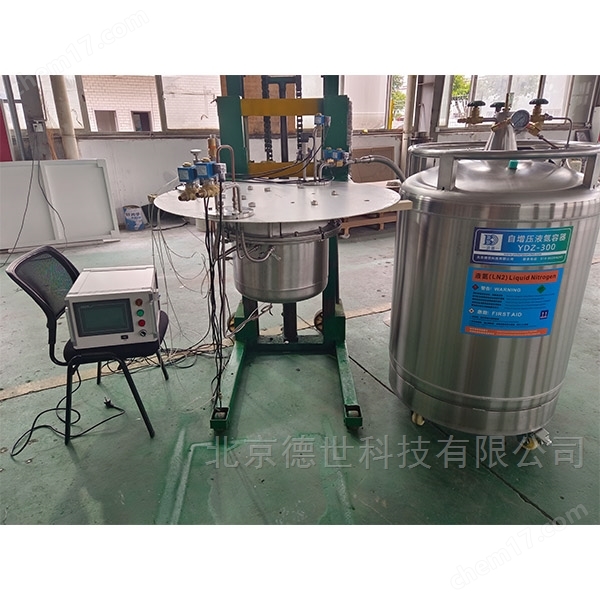
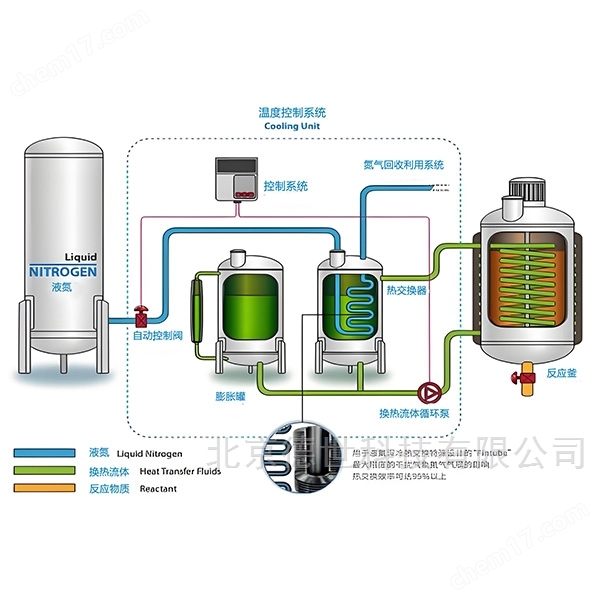
The liquid nitrogen storage and vaporization system of the air separation unit is an efficient industrial system designed around the characteristics of low-temperature liquid nitrogen medium, integrating liquid nitrogen storage, transportation, vaporization, purification, and safety control. The system uses high-purity liquid nitrogen produced by an air separation tower as raw material, and through precise storage, filtration, pressurization, heat exchange, buffering, and distribution processes, converts low-temperature liquid nitrogen into ambient temperature nitrogen that meets the needs of different industries,
Liquid nitrogen storage and vaporization system for air separation unitIt is an efficient industrial system designed around the characteristics of low-temperature liquid nitrogen medium, integrating liquid nitrogen storage, transportation, vaporization, purification, and safety control. This system uses high-purity liquid nitrogen produced by an air separation tower as raw material, and through precise storage, filtration, pressurization, heat exchange, buffering, and distribution processes, converts low-temperature liquid nitrogen into ambient temperature nitrogen that meets the needs of different industries. It provides stable and reliable nitrogen supply for fields such as electronics, fertilizers, coal chemical industry, and steel, with advantages such as high safety, low loss rate, and strong adaptability.
The raw materials for the system areLiquid nitrogen produced at the top of the lower tower of the air separation towerWith a purity of up to 99.999% and a stable temperature of -196 ℃, it is the foundation for ensuring the quality of subsequent nitrogen gas.
Liquid nitrogen transportation adopts150mm diameter stainless steel low-temperature pipelineThe outer layer of the pipeline adopts a dual protection and insulation design: the first layer is a 50mm thick pearl sand insulation layer, which can effectively block the intrusion of external heat and reduce the evaporation loss of liquid nitrogen; The second layer is a 0.5mm thick aluminum protective cover, which can protect the insulation layer from external damage and further enhance the insulation effect.
Pipeline end equipmentpneumatic globe valveThe valve opening degree is automatically adjusted by the PLC system based on the tank liquid level, achieving intelligent flow control. When the liquid level in the storage tank reaches 85%, the valve will automatically close to 30% opening to ensure that the liquid nitrogen delivery flow rate is stable at around 50m ³/h, avoiding safety risks or flow fluctuations caused by high liquid levels that may affect system stability.
Before entering the storage tank, liquid nitrogen must pass throughLow temperature filter with a filtration accuracy of 5 μ mThe filter adopts a copper mesh filter element inside, which can accurately intercept solid impurities such as iron filings and oxide scales remaining during the pipeline welding process.
A certain chemical plant once failed to install the filter, resulting in 1mm diameter metal particles entering the storage tank and blocking the fin channel of the subsequent vaporizer, directly causing a 40% decrease in vaporization capacity. The company had to shut down for 36 hours for cleaning, causing serious economic losses. After installing the filter, only a small amount of gray white powdery impurities were found attached to the filter element during quarterly disassembly and inspection, which did not affect the normal operation of the system and fully demonstrated the critical role of the filtration process in system stability.
The system adoptsVertical low-temperature storage tankAs the core equipment for liquid nitrogen storage, with an effective volume of 500m ³, it can meet the liquid nitrogen storage needs of large-scale and continuous production in enterprises. Its structural design fully considers safety and insulation in low-temperature environments
Tank materialThe inner liner of the tank is made of 06Cr19Ni10 stainless steel, which has excellent low-temperature corrosion resistance and toughness, and can adapt to low-temperature environments of -196 ℃; The outer shell is made of Q345R carbon steel, which has high strength and low cost, providing reliable structural support for the tank body.
Adiabatic designA high vacuum degree of 10 ⁻ Pa is drawn between the inner and outer tanks, and expanded perlite with insulation properties is filled to significantly reduce heat transfer and minimize liquid nitrogen evaporation loss, ensuring long-term stable storage of liquid nitrogen in the tank.
Support and settlement protectionSix sets of stainless steel support legs are installed at the bottom of the tank, and a 30mm thick PTFE plate is placed between each set of support legs and the foundation, which can effectively reduce the compression deformation of the tank caused by foundation settlement and extend the service life of the storage tank.
liquid level monitoringThe top of the storage tank is equipped with a magnetic flap level gauge, with a liquid level display accuracy of ± 5mm, making it convenient for on-site operators to visually check the liquid level; Equipped with a radar level transmitter, the liquid level data can be transmitted in real-time to the monitoring screen in the central control room, achieving remote real-time monitoring and facilitating timely adjustment of liquid nitrogen delivery volume.
Tank pressure control is the core of ensuring system safety, and the normal operating pressure is strictly maintained at 0.5MPa. The specific control measures are as follows:
Safety valve pressure reliefWhen the external environment temperature rises and the liquid nitrogen evaporates, causing the pressure inside the tank to rise to 0.6 MPa, the safety valve at the top of the tank will automatically trip, and the released low-temperature nitrogen will be led to a 30 meter high venting cylinder through the venting pipeline to avoid safety risks caused by nitrogen accumulation at low altitude. The venting pipeline adopts the bending process without right angle bends, which can reduce local resistance and ensure smooth pressure relief; The outer wall of the pipeline is also insulated to prevent low-temperature nitrogen from causing frost on the pipeline and affecting the normal operation of surrounding equipment.
事故警示A certain natural gas processing plant once caused the pressure inside the tank to exceed 0.8 MPa due to inaccurate calibration of the safety valve, resulting in leakage of the flange sealing surface of the tank body. Although emergency depressurization was carried out to prevent the accident from expanding, it also warned the importance of regular and accurate calibration of the safety valve.
Explosive disc backup protectionTo prevent the risk of overpressure caused by the failure of safety valves, the storage tank is also equipped with rupture discs, with a burst pressure set at 0.7 MPa. When the safety valve fails to release pressure normally and the pressure inside the tank continues to rise to 0.7 MPa, the rupture disc will rupture at the moment of overpressure, quickly releasing pressure and protecting the safety of the tank. The bursting disc needs to be replaced once a year, and it must be ensured that the sealing surface is clean and free of scratches during replacement to prevent leakage after replacement.

When liquid nitrogen is needed, the outlet valve at the bottom of the storage tank opens, and the liquid nitrogen enters through the pre pump filterLow temperature liquid nitrogen pumpThe pump is the core equipment for liquid nitrogen pressurized transportation, with specific parameters and operating requirements as follows:
Equipment parametersAdopting a plunger structure, the motor power is 75kW, and the flow rate can be flexibly adjusted within the range of 20-100m ³/h. The maximum outlet pressure can reach 2.5MPa, which can meet the pressure and flow requirements of different downstream users.
Low temperature protection designThe pump body shell is wrapped with a polyurethane foam layer to reduce cooling loss; The shaft seal adopts a corrugated tube mechanical seal, and the sealing surface material is WC Co alloy, which has excellent low-temperature sealing and wear resistance, ensuring no leakage under -196 ℃ working conditions.
Startup Operation SpecificationBefore starting the pump, it is necessary to perform pre cooling. Open the pre cooling valve on the pump body and allow liquid nitrogen to slowly flow through the pump chamber. Only when the temperature of the pump casing drops below -180 ℃ can the motor be started. If not pre cooled according to the specifications, excessive temperature difference may cause deformation of pump components and lead to equipment failure.
The high-pressure liquid nitrogen pumped out from the liquid nitrogen pump first entersplate heat exchangerVaporization is the key step in converting low-temperature liquid nitrogen into room temperature nitrogen gas
Heat exchanger parametersAdopting a brazed plate structure made of 316L stainless steel material, with a single plate area of 0.5 square meters and a total heat transfer area of 80 square meters, it has efficient heat transfer performance; 0.8MPa saturated steam from the steam pipeline is introduced into the high-temperature side, and the heat released by steam condensation heats the liquid nitrogen to room temperature.
temperature controlTemperature sensors are installed on the inlet and outlet pipelines of the heat exchanger. When the outlet nitrogen temperature is below -5 ℃, the steam regulating valve will automatically open to increase the steam supply and ensure nitrogen vaporization.
accident caseA certain coal chemical project once had insufficient heat transfer in the heat exchanger due to steam pressure fluctuations, resulting in insufficient vaporization of -30 ℃ nitrogen gas entering the subsequent pipeline, causing flange gasket freezing and cracking, leading to nitrogen leakage, highlighting the importance of temperature stability control in this link.
Emergency vaporization guaranteeThe system is also equipped withEmergency vaporizerWhen the plate heat exchanger malfunctions and the nitrogen outlet temperature drops below -10 ℃, the steam inlet valve will close and the bypass valve will be opened to allow the insufficiently vaporized gas-liquid mixture to enter the emergency vaporizer. The vaporizer is an air bath type with a total length of 500m for finned tubes. It can use the heat of ambient air to vaporize the remaining liquid nitrogen, ensuring that dry nitrogen enters the downstream pipeline and avoiding damage to downstream equipment caused by low-temperature gas-liquid mixtures.
The vaporized nitrogen entersbuffer tankThe device has a volume of 50m ³ and a design pressure of 2.0MPa. Its main function is to stabilize nitrogen pressure. The specific functions and design are as follows:
Pressure stabilization functionWhen the gas consumption of downstream users suddenly increases, the nitrogen stored in the buffer tank can be replenished in a timely manner to control the pressure fluctuation within ± 0.05MPa and avoid the impact of sudden pressure drops on user production; The top of the tank is equipped with a pressure gauge and a pressure transmitter. When the pressure is below 1.8 MPa, the liquid nitrogen pump will automatically increase speed and increase the gas supply; When the pressure exceeds 2.0MPa, the pump will slow down or stop, achieving automatic pressure regulation.
Corrosion prevention designThe inner wall of the tank is treated with sandblasting to remove the surface oxide layer, and then coated with epoxy zinc rich primer and topcoat, which has excellent anti-corrosion performance and extends the service life of the buffer tank.
The nitrogen gas at the outlet of the buffer tank is divided into two paths, each meeting the needs of users in different industries, and equipped with precise measuring equipment:
High purity nitrogen branchA path of nitrogen gas passes throughprecision filterThe filter is equipped with activated carbon and molecular sieves, which can effectively remove moisture and oil from nitrogen gas, reducing the dew point of nitrogen gas to -70 ℃, meeting the strict requirements of the electronics industry for high-purity nitrogen, and ensuring product quality in the production process of electronic components.
Industrial nitrogen branchAnother route of nitrogen directly enters the main pipeline and is transported to the synthetic ammonia unit of the fertilizer plant as a protective gas to prevent oxidation of raw materials and products during the synthetic ammonia process, ensuring production safety and product purity.
flow measurementBoth pipelines are equipped with vortex flowmeters with a measurement accuracy of ± 0.5%, which can measure the gas consumption of each user in real time and upload the data to the energy management system for enterprises to conduct energy consumption statistics and cost accounting.
The system is equipped with * safety interlock devices, covering key equipment and core links, comprehensively ensuring the safe operation of the system:
Safety protection of liquid nitrogen pumpWhen the bearing temperature of the liquid nitrogen pump exceeds 80 ℃, a shutdown signal will be triggered and the pump outlet valve will be automatically closed to prevent equipment damage or fire accidents caused by dry grinding of the pump body.
Heat exchanger safety protectionWhen the nitrogen outlet temperature of the plate heat exchanger is below -10 ℃, in addition to starting the emergency vaporizer, the steam inlet valve will also be closed to avoid energy waste or equipment abnormalities caused by continuous steam flow.
Tank level safety protectionWhen the liquid level in the storage tank is below 15%, the central control room will issue a low liquid level alarm to remind operators to contact the air separation unit to increase liquid nitrogen production; When the liquid level is below 10%, the system will automatically close the outlet valve to prioritize the normal operation of the air separation tower and avoid chain failures caused by insufficient raw materials.
As the core carrier for medium transportation within the system, the layout and protective design of pipelines directly affect the stability and safety of the system
Principles of ArrangementFollowing the principle of "cold on top, hot on bottom", low-temperature pipelines should be laid overhead as much as possible, maintaining a distance of at least 300mm from high-temperature pipelines to avoid heat transfer from high-temperature pipelines to low-temperature pipelines and reduce liquid nitrogen evaporation losses.
Bracket DesignThe support for low-temperature pipelines adopts sliding supports, allowing the pipeline to move freely when contracting at low temperatures, avoiding stress caused by thermal expansion and contraction leading to pipeline rupture; Wooden blocks are placed between the bracket and the pipeline to prevent direct metal contact and create a cold bridge effect, further reducing the loss of cooling capacity.
Valve selectionThe valves on the pipeline are all low-temperature ball valves, and the valve core material is copper alloy, which has good low-temperature toughness; The sealing surface is made of polytetrafluoroethylene, ensuring flexible switching under low temperature conditions and a leakage rate of less than 1 × 10 ⁻⁶ Pa · m ³/s, ensuring the sealing performance of the system.
高安全性From the safety valve and bursting disc dual overpressure protection of the storage tank, to the temperature and pressure interlock protection of the equipment, and to the low-temperature protection design of the pipeline, the system has formed a comprehensive safety guarantee system, which can effectively avoid safety risks in low-temperature and high-pressure environments.
Low loss rateThrough the design of high vacuum insulation of storage tanks, dual insulation of pipelines, and efficient heat transfer of heat exchangers, the evaporation of liquid nitrogen and the loss of cooling capacity are significantly reduced. A large steel plant has applied this system, and the liquid nitrogen loss rate is controlled below 0.5%, reducing the production cost of the enterprise.
high stabilityThe PLC system automatically adjusts the flow and pressure, stabilizes the pressure in the buffer tank, intercepts impurities in the filter, and works together to ensure stable flow, pressure, and purity of nitrogen supply, meeting the continuous production needs of downstream users.
Strong adaptabilityThe flow rate of the liquid nitrogen pump can be flexibly adjusted, and nitrogen is divided into two outputs: high-purity nitrogen and industrial nitrogen. It can adapt to the needs of different industries such as electronics, fertilizers, and coal chemical industry, and has a wide range of applications.
A large steel plant has self operated theLiquid nitrogen storage and vaporization system for air separation unitSince then, it has achieved continuous operation for 1800 days without any problems, providing stable nitrogen protection for steel rolling, heat treatment and other links in the steel production process, effectively preventing steel oxidation, improving steel quality, and at the same time, low loss rate has also saved a lot of liquid nitrogen procurement and operating costs for enterprises, becoming an important guarantee for stable production and operation of enterprises.