- Phone
-
Address
Room BE156, Building 22, No. 1-30, Lane 88, Minbei Road, Minhang District, Shanghai
Product Categories
Shanghai Xinyu Biotechnology Co., Ltd
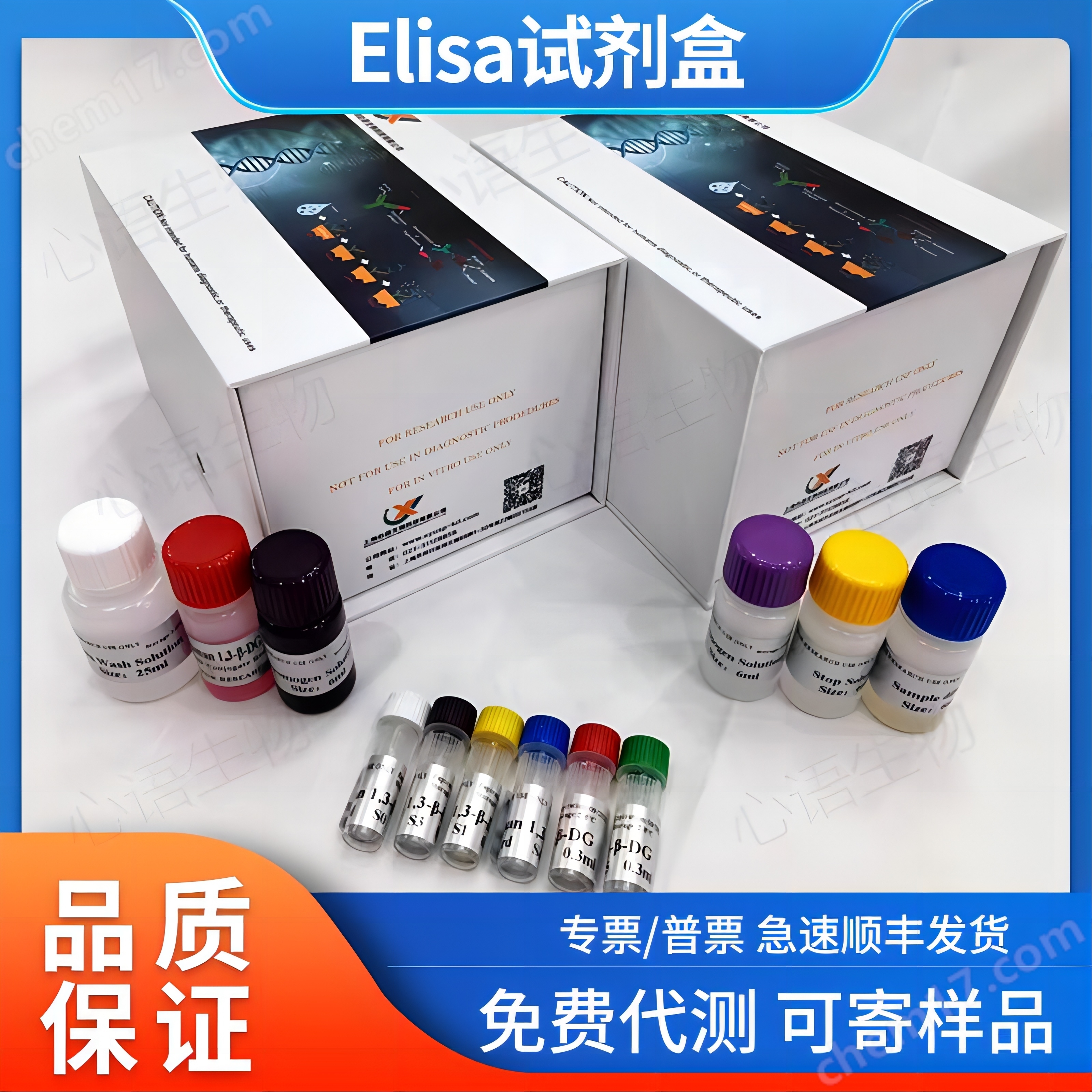


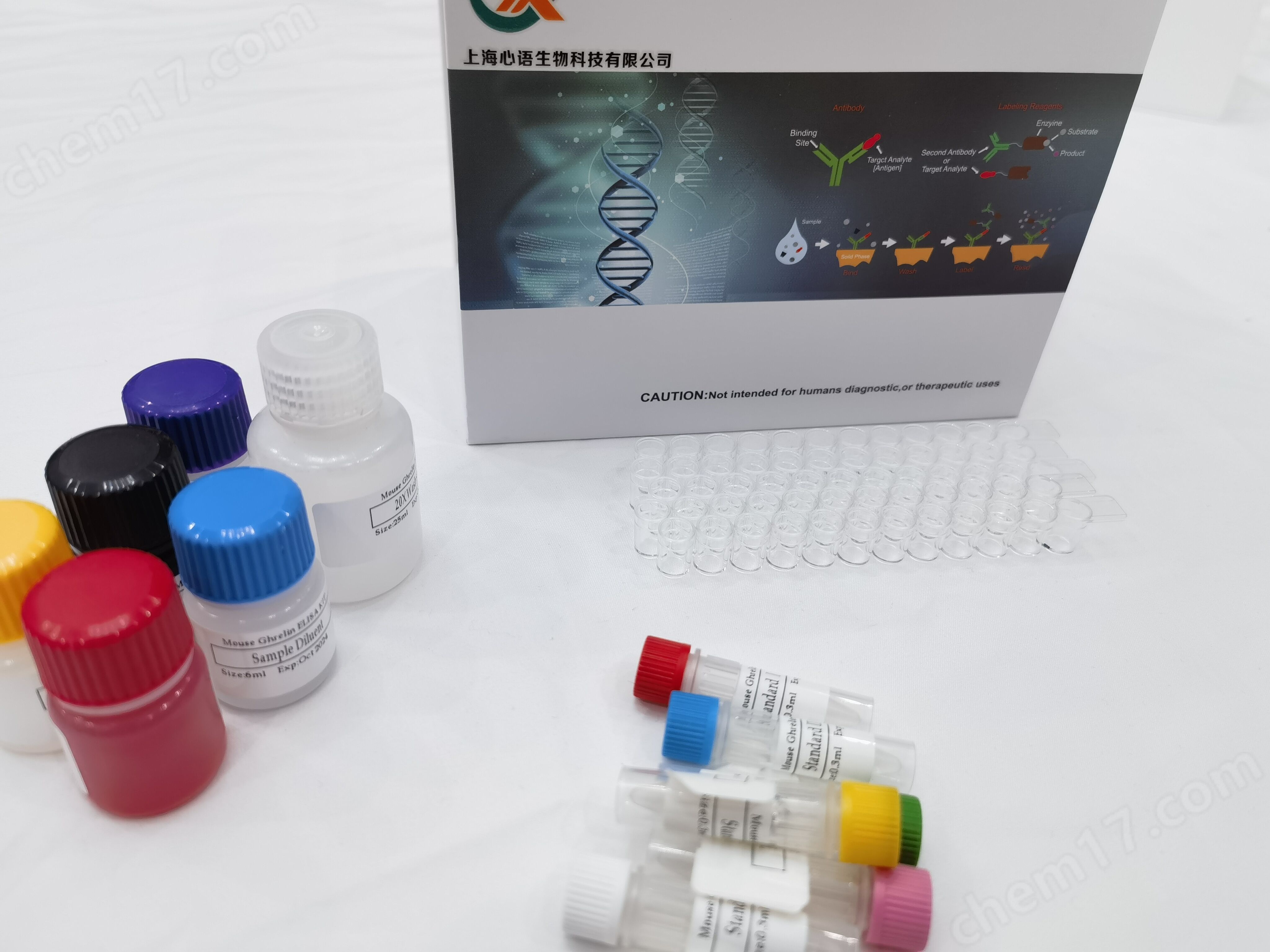

Human complement ELISA kit
NegotiableUpdate on 05/06
- Model
- Nature of the Manufacturer
- Producers
- Product Category
- Place of Origin
Overview
Shanghai Xinyu Biotechnology Co., Ltd. specializes in research and development, with precise detection and high sensitivity! The validation of the human complement ELISA kit by major universities and research institutions has a high citation rate! The development and customization of high-quality scientific research ELISA kits and chemiluminescence kits for biopharmaceutical analysis method validation are only for scientific research use and cannot be used for clinical testing.
Product Details
Accurate detection, insight into life - Shanghai Xinyu Biotechnology Co., Ltd
XinYu BioDetect, your reliable research partner
| project | parameter value |
| testing indicators | Human Red Blood Cell Complement Receptor 1 ELISA Kit |
| brand | XinYu BioDetect |
| Application species | Human, Mouse, Rat, etc |
| Sample Type | Serum, plasma, cell supernatant, tissue homogenate, etc |
| Specification of reagent kit | 48T/96T |
| Storage conditions | 2-8 ° C (unopened) |
| Validity period | 6 months |
| service | ELISA kits are available for free testing, with Elisa experimental technology guidance. |
| Test kit detection range and OD value | Please consult our online customer service for details |
Human complement ELISA kitTypical composition:
A standard ELISA kit typically includes the following components:
1. Pre coated microplate: 96 well or 48 well plastic plate, with pre coated holes to capture antibodies or antigens (depending on the type). This is the place where the reaction occurs.
2. Enzyme linked secondary antibody (or enzyme-linked detection antibody/antigen): Depending on the type of ELISA, provide secondary antibodies labeled with horseradish peroxidase or alkaline phosphatase (for indirect or sandwich methods), or enzyme-linked antigens (for competitive methods).
3. Standard: A gradient solution of antigen (or antibody) series with known precise concentration. Used to draw standard curves and calculate the concentration of the analyte in the sample.
4. Detection of antibodies (sandwich method only): unlabeled antibodies targeting another epitope of the antigen.
5. Sample diluent: used to dilute the sample to match its matrix with the standard and buffer system, reducing non-specific interference.
6. Washing buffer: usually a phosphate buffer containing Tween-20. Used to wash away unbound substances between steps and reduce background interference. Is washing the key to the success or failure of the experiment!
7. Sealing solution: commonly used bovine serum albumin or skim milk powder solution. Used to seal unbound sites on the microporous plate after coating, preventing non-specific adsorption in subsequent steps and reducing background.
8. Substrate solution:
For HRP: commonly used are tetramethylbenzidine or 3,3 ', 5,5' - tetramethylbenzidine.
For AP: commonly used p-nitrophenyl phosphate.
9. Termination solution:
For HRP-TMB: commonly used dilute sulfuric acid solution.
For AP pNPP: commonly used * solution. Used to terminate enzymatic reactions and stabilize the final color.
10. Plate sealing film: Cover the microplate during the incubation step to prevent evaporation and contamination.
11. Instructions: Detailed operating procedures, reagent storage conditions, precautions, expected results, and standard curve drawing methods.
Human complement ELISA kitSample processing and requirements:
1. Serum: Place the whole blood sample collected in the serum separation tube at room temperature for 2 hours or overnight at 4 ℃, then centrifuge at 1000 × g for 20 minutes to obtain the supernatant, or store the supernatant at -20 ℃ or -80 ℃, but avoid repeated freezing and thawing.
2. Plasma: Collect specimens using EDTA or heparin as anticoagulants, and centrifuge the specimens at 2-8 ℃ 1000 × g for 15 minutes within 30 minutes after collection. The supernatant can be collected for detection, or stored at -20 ℃ or -80 ℃, but repeated freezing and thawing should be avoided.
3. Tissue homogenate: Rinse the tissue with pre cooled PBS (0.01M, pH=7.4) to remove residual blood (lysed red blood cells in the homogenate can affect measurement results), weigh the tissue, and cut it into pieces. Mix the shredded tissue with the corresponding volume of PBS (usually in a weight to volume ratio of 1:9, for example, 1g of tissue sample corresponds to 9mL of PBS, the specific volume can be adjusted appropriately according to experimental needs, and records should be kept. Recommend adding protease inhibitors to PBS and grinding thoroughly on ice in a glass homogenizer. To further lyse tissue cells, the homogenate can be sonicated or subjected to repeated freeze-thaw cycles. Finally, centrifuge the homogenate at 5000 × g for 5-10 minutes and collect the supernatant for detection.
4. Cell culture supernatant: Centrifuge at 1000 × g for 20 minutes, take the supernatant for detection, or store the supernatant at -20 ℃ or -80 ℃, but avoid repeated freezing and thawing.
5. Other biological specimens: Centrifuge at 1000 × g for 20 minutes and collect the supernatant for detection.
6. Sample appearance: The sample should be clear and transparent, and suspended solids should be removed by centrifugation.
7. Sample storage: If the sample is collected and tested within one week, it can be stored at 4 ℃. If it cannot be tested in a timely manner, it should be packaged according to a single use amount and frozen at -20 ℃ (tested within one month) or -80 ℃ (tested within six months) to avoid repeated freezing and thawing. Hemolysis of the sample will affect the final test results, so hemolytic samples should not be tested for this purpose.
Related products of human red blood cell complement receptor 1 ELISA kit:
XinYu BioDetect human complement component C1q receptor (C1qR) ELISA kit English name: C1qR
XinYu BioDetect human complement factor P (CFP) ELISA kit English name: CFP
XinYu BioDetect Human Cyclin Dependent Kinase 2 (CDK2) ELISA Kit English name: CDK2
XinYu BioDetect human complement factor I (CFI) ELISA kit English name: CFI
XinYu BioDetect Human Cyclin G2 (CCNG2) ELISA Kit English name: CCNG2
XinYu BioDetect Human Cyclin E1 ELISA Kit English name: Cyclin-E1
XinYu BioDetect Human Cyclin D1 ELISA Kit English name: Cyclin-D1
XinYu BioDetect human complement factor H-related protein 2 (CFHR2) ELISA kit English name: CFHR2
Similar Product Recommend