-
E-mail
360009931@qq.com
-
Phone
13913683786
-
Address
No. 31 Xingdong Road, Wangshan Industrial Park, Wuzhong District Development Zone, Suzhou City
Product Categories
Suzhou Tuoce Instrument Equipment Co., Ltd
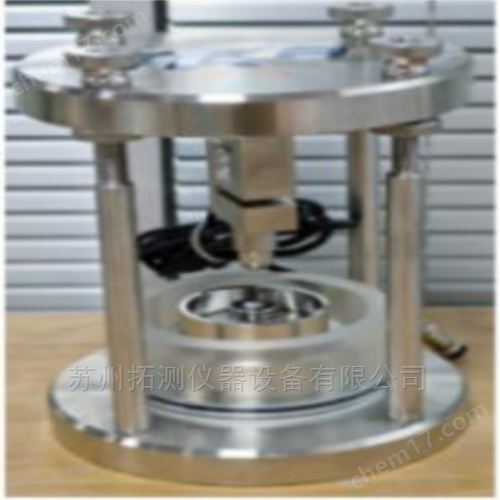
High sensitivity pressure unit
NegotiableUpdate on 01/12
- Model
- Nature of the Manufacturer
- Producers
- Product Category
- Place of Origin
Overview
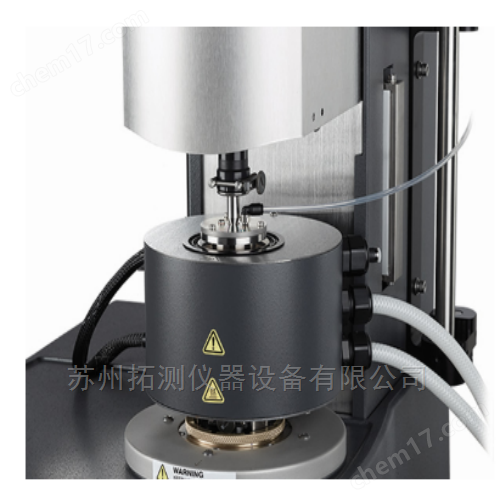
The new high-sensitivity pressure unit (HSPC) suitable for ARES-G2 can comprehensively characterize the viscoelasticity of fluids in a pressurized environment. HSPC is a device that can perform various dynamic oscillation tests on various materials, including low viscosity polymer solutions and structured fluids, under controlled atmospheric pressure. HSPC can provide the pressure (up to 5 bar) and temperature (-10 ° C to 150 ° C) required for viscoelastic characterization; #176; C) Control.
Product Details
High sensitivity pressure unit
New for ARES-G2High sensitivity pressure unit(HSPC)Comprehensive viscoelastic characterization of fluids can be performed under pressurized conditions. HSPC is a device that can perform various dynamic oscillation tests on various materials, including low viscosity polymer solutions and structured fluids, under controlled atmospheric pressure. HSPC can provide pressure (up to 5 bar) and temperature (-10 ° C to 150 ° C) control required for viscoelastic characterization. Traditional pressure units use mechanical bearings, which not only severely restrict low torque sensitivity, but also result in the inability to characterize the viscoelasticity of most samples. HSPC adopts innovative air bearing sealing, which has low torque performance and torque sensitivityHigher than traditional devices100 timesBy utilizing torque sensitivity, users can characterize key material properties of various fluids, such as those related to time, frequency, and strain, under testing conditions representative of processing and usage conditions (such as downhole or extrusion environments).
Features and advantages:
Adopting innovative non mechanical bearing design, the torque sensitivity is increased by 100 times, which can be used to test various fluids including polymer solutions and structured fluids
The low torque sensitivity is extremely low (1 μ N. m), which can be used to characterize low viscosity fluids and weak structural materials.
Rich and diverse dynamic oscillation testing functions can be used to characterize viscoelastic properties related to time, frequency, and strain
Adopting advanced Peltier system (APS), it can stably and accurately control the temperature within the range of -10 ° C to 150 ° C
Can control atmospheric pressure up to 5 bar, supporting simulation of processing and usage conditions over a wide range of working parameter orientations
With the powerful TRIOS software, rheological data and sample pressure can be directly measured and recorded, providing users with a fully integrated experience
-
Easy to use self-aligning design ensures low torque performance for anyone and at any time
application

Characterizing the viscoelasticity of fluids at temperatures above boiling point is quite challenging, with the prominent issue being the loss of volatile components, leading to changes in material composition. Various methods and devices have been adopted to prevent solvent volatilization or evaporation; These methods and devices can delay changes in material composition at higher temperatures, but they no longer work when the temperature is above the boiling point. The pressure testing environment is a deletion method for characterizing the rheological properties of materials under such conditions. Xanthan gum is commonly used as an additive in gel and food applications. In a high-sensitivity pressure unit, a 2.5 wt% solution of xanthan gum was tested, and the temperature was raised from 25 ° C to 120 ° C at a rate of 5 ° C/min. The changes in dynamic modulus (G 'and G ") were measured throughout the entire temperature range, even at temperatures above the boiling point of water. When the temperature is close to 95 ℃, the cross point clearly appears, indicating that the material changes from gel state to liquid like polymer solution. Tracking changes in viscoelasticity and identifying key points of concern such as modulus intersections can provide a deep and comprehensive understanding of the viscoelastic properties of materials under processing or usage conditions.
Similar Product Recommend