-
Phone
18663793751
-
Address
South Industrial Park, Shizhong District, Jinan City
Product Categories
Jinan Shengxin Boiler Co., Ltd

Electric steam boiler
NegotiableUpdate on 03/07
- Model
- Nature of the Manufacturer
- Producers
- Product Category
- Place of Origin
Overview
Working Principle:
Product Details
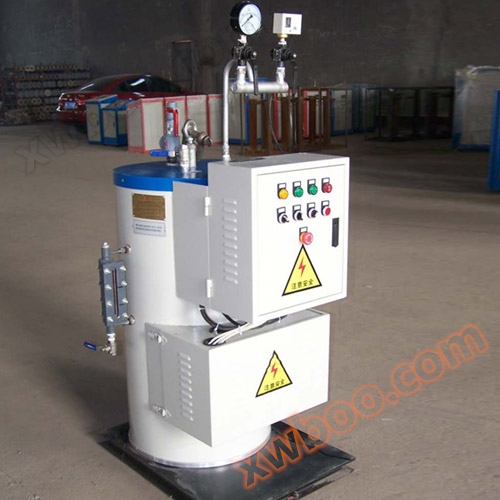
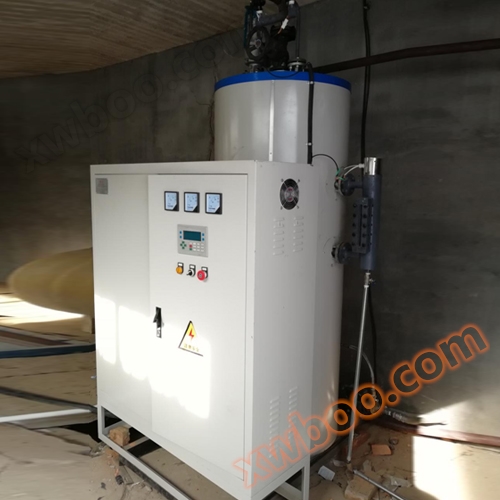
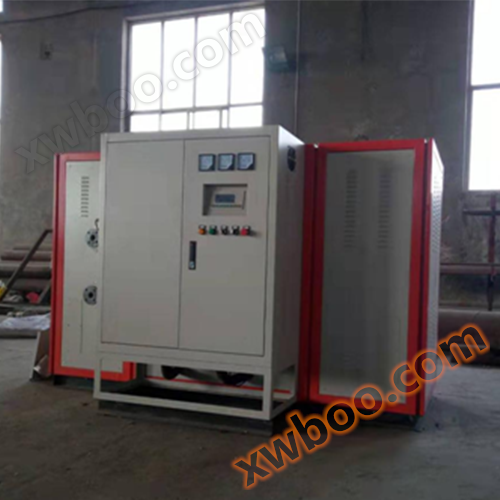
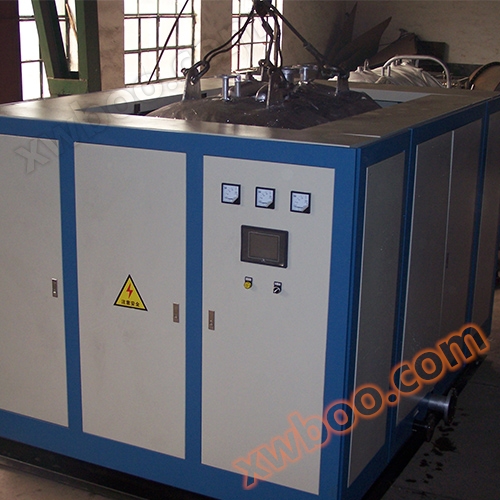
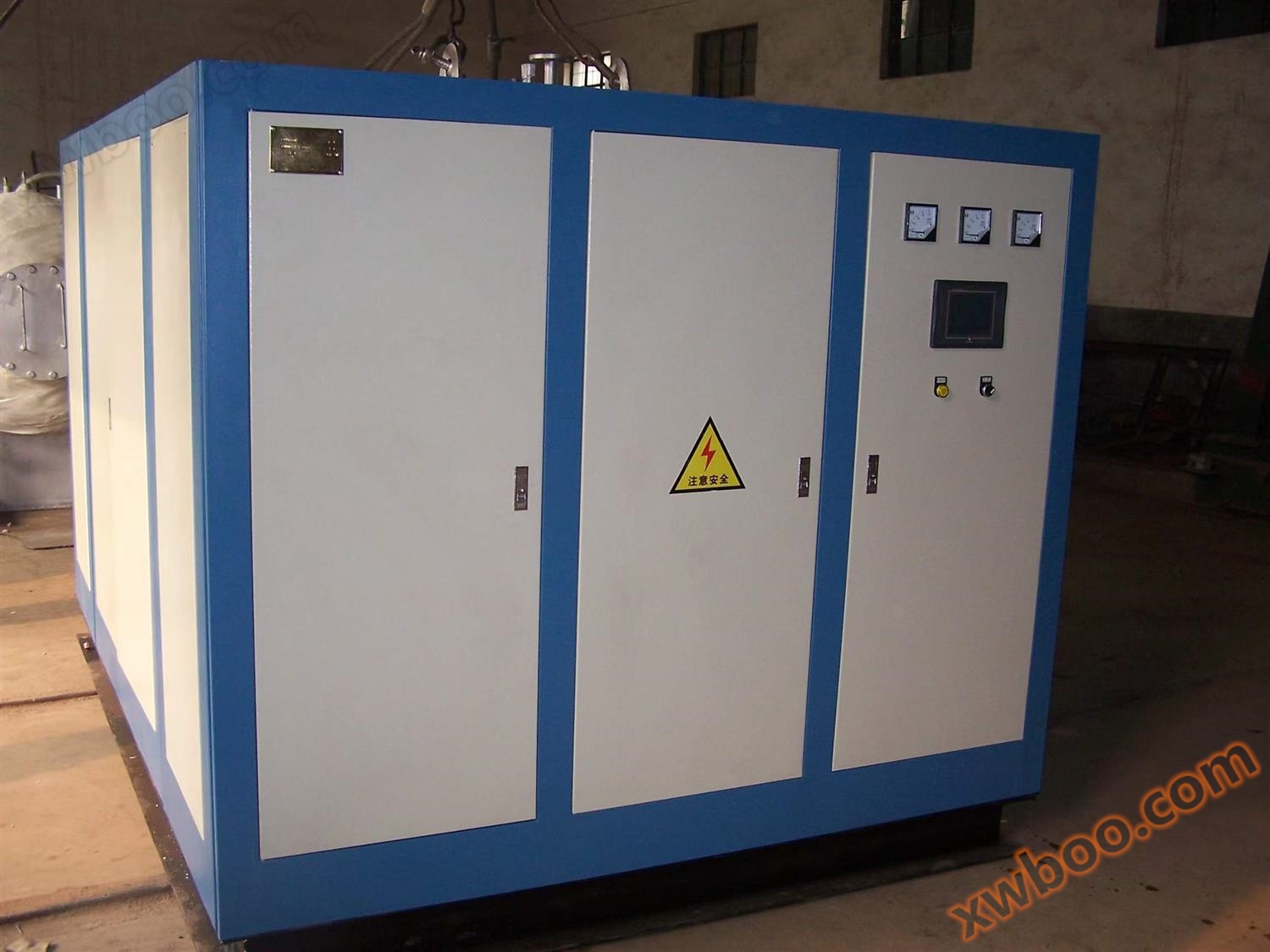
Electric steam boilerIt is a boiler equipment that converts electrical energy into thermal energy to generate steam. Here is a detailed introduction about it:
Working Principle:
electric heatingsteam boilerUsing a metal tubular electric heater to heat water, converting electrical energy directly into thermal energy. After the electric heating tube converts electrical energy into thermal energy, it heats the water in the boiler. When the water reaches its boiling point, it begins to boil and convert into steam. Steam accumulates in the boiler and gradually forms high-pressure steam as the pressure increases. These high-pressure steam are transported through pipelines to equipment that requires heating or driving, completing various industrial production processes.
Main components:
Electric heating tube: It is the core component, usually connected in a triangular manner, with three electric heating tubes connected in a group, covered with a connecting pipe on the outside, and installed on a flange to connect with external electrical equipment. There is an electric heating shield on the outside to ensure the safety and efficiency of the heating process.
Cylinder: It is the main part of the boiler, which completes the heating process of water inside. The cylinder is equipped with an inlet, a hot water (or steam) outlet, a safety valve, a pressure gauge, a wiring panel, and a drain valve.
Water inlet: used to add water to be heated into the boiler.
Steam outlet: Output heated steam.
Safety valve: When the pressure inside the boiler exceeds the set value, it automatically opens to release the pressure and ensure the safe operation of the boiler.
Pressure gauge: displays the pressure value inside the boiler.
Control system: responsible for monitoring the operating status of the boiler, including temperature, pressure and other parameters, and automatically adjusting or issuing alarm signals according to the set values.
Other auxiliary equipment: such as water pumps, water tanks, pipelines, etc., used for water circulation and transportation.
Similar Product Recommend