- Phone
-
Address
2nd Floor, Building 11, Liangzhu International Life Science and Technology Town, No. 368 Tongyun Street, Yuhang District, Hangzhou City
Product Categories
Hangzhou Big Microbial Technology Co., Ltd

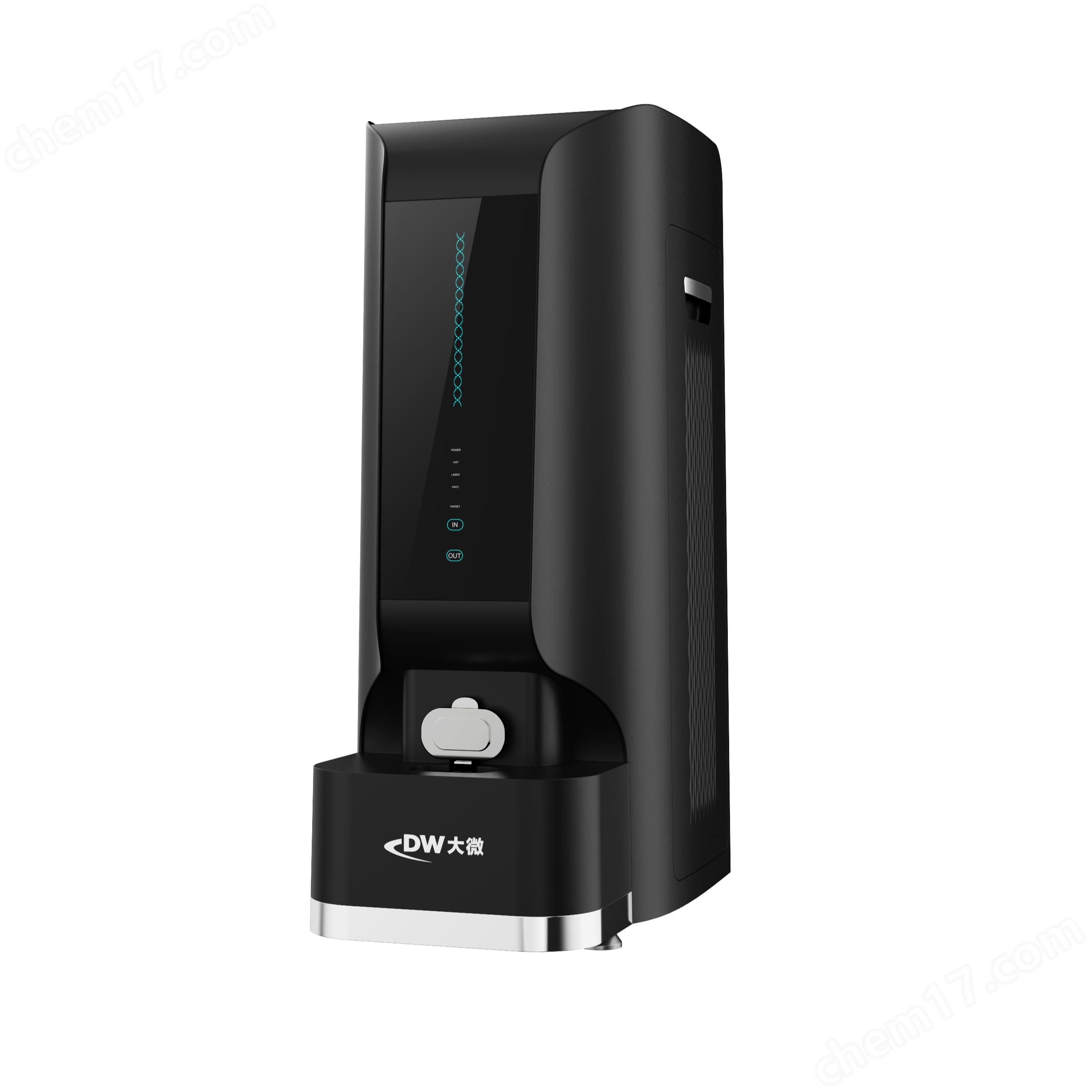
DW-M80 Automatic Microbial Biochemical Identification System
NegotiableUpdate on 05/06
- Model
- Nature of the Manufacturer
- Producers
- Product Category
- Place of Origin
Overview
The DW-M80 automatic microbial biochemical identification system is used for microbial biochemical identification and analysis of various types of samples, achieving automation and standardization of bacterial identification and quantification of antibiotic susceptibility testing; Used for the isolation and identification of foodborne pathogenic bacteria (including Campylobacter, Escherichia coli, Salmonella, Shigella, Streptococcus, fungi, non fermenting bacteria, anaerobic bacteria, Vibrio parahaemolyticus, Escherichia coli, Enterococcus, and other pathogenic bacteria) required by the national food safety standard GB4789 series; Used for the analysis of drug resistance of foodborne pathogens as required by the National Foodborne Disease Surveillance Manual
Product Details
Product Introduction:
DW-M80 Automatic Microbial Biochemical Identification SystemCapture the biochemical phenotype characteristics of bacteria and identify microorganisms through biochemical reaction principles, including enzyme substrate reactions, sugar utilization reactions, assimilation reactions, amino acid experiments, etc. The system integrates microbial numerical coding biochemical identification technology andDWMicrobial laser transmission colorimetry and scattering turbidity method provide real-time microbial identification reports, making your microbial identification experiments more accurate, convenient, and fast.
This product can be used for national standards of microbiological testing for food safetyGB4789Identification of foodborne pathogenic bacteria isolates required by the series and pathogenic bacteria identification required by the Chinese Pharmacopoeia; It has been widely used in microbiology laboratories such as market supervision and management departments, customs entry and exit inspection and quarantine, disease prevention and control, food safety, pharmaceuticals, veterinary medicine, fisheries and aquaculture.

Workflow:

Main standard accessories:

Product Advantages:
1Large database: including strain information database2000More than one species, capable of biochemical identification of foodborne pathogenic bacteria and clinical pathogenic bacteria500Plant above.
2Reliable results: consistency of bacterial biochemical identification95%above; Compliance rate of drug sensitivity test results95%The above.
3Supporting gene identification software: The system can be equipped with an online version of whole genome sequencing identification softwareMicrobeTrackerAs a supplement to traditional biochemical identification methods, systematic analysis and identification reports are conducted on the genome sequences of isolated strains of rare and difficult bacteria that are difficult for users to identify.
4Easy to operate: The Chinese interface is equipped with an intelligent identification expert system that can automatically identify abnormal bacterial phenotypes.
5Easy to use:1The block reagent plate can complete identification experiments and drug sensitivity tests.
6、Flexible customization: For special needs, drug susceptibility test plates can be specially customized (such as animal husbandry, aquaculture, and disease control institutions).
technical parameters:
1Purpose of the instrument: Used for microbial biochemical identification and analysis of various types of samples, achieving automation and standardization of bacterial identification and quantification of antibiotic susceptibility testing; Used for national food safety standardsGB4789Isolation and identification of foodborne pathogenic bacteria required by the series.
2Scope of testing: including strain information database2000More than one species, qualitatively and biochemically identifiable foodborne pathogenic bacteria and clinical pathogenic bacteria500More than one species, can be quantitatively tested200Sensitivity to more than one drug/MICtesting. The system can be upgraded with an online version of whole genome sequencing data gene identification software as a supplement to traditional biochemical identification methods.
3Detection principle: based on the principle of biochemical reaction(Including enzyme substrate reactions\\Sugar utilization reaction\\Assimilation reaction\\Amino acid experiments, etc)Capture the biochemical phenotype characteristics of bacteria and identify microorganisms.
4Reliability: Consistency of bacterial biochemical identification95%above; Compliance rate of drug sensitivity test results95%The above.
5Appraisal speed:18-24Hours, some rapidly growing bacteria6-8Completed within hours. Measurable per hour30More than one microbial specimen.
6Identification and drug susceptibility test plates:
6.1 matching96Biochemical identification and drug sensitivity test reagent Flat noodles of pore bacteria, each plate contains identification functional area and drug sensitivity functional area. The identification functional area has passed24Biochemical reactions can identify bacteria to species in one go; The drug sensitivity functional area can provide information for each test20More than one antibiotic susceptibility test result, each drug can be tested3Dilute the concentration by multiples and report the inhibitory concentration(MIC).
6.2 Optional matching identification reagent plate, covering Gram negative bacteria, Gram positive bacteria, fungi, etc; Divided into Escherichia coli plates, non fermenting bacteria plates, Staphylococcus plates, Streptococcus plates, Enterococcus plates, and Escherichia coli plates/Streptococcus plates, Micrococcus plates, Positive Bacteroidetes plates, Negative Bacteroidetes plates, Hemophilus plates, Vibrio plates, Campylobacter plates, etc;
7Easy to upgrade: The system can upgrade the authentication software and add built-in features>4000A gene identification software based on whole genome sequencing data is used to identify bacterial species, thereby adding gene identification methods as a supplement to traditional biochemical identification methods.
8Instrument working environment: ambient temperature10~40℃Relative humidity≤85%Atmospheric pressure80~106KpaPower supply: AC220V±22V,50HZ±1HZ.
9System configuration: Host (tester)1Platform: a detector for accurately detecting the absorbance and absorbance values of each micropore in the reagent plate; control system1Set: High performance computer host(4GMemory500GHard drive)17Inch LCD display, keyboard, mouse, etc; System analysis software1Set: Bacterial biochemical identification and analysis software.
10After sales service requirements: Provide original factory after-sales engineers for on-site installation and provide a commitment letter for original factory after-sales service.
Application direction:
DW-M80 Automatic Microbial Biochemical Identification SystemCan be used for national standards of microbiological testing for food safetyGB4789Identification of foodborne pathogenic bacteria isolates required by the series and pathogenic bacteria identification required by the Chinese Pharmacopoeia; It has been widely used in microbiology laboratories such as market supervision and management departments, customs entry and exit inspection and quarantine, disease prevention and control, food safety, pharmaceuticals, veterinary medicine, fisheries and aquaculture.
Similar Product Recommend