-
E-mail
2084143512@qq.com
-
Phone
18117403825
-
Address
Haier Zhigu, Guangfulin East Road, Songjiang District, Shanghai
Product Categories
Shanghai Baosheng Industrial Development Co., Ltd
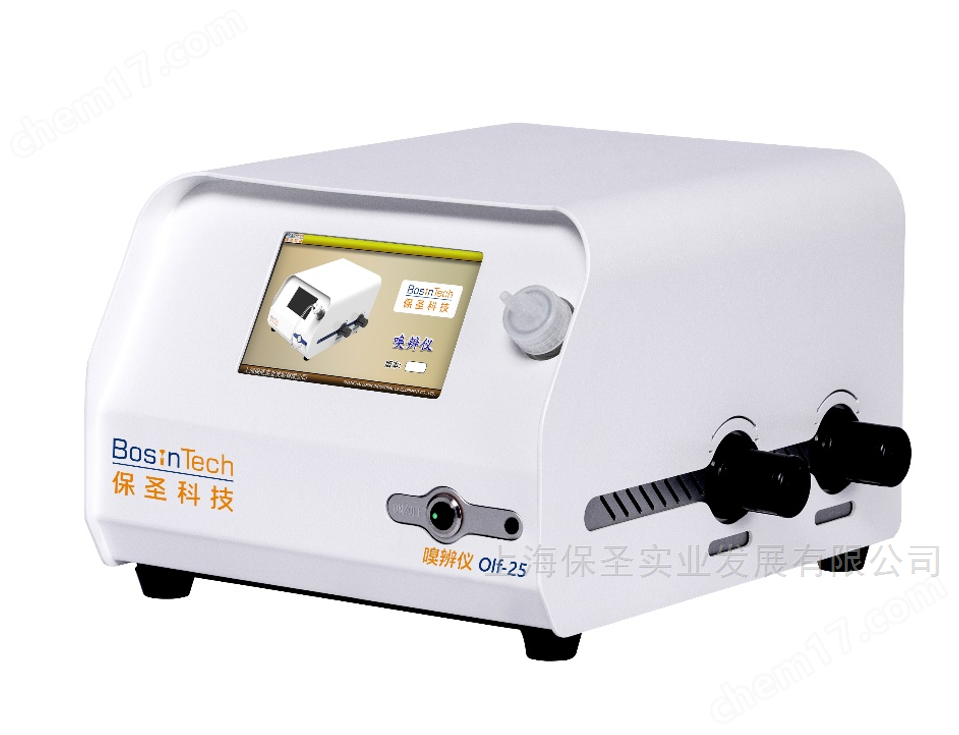
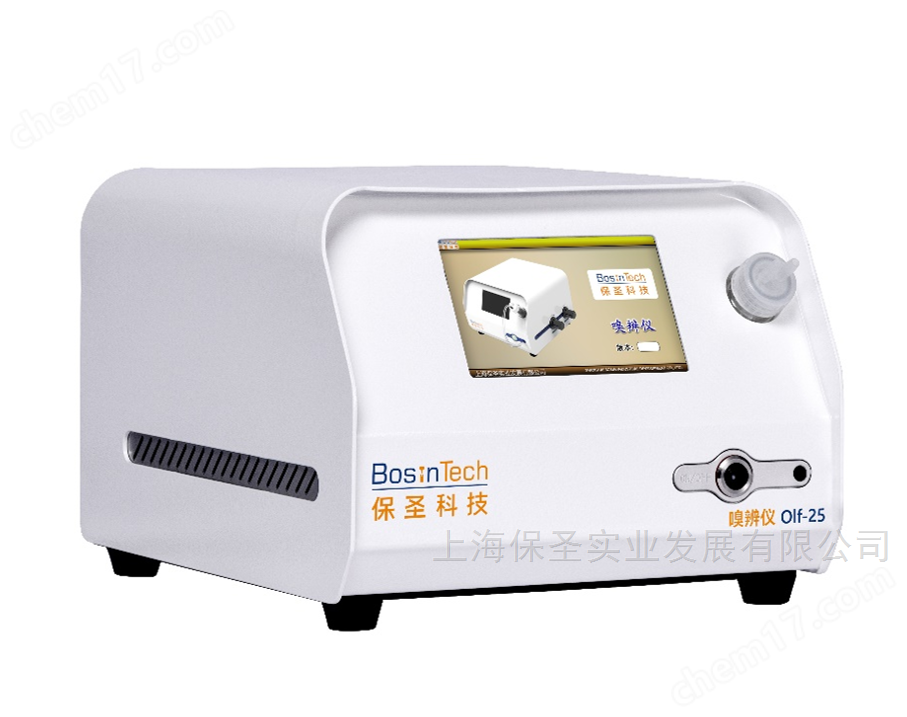
Comprehensive flavor analysis system GC-O-MS
NegotiableUpdate on 12/25
- Model
- Nature of the Manufacturer
- Producers
- Product Category
- Place of Origin
Overview
GCOMS (Gas Chromatography Olfactometry Mass Spectrometry) is a combined technique of gas chromatography (GC), olfactometry, and mass spectrometry (MS), widely used for the analysis of flavor compounds in food, spices, cosmetics, and other fields. It can not only separate and identify volatile compounds, but also determine their contribution to flavor through sensory evaluation.
Product Details
GCOMS(Gas ChromatographyOlfactometryMass Spectrometry)It is a combination of gas chromatography(GC)Olfactory detection(Olfactometry)And mass spectrometry(MS)The combination technology is widely used in the analysis of flavor compounds in fields such as food, spices, cosmetics, etc. It can not only separate and identify volatile compounds, but also determine their contribution to flavor through sensory evaluation.
Principles and processes
1. gas chromatography(GC)
Separate volatile compounds from the sample.
By chromatography column and carrier gas(Like helium gas)Implement separation.
2. smell test(Olfactometry)
The compounds separated by chromatography are passed through a splitter, with a portion entering the mass spectrometer and another portion entering the sniffing port.
The sensory evaluator sniffes the odor through their mouth and records the characteristics and intensity of the odor.
3. mass spectrometry(MS)
Identify the separated compounds and provide molecular weight and structural information
instrument composition
1. gas chromatograph
Chromatography column: commonly used capillary column(asDB5).
Injection system: liquid or headspace injection.
2. shunt
Divide the effluent into two parts and enter the mass spectrometer and sniffing port respectively.
3. Sniffing port
Equipped with a humidification device to prevent sensory evaluators from experiencing dry nasal passages.
4. mass spectrometer
Common electron bombardment ion sources(EI)And quadrupole mass analyzer.
sample pretreatment
1. Extract volatile compounds
Headspace injection(HS)Suitable for high volatility compounds.
Solid-phase microextraction(SPME)Adsorption of volatile substances through fibers.
Solvent extraction: using organic solvents(Like dichloromethane)Extract.
2. Concentration and Purification
Concentrate low concentration samples(Like nitrogen blowing).
Remove interfering substances(Such as fat and protein
data analysis
1. Odor activity value(OAV)
Calculate the ratio of compound concentration to its olfactory threshold and evaluate its contribution to flavor.
2. Dilution analysis of aroma extract(GRUNTS)
Determine key aroma compounds by gradually diluting the sample.
3. Mass spectrometry database matching
useNISTIdentify compounds in the mass spectrometry library.
Application field
1. Food Science
Analyze key aroma compounds in food(Such as coffee, wine, dairy products).
Study the influence of processing technology on flavor.
2. Spices and cosmetics
Identify the key components in spices.
Evaluate the stability and release characteristics of essence.
3. Environment and Tobacco
Analyze odor substances in the environment.
Study the aroma components produced by tobacco combustion.
Advantages and limitations
1. advantage
Combining sensory evaluation and chemical analysis, comprehensively analyze the flavor.
High sensitivity and high resolution.
2. 局限性
Sensory evaluation is influenced by individual differences.
Sample pre-treatment is complex and may result in loss of volatile substances.
research hotspot
1. New sample pretreatment technology
Develop more efficient extraction and concentration methods(Like dynamic headspace extraction).
2. Multi group collaborative technology
Combining metabolomics and genomics to study the molecular mechanisms of flavor formation.
summary
GCOMSIt is a powerful flavor analysis tool that combines chemical analysis and sensory evaluation, widely used in fields such as food and spices. In the future, with the advancement of sample pretreatment technology and data analysis methods,GCOMSWill play a greater role in flavor research.

