-
E-mail
yiyuntiant@163.com
- Phone
-
Address
No. 2, 7th Floor, Building 10, Rundongsheng Industrial Park, Xixiang Street, Bao'an, Shenzhen
Product Categories
- flue gas analyzer
- Portable gas detector MS400-S
- Multi functional gas analyzer PTM600-S
- Single gas detector MS104K-S1
- Single gas detector MS104K-L
- Four in one gas detector MS104K-M
- Low power gas detector MS104K-S
- Restricted Space Online Monitoring PTM600-S
- Hydrogen sulfide detector
- Conventional gas detector
- Five in one gas detector MS500
Shenzhen Yiyuntian Electronics Co., Ltd


Brand of online hydrogen sulfide analyzer
NegotiableUpdate on 01/11
- Model
- Nature of the Manufacturer
- Producers
- Product Category
- Place of Origin
Overview
The calibration of the hydrogen sulfide online analysis instrument brand $r $n $r $n begins, waiting for the calibration gas to enter the nitrogen oxide analyzer. When a certain value is reached, the nitrogen oxide analyzer controller in the central control will emit an alarm sound. At this time, we press the reset button to cancel the alarm. After the alarm is cancelled, remove the calibrated gas hood and close the switch valve of the container containing the standard gas.
Product Details
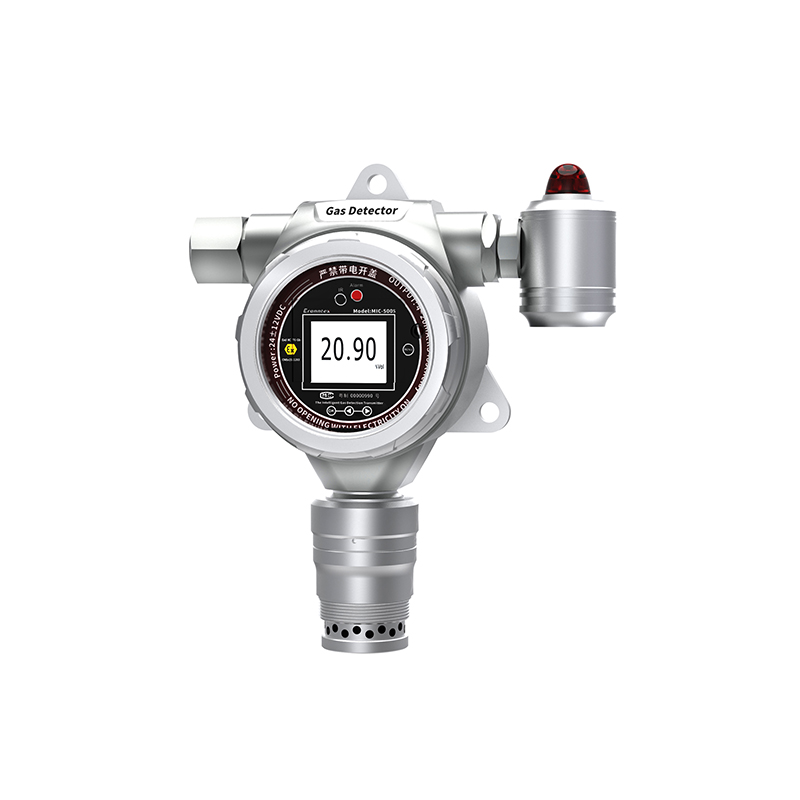
We know that hydrogen sulfide gas is very dangerous, not only can it explode, but it is also toxic. Therefore, in order to detect hydrogen sulfide, it is necessary to pursue fast and accurate detection. The only way to meet the conditions is to use a hydrogen sulfide detector. However, calibration is required before using a hydrogen sulfide detector, so how should the calibration of the hydrogen sulfide detector be done? Regarding this issue, the editor of Yiyuntian will now provide a detailed introduction for everyone.
1、 Range calibration of hydrogen sulfide detector
Firstly, the range of a gas detector is an inherent property of the instrument and cannot be changed. Generally, the range of a combustible gas detector is 0-100% LEL, but it cannot be the same. For actual situations, please refer to the information provided by the manufacturer.
Secondly, sensors from different manufacturers of hydrogen sulfide detectors have different response coefficients for different gases during hydrogen sulfide calibration, which should refer to the values provided by the manufacturers.
Thirdly, the hydrogen sulfide calibration gas you have on hand does not have a relevant concentration unit. Is it 2.5% VOL (volume ratio) or 2.5% LEL (lower explosive limit)? The difference between the two is significant, and the lower explosive limit of hydrogen sulfide is: lower explosive limit% (V/V): 5.3.
a, If you are a hydrogen sulfide calibration gas with a volume ratio of 2.5% VOL, then convert it to 2.5% VOL=47% LEL, and set the value to 47 during calibration.
b, If you are using 2.5% LEL (lower explosive limit) hydrogen sulfide calibration gas, you can simply set it to 2.5 when calibrating (such low concentration calibration gas should be relatively rare, so this possibility is unlikely).
2、 Pre mixed calibration method
The method of pre mixing calibration gas is a popular method for gas sensor calibration. Pre mixed calibration gases can be compressed and stored in gas cylinders at a certain pressure. The size of these bottles can be arbitrary, but during on-site calibration, people prefer small and lightweight gas cylinders. These small and portable gas cylinders can be divided into two categories: low-pressure and high-pressure gas equipment. Low pressure gas cylinders with thin walls and light weight are usually non recyclable and disposable. High pressure gas cylinders are designed for pure hazardous chemicals.
For calibration gases, these gas cylinders typically have thick walls and can withstand a pressure of 2000psi. In order to calibrate the sensor and allow high-pressure gas to flow out of the high-pressure cylinder, a pressure regulator is required. It consists of a pressure controller, a pressure gauge, and a flow restriction hole. A flow restriction hole is a very small linear hole that allows a certain amount of air flow under a given pressure. During the calibration process, some sensors require humidity to obtain appropriate readings. This humidification process is the same as the sensor zero setting.
Regarding Yiyuntian:
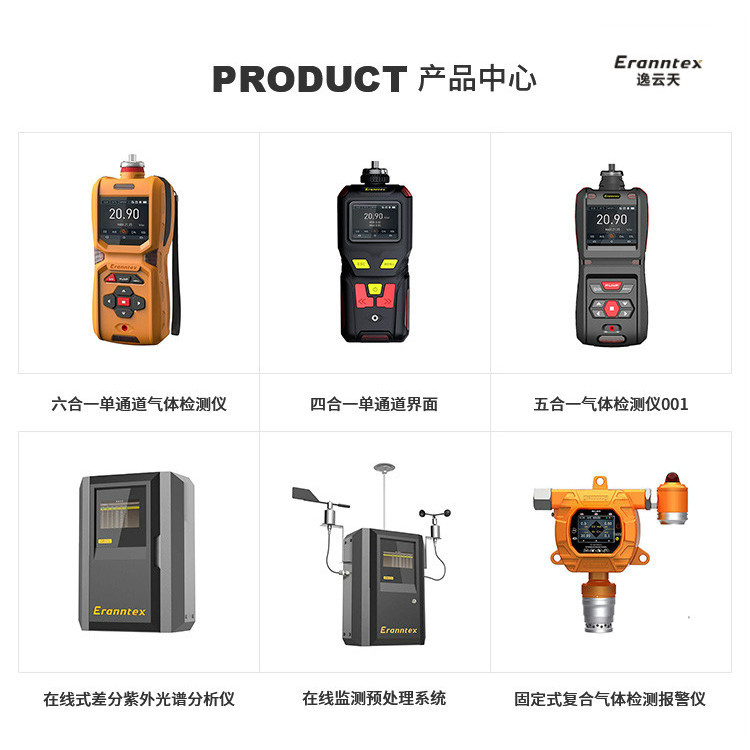
Shenzhen Yiyuntian Electronics Co., Ltd. was established in early 2006 and is an enterprise that integrates design, research and development, production, and sales. We can provide products such as toxic, harmful, flammable and explosive gas detection and alarm devices, gas analyzers, gas online monitoring and pretreatment systems, TVOC online monitoring systems, differential ultraviolet spectroscopy gas analyzers, and environmental safety supervision gas monitoring cloud platforms. Yiyuntian has passed ISO9001 quality management system certification, IS014001 environmental management system certification, and CCEP China environmental protection product certification; And obtain the corresponding product explosion-proof certificate, CPA type approval certificate, CMC measurement license, software copyright registration certificate, etc. Our company's products have been widely used in industries such as petroleum, chemical, gas transmission and distribution, warehousing, municipal gas, fire protection, environmental protection, metallurgy, biomedicine, energy and power, and have been unanimously recognized by our customers.