- Phone
-
Address
Huirong Wansheng Technology Industrial Park, No. 9 Nanguandu Road, Yuexi Street
Product Categories
Suzhou Siqi Electronic Technology Co., Ltd
Automated testing system
NegotiableUpdate on 05/20
- Model
- Nature of the Manufacturer
- Producers
- Product Category
- Place of Origin
Overview
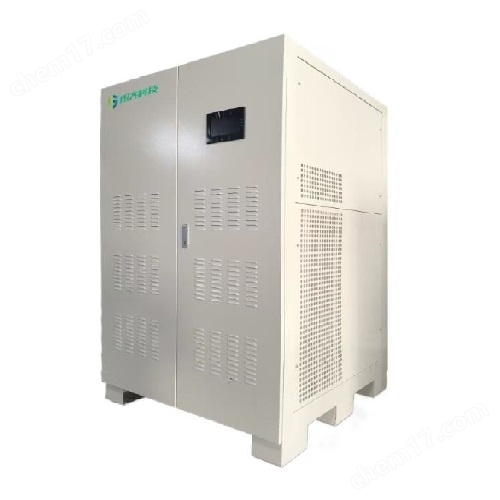
The SQ-ATS automated testing system is a universal testing system that integrates testing power supplies, data acquisition devices, switching systems, and other components.
Product Details
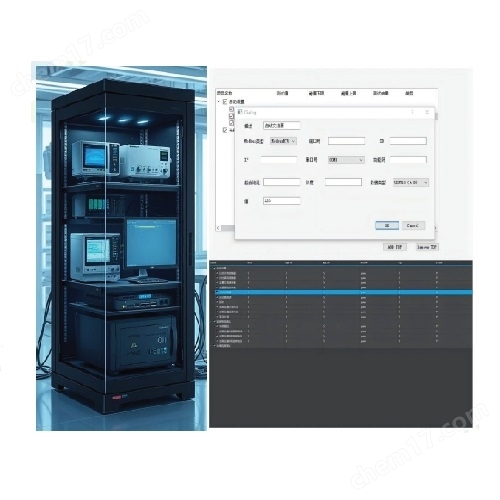
SQ-ATSAutomated testing systemIt is a universal testing system that integrates testing power supplies, data acquisition devices, switching systems, and other components. By coordinating and controlling the testing power supply, data acquisition device, and switching system within the system, the performance testing of the tested product is automatically completed. The control of each device within the system is achieved through software issuing instructions, replacing the original testing method of manually operating equipment and recording data. This improves testing efficiency and reliability of testing data.
SQ-ATS completes performance testing of the tested product through automated operations, automatically generating test reports and defect analysis reports. It has an open framework and can be compatible with any testing object by adding testing equipment and instruments. It can also customize testing items and processes. Mainly used in production line testing and third-party laboratory testing scenarios.
SQ-ATSAutomated testing systemKey Features:
(1) Automated testing: Conduct automated testing based on domestic and international standards or customer enterprise standards, complete the entire testing process according to the built-in script process, and automatically generate test reports;
(2) Custom testing process: Provide a professional testing execution engine that supports customers to customize complex testing sequence orchestration, branch jumping, looping, error handling, user interaction, skipping/retry, etc., to meet diverse testing logic requirements;
(3) High integration: Integrating various traditional desktop instrument functions into a compact chassis, significantly saving laboratory or production line space, simplifying connections, and solving cable clutter problems;
(4) Excellent openness: Following mature industrial standards (GPIB, USB, PCIe, RJ45, etc.), supporting mainstream industrial protocols such as Modbus and SCPI, ensuring that hardware devices from different manufacturers can work together and be easily integrated into existing testing environments;
(5) Compatibility: The hardware adopts a modular design, which facilitates flexible addition and removal of instrument modules (digital multimeter, oscilloscope, power supply, switching unit, communication interface card, etc.) according to testing needs, and supports future upgrades and functional expansion;
(6) Flexible report customization capability: Provides * report editing tools that can automatically create standardized and customizable test reports, including pass/fail results, measurement data, sequence logs, etc., to meet different audit and traceability requirements;
(7) Good maintainability: Modular hardware and structured software design make it easy to diagnose, isolate, and replace individual module failures (with better support for hot swapping), reducing system downtime. Clear system logs and diagnostic information also accelerate the maintenance process;
(8) Reliable security: The system architecture provides role management and permission control mechanisms to ensure that only authorized personnel can access, modify, or execute specific testing programs, configurations, or data, meeting enterprise security compliance requirements;
(9) Unified development management platform: providing an integrated software environment, through self-developed development framework, the entire process control of testing program development, debugging, execution control, data management, report generation, etc. can be carried out in the integrated software environment, reducing tool switching and improving development efficiency;
(10) Automated data management and analysis: The software system automatically collects, stores (databases/files), processes, and analyzes massive amounts of test data, automatically generates failed data files when testing fails, and has built-in data analysis tools to quickly locate the root cause of problems;
(11) MES system integration: Provides interfaces for seamless integration into MES systems, enabling automated triggering of testing processes, result feedback, and defect tracking;
(12) Friendly human-machine interface: Developed using C/C++/C #, the testing process information and results are visualized, intuitive, and clear.
Similar Product Recommend