-
E-mail
18083798558@163.com
-
Phone
18101455820
-
Address
Liubao Industrial Park, Yangzhou City, Jiangsu Province
Product Categories
Jiangsu Ruyan Busbar Manufacturing Co., Ltd


Air type bus duct connection is convenient
NegotiableUpdate on 12/19
- Model
- Nature of the Manufacturer
- Producers
- Product Category
- Place of Origin
Overview
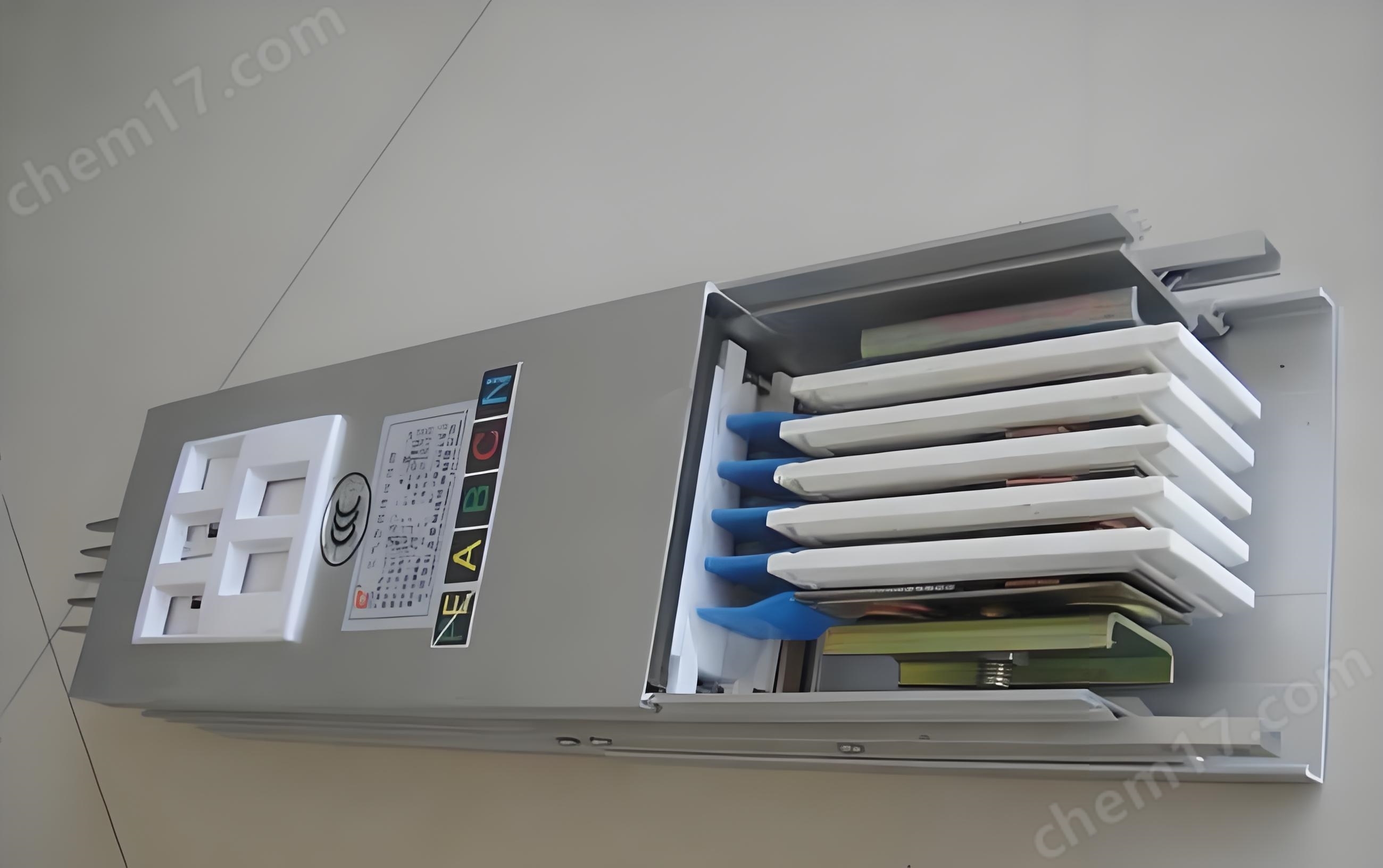
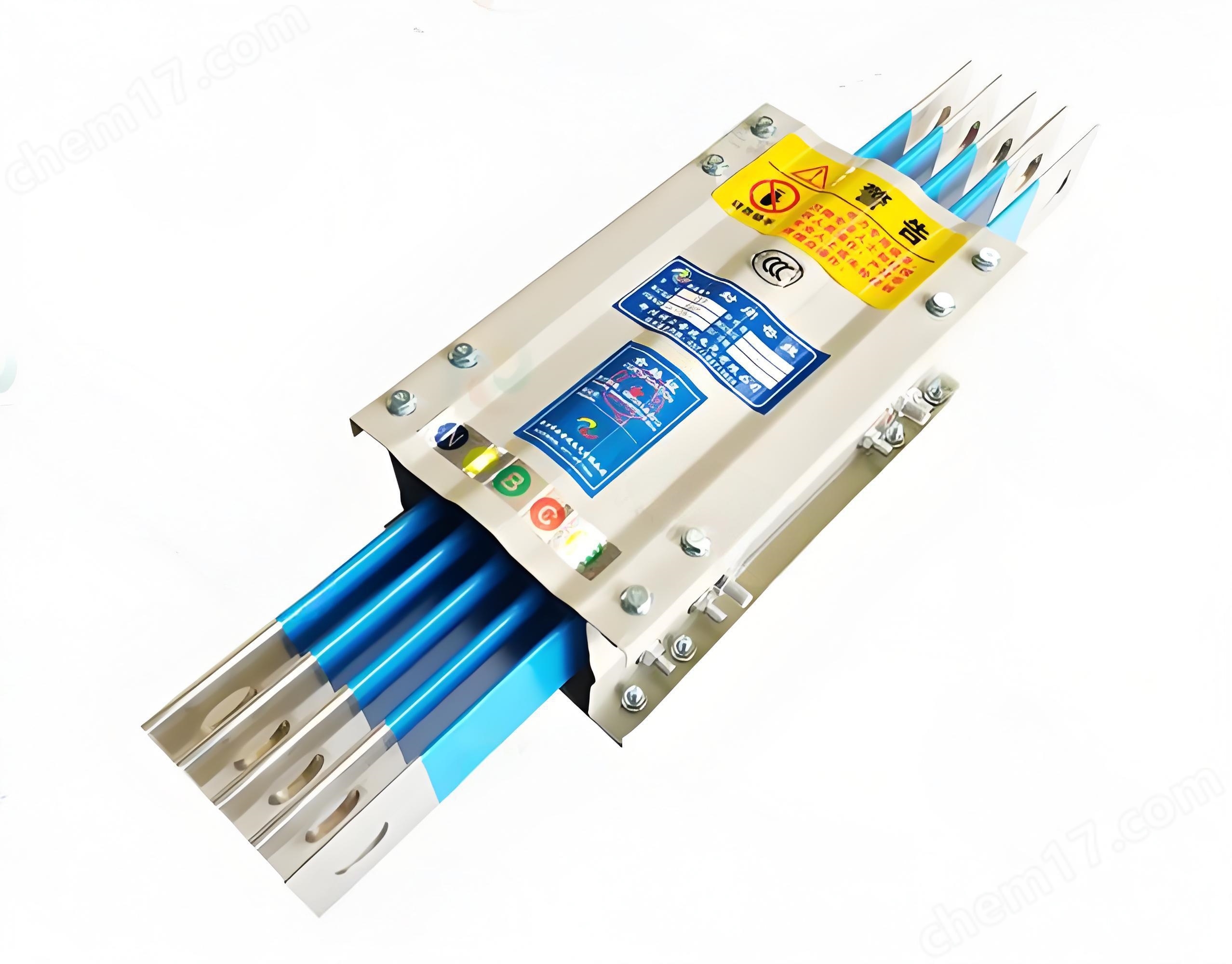
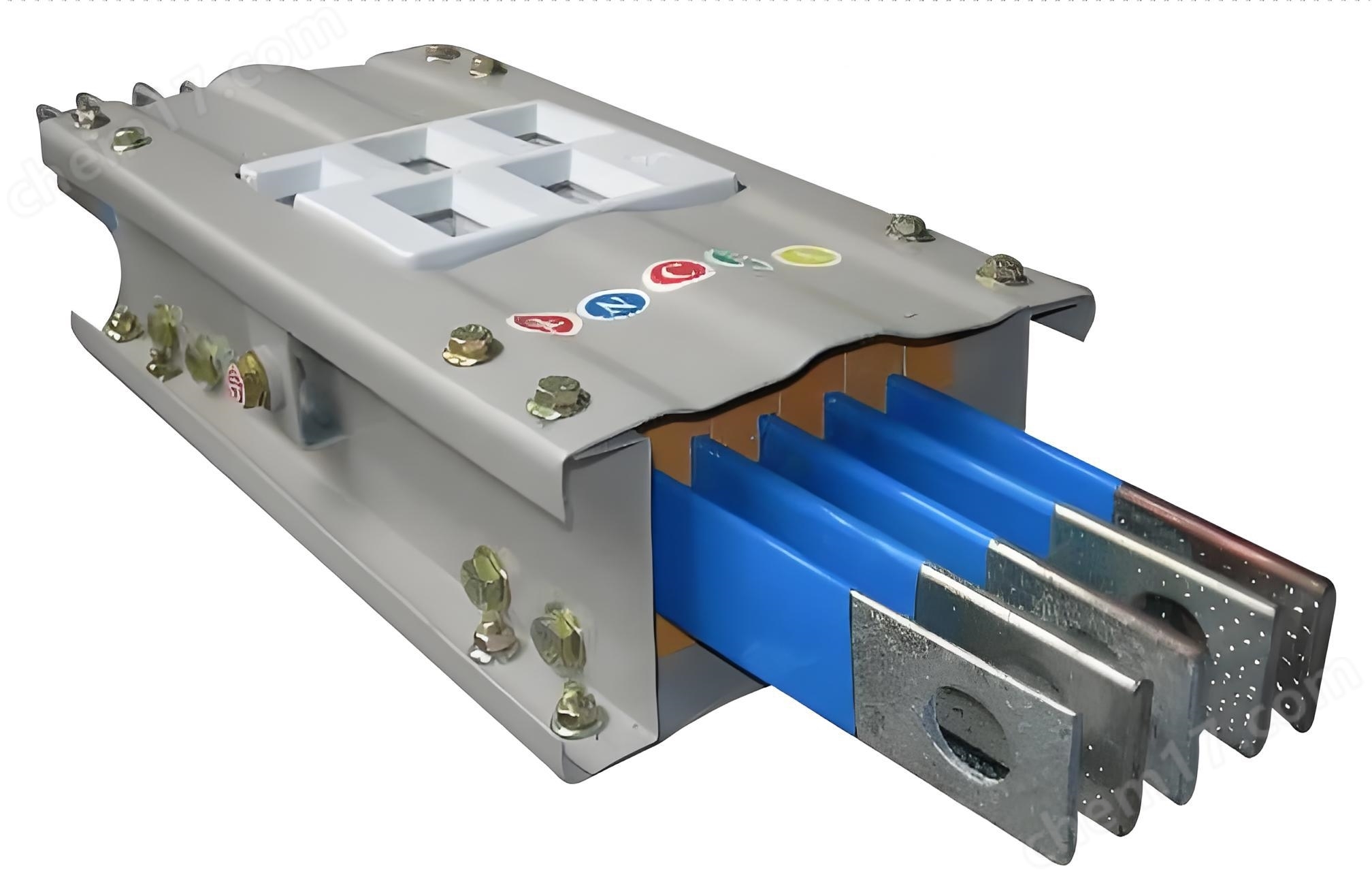
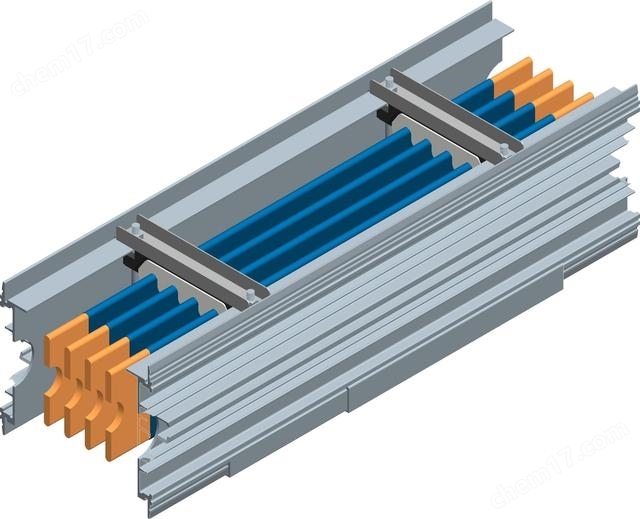
Air type bus duct connection is convenient as a key equipment in modern power distribution systems. With its unique structure and performance, it plays an important role in industrial, commercial, and civil construction fields. Its basic structure consists of three core components: a metal shell, an insulated plug, and a metal busbar.
Product Details
Air type bus duct connection is convenientAs a key equipment in modern power distribution systems, it plays an important role in industrial, commercial, and civil construction fields due to its unique structure and performance. Its basic structure consists of three core components: a metal shell, an insulated plug, and a metal busbar. The metal casing is usually cold-rolled from high-quality high-strength cold-rolled steel into a corrugated structure, which not only has a beautiful and elegant appearance, but also greatly enhances the mechanical strength of the busbar trunking and the dynamic and thermal stability of the system. This structural design can solve the problem of large-span installation on construction sites. The busbar conductor is made of high-purity electrolytic copper, and the entire surface of the conductor is tinned to improve its resistance to oxidation and corrosion. After processing, it is heat shrink treated with PVC pipes, and insulated blocks are used to separate the phases and ground, providing double insulation protection for the copper busbar.
What does air type bus duct IP30 mean?
IP30 is an important protection level indicator for air type bus ducts. Here, "IP" represents the international protection level standard, and "30" represents the specific protection level. Specifically, IP30 means that the bus duct can prevent solid objects with a diameter greater than 2.5mm (such as tools, dust, etc.) from entering its interior, thereby protecting the internal power transmission system from external interference and damage. Meanwhile, the "0" in the number "30" indicates that the bus duct has no special protection against water, which does not guarantee waterproof effect.
In practical applications, IP30 rated air type bus ducts are particularly suitable for indoor dedicated workplaces, such as workshops, factories, etc. These places usually require high dust prevention capabilities to ensure the stable operation of the power system. Meanwhile, as these places usually do not have a large amount of water in direct contact with the bus duct, the waterproof capacity of IP30 is also sufficient to meet daily usage needs.
Overall, IP30 is an important indicator of the protection level of air type bus ducts, which reflects the excellent performance of bus ducts in dust prevention and provides strong protection for power transmission in indoor dedicated workplaces.
Air type bus duct connection is convenientMain specifications and parameters:
1. Rated current: The rated current is the innovative current value that the bus duct can safely carry, with common specifications including 100 A、250A、400A、630A、800A、1000A、1250A、1600A、2000A、2500A、3150A、4000A、5000A Wait. The selection should be based on the actual load requirements to avoid overload or waste.
2. Rated voltage: Rated voltage refers to the design working voltage of the bus duct, usually AC 380V or 660V, and there are also higher voltage models. It is necessary to match the voltage level of the power system to ensure safe operation.
3. Polarity: Polarity represents the number of conductors, commonly including 3 poles, 4 poles, and 5 poles. Three poles are used for three-phase systems without neutral wires, four poles are used for three-phase systems with neutral wires, and five poles are equipped with grounding wires to improve safety.
4. Protection level: The protection level is represented by IP codes, such as IP54, IP65, etc. The higher the number, the stronger the dust and water resistance. Indoor dry environments can choose around IP40, while humid or dusty environments require IP54 or above.
5. Conductor material: Conductors are often made of copper or aluminum. Copper conductors have good conductivity and corrosion resistance, but their cost is relatively high; Aluminum conductors are lightweight and economical, but attention should be paid to oxidation issues at the connection points.
6. Length and shape: The standard length is generally 3 meters or 6 meters, and can also be customized. The shape includes straight sections, bends, tees, crosses, etc., which need to be designed according to the installation site.
7. Insulation method: In addition to air insulation, there are also dense bus ducts wrapped in insulation materials, which have slightly lower heat dissipation but are more compact and suitable for situations with limited space.
Precautions for selection and use:
Although air type bus ducts have many advantages, the following points should still be noted when selecting and using them: first, ensure good handling of their joints to avoid poor contact caused by oxidation; Secondly, due to its relatively high cost, cost-effectiveness needs to be comprehensively considered in small and medium-sized buildings; Finally, considering the special nature of its installation and transportation process, a dedicated person is needed to be responsible for maintenance and upkeep.
In summary, air type bus ducts play an important role in modern power transmission and distribution due to their unique advantages and wide application scenarios. With the continuous advancement of technology and the growth of market demand, it is believed that it will play a more critical role in the future power system.
Similar Product Recommend


