-
E-mail
18083798558@163.com
-
Phone
18101455820
-
Address
Liubao Industrial Park, Yangzhou City, Jiangsu Province
Product Categories
Jiangsu Ruyan Busbar Manufacturing Co., Ltd

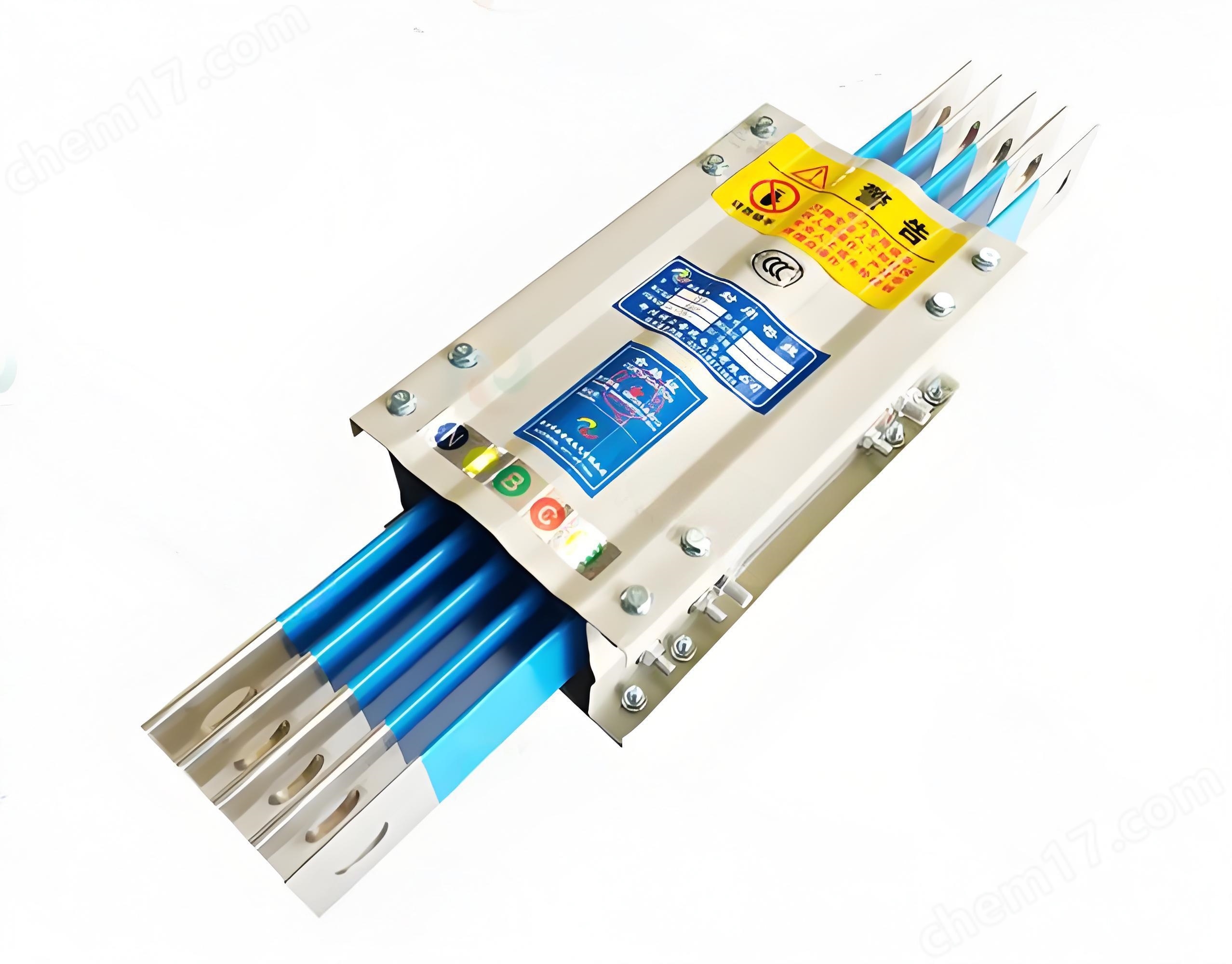
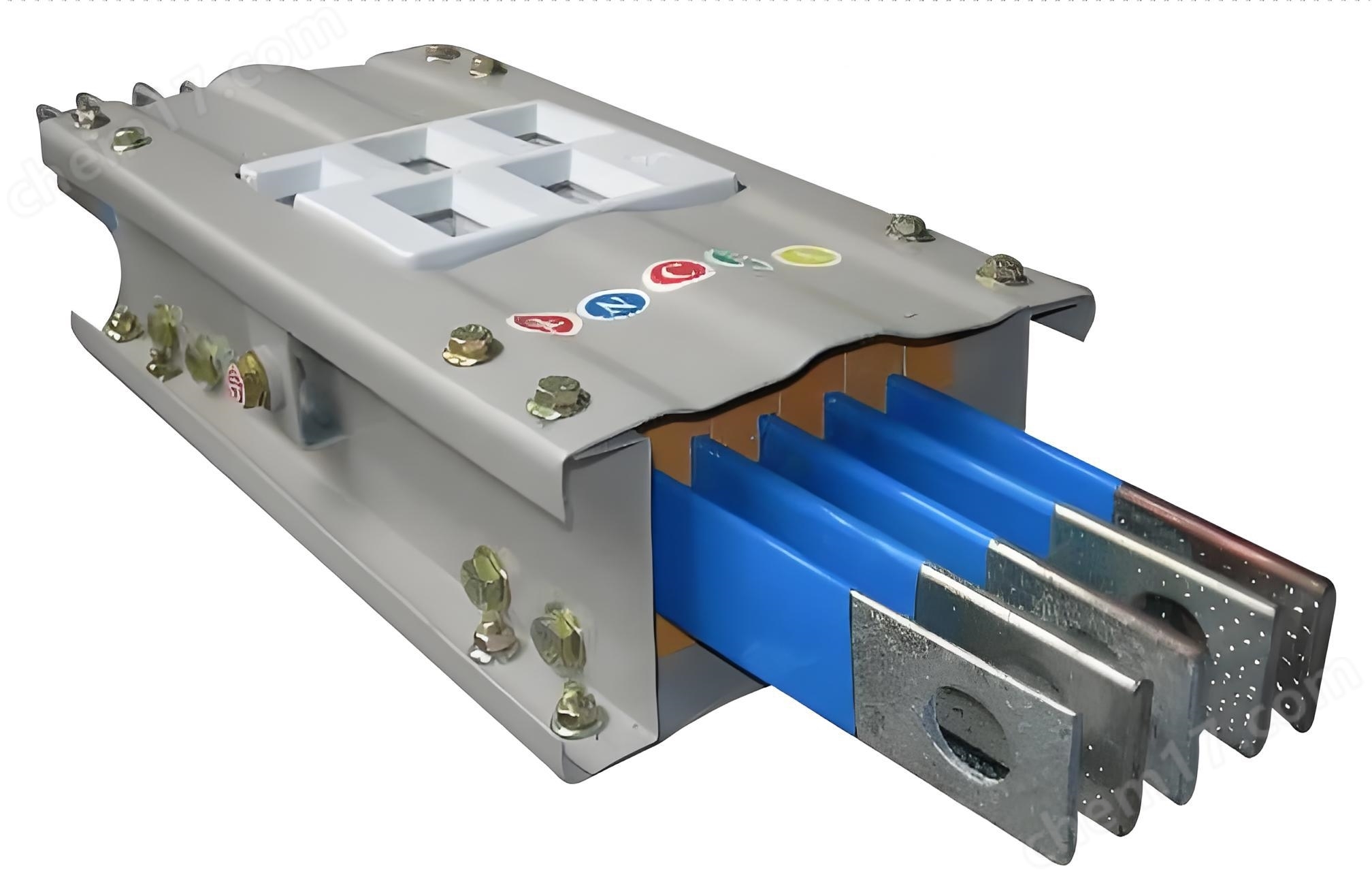


Air type bus duct BMC-4000A
NegotiableUpdate on 12/19
- Model
- Nature of the Manufacturer
- Producers
- Product Category
- Place of Origin
Overview
The air type bus duct BMC-4000A is a bus duct that uses air as an insulating medium. It consists of a shell, insulated plug, and metal busbar, mainly responsible for power distribution tasks, used for connecting low-voltage distribution panels with large and medium-sized loads. The shell of this type of bus duct is usually made of high-quality high-strength cold-rolled steel, which is cold-rolled into a corrugated structure in one go. It not only has a beautiful appearance, but also greatly enhances the mechanical strength of the bus duct and the dynamic and thermal stability of the system, making it particularly suitable for large-span installation on construction sites.
Product Details
Air type bus duct BMC-4000AIt is a bus duct that uses air as an insulating medium. It consists of a shell, insulated plug, and metal busbar, mainly responsible for power distribution tasks, used for connecting low-voltage distribution panels with large and medium-sized loads. The shell of this type of bus duct is usually made of high-quality high-strength cold-rolled steel, which is cold-rolled into a corrugated structure in one go. It not only has a beautiful appearance, but also greatly enhances the mechanical strength of the bus duct and the dynamic and thermal stability of the system, making it particularly suitable for large-span installation on construction sites.The busbar conductor is made of high-purity electrolytic copper, which has undergone full length tin plating treatment to improve its ability to resist oxidation and corrosion. After processing, PVC pipes are heat shrink treated and separated by insulation blocks to obtain double insulation protection, greatly improving safety and stability, ensuring efficient and reliable power transmission. Finally, these components are enclosed within a grounded metal casing, forming a complete air type bus duct system.
The model representation of air type bus duct:
The model of air type bus duct is usually composed of multiple parameters, which reflect the main characteristics and specifications of the bus duct. Specifically, it includes:
1. Sectional shape parameters: such as rectangle (r), triangle (t), trapezoid (tj), etc., represent the cross-sectional shape of the bus duct.
2. Rated current parameters: such as 630A, 800A, 1000A, etc., indicate the current value that the bus duct can transmit normally under specified conditions.
3. Rated voltage parameters: such as 380V, 660V, 1140V, etc., indicate the voltage at which the bus duct can be used normally.
4. Length parameter: In meters, it represents the total length of the bus duct.
5. Support mode parameters: such as bracket (z), hanging type (d), trench type (g), etc., indicating the installation support mode of the bus duct. By combining these parameters, we can accurately select and describe the required air type bus duct model.
Purchasing Guide:
1. Clarify requirements: Firstly, evaluate the power load, voltage level, and environmental conditions. Calculate the total current demand, including existing equipment and future expansion, leaving appropriate margin. For example, when the load current is 800A, the 1000A specification can be selected to improve reliability.
2. Select specifications: Determine the rated current, voltage, and number of poles according to the requirements. For humid or dusty environments, priority should be given to products with high protection levels (such as IP65); Corrosive environments require the use of corrosion-resistant shell materials.
3. Comparing materials: Copper conductors have excellent performance but high cost, while aluminum conductors are economical but require maintenance. When the budget is sufficient, it is recommended to choose copper for long-term stability; Aluminum can be selected for cost sensitive occasions, but reliable connections must be ensured.
4. Consider installation and maintenance: Choosing standard length and shape can reduce customization costs, while also paying attention to the compatibility of connectors. In terms of maintenance, prioritize purchasing products with modular design for easy inspection and replacement in the future.
5. Safety certification: Ensure that the product has passed relevant safety certifications, such as national or industry standards, which can guarantee basic quality and safety.
6. Cost assessment: In addition to the initial purchase cost, installation, maintenance, and energy consumption expenses also need to be calculated. For example, high-efficiency conductors can reduce operating costs and have a higher overall cost-effectiveness. The budget range can be set according to the project scale, with small and medium-sized projects choosing economical options, and large-scale projects recommending investment in high reliability products.
7. Supplier service: Choose suppliers who provide technical support and after-sales service for easy installation guidance and problem solving. Reference can be made to user evaluations, but avoid relying on a single source of information.
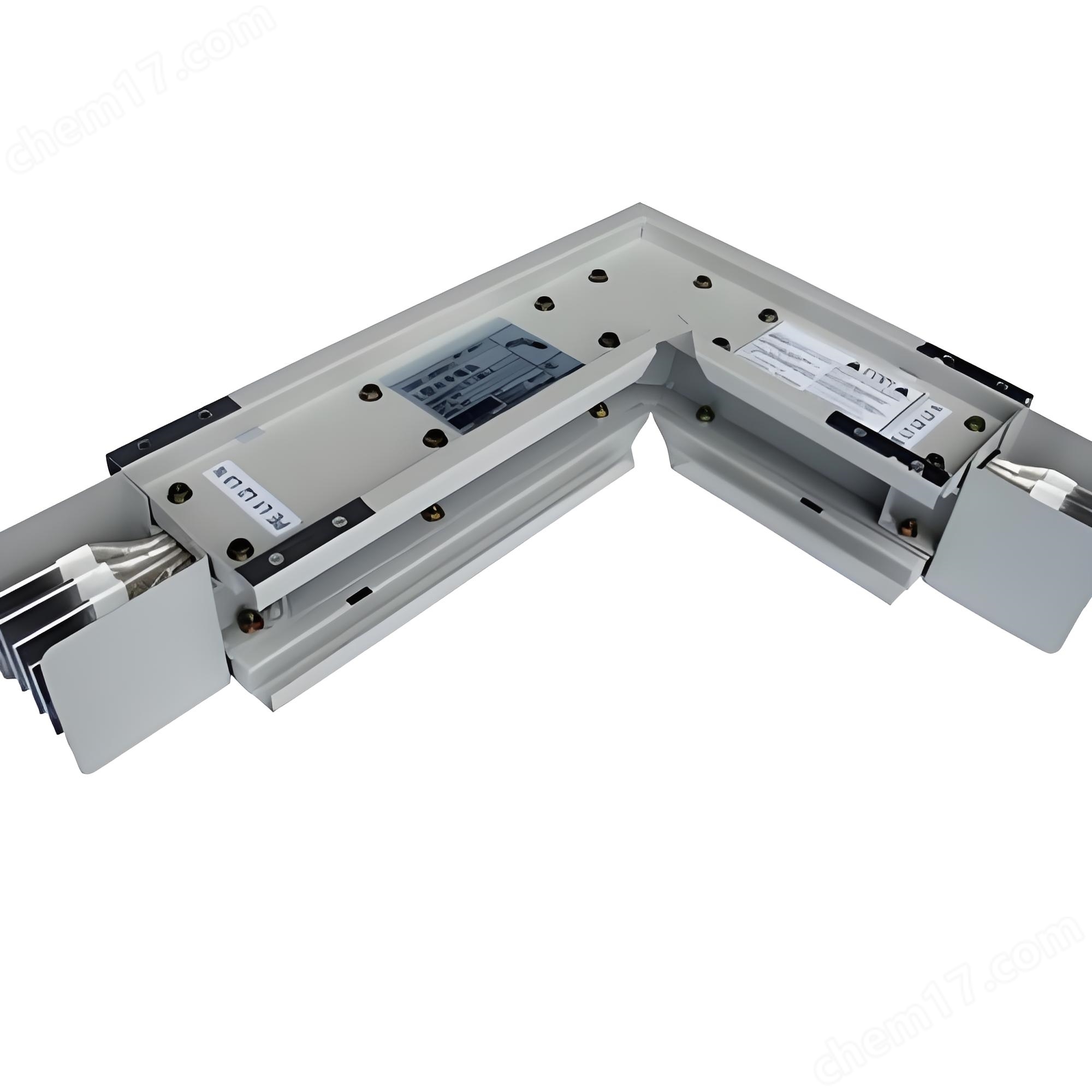
Air type bus duct BMC-4000ANotes:
During installation, it is necessary to follow the specifications to ensure that the connection is firm and the insulation is intact; Regularly check the temperature rise and connection points to prevent overheating or loosening; Avoid overloading to avoid shortening the lifespan or causing malfunctions. Coordinate design with building structure, reserve heat dissipation space and maintenance channels.
Summary: The selection of specifications for air bus ducts involves multiple parameters, which need to be considered comprehensively based on actual needs, environment, and budget. Through reasonable selection and installation, it can effectively improve the efficiency and safety of the power system.
Similar Product Recommend


