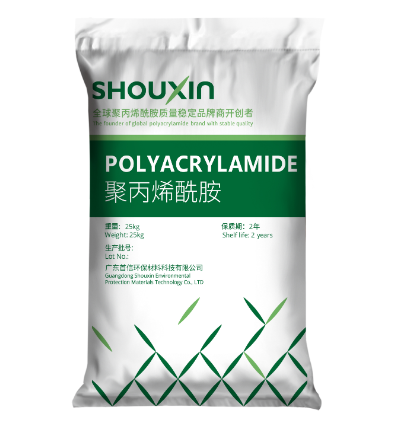
Top 10 polyacrylamide manufacturers in China
09,21,2026 16 views


11,18,20253From:
Our company launches a new product: quality control module
Brand:BX-ORIENT
Model:BXIEC-Body
1Product Introduction
BXIEC-Body It is a product strictly in accordance with the International Electrotechnical Commission(A high-precision body imaging performance testing module designed according to IEC standards and NEMA NU2-2007 specifications. The phantom adopts an elliptical cylindrical design and integrates six hemispherical structures of different sizes (10mm to 37mm) internally, effectively simulating the shape and radiation distribution of the human torso. It is specifically designed to evaluate the image quality performance of positron emission tomography (PET) and computed tomography (CT) systems.
This model hasA large volume chamber with a capacity of ≥ 9.7L can meet the testing requirements of key indicators such as system sensitivity, image resolution, uniformity, and quantitative accuracy. It is a tool for quality control, performance verification, and scientific research evaluation of nuclear medicine imaging equipment.
IIproduct structure
A. 1. Technical Specifications
A. 1.1. ComplianceNEMA NUThe requirements of 2-2007.
A. 1.2. The inner diameters of the six hemispheres are: 10 mm; 13 mm; 17 mm; 22mm; 28mmAnd 37mm.
A. 1.3. The distance between the plane of the sphere and the inner wall is approximately ≤ 70mm.
A. 1.4. Cylinder volume approximately ≥ 9.7 L。
A. 1.5. The outer diameter of the cylinder is: ≥ 51mm.
A. 1.6. The outer length of the cylinder is: ≥ 180mm.
3、 Core functions and purposes
core positioning:Quantitative calibrator for PET/CT equipment
Main functions: Used for evaluationQuantitative accuracy and basic image quality of PET and PET/CT systems.
target devicePositron Emission Tomography/Computerized tomography (PET/CT) system.
Key detection indicators:
·Image resolution: The evaluation system can clearly distinguish the minimum distance between two adjacent radiation sources.
·Image uniformity: Testing the consistency of image counting in a uniform radiation source.
·System sensitivity: The ability of testing equipment to detect signals from small radioactive sources.
·Quantitative accuracy: Ensuring the matching degree between image pixel values and real radiopharmaceutical concentrations is crucial for evaluating tumor efficacy.
4Application scenarios
Performance acceptance of PET/CT system:
Used for basic performance verification of new equipment installation to ensure compliance with factory standards and clinical diagnostic requirements.
Daily quality control and regular calibration:
The hospital's nuclear medicine department or imaging center can regularly use this phantom for system performance monitoring and stability evaluation.
Research and Optimization of Image Quality:
Support the development of reconstruction algorithms, optimization of scanning protocols, and other scientific research work to improve the accuracy of quantitative analysis of images.
Third party testing and compliance certification:
Provide standardized testing tools for medical device testing institutions and support compliance verification with relevant regulations.
Teaching and Training:
Suitable for medical engineering teaching and technical personnel training, helping to understandPET/CT imaging principle and performance parameters.
Previous111

Top 10 polyacrylamide manufacturers in China

Which Chinese Polyacrylamide Manufacturers Offer Short Lead-Time and Reliable Delivery?
Shouxin's production lead time — the period from order confirmation and payment receipt to completion of manufacturing — is generally 1 to 2 weeks.
Which polyacrylamide brands from china are reputable ?
Overview of major polyacrylamide manufacturers in China: 10 brands worth paying attention to