
09,22,2026 22 views
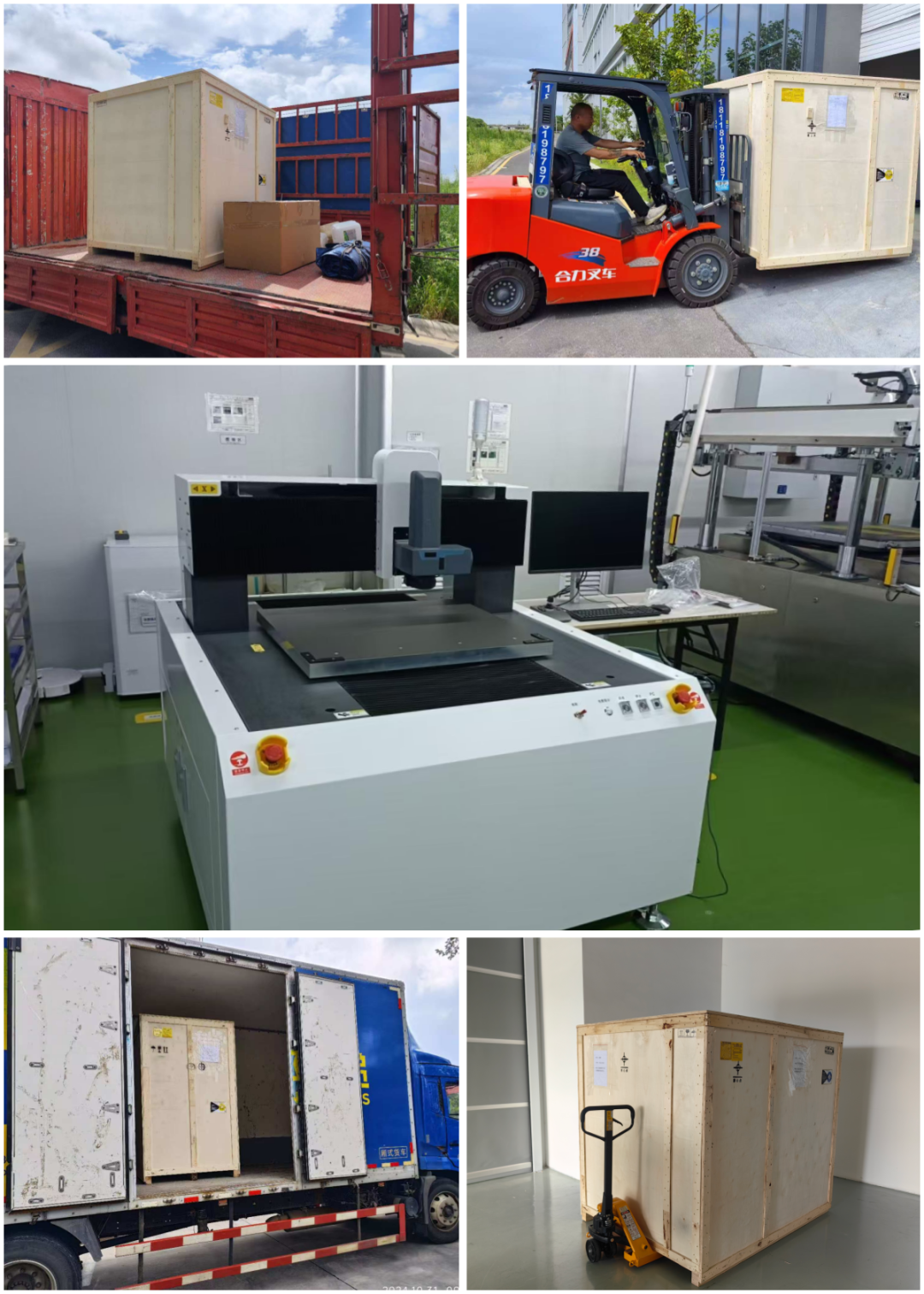
In the booming global electronics industry, printed circuit boards (PCBs), as the core carrier of electronic devices, have increasingly stringent requirements for manufacturing accuracy and reliability. Faced with the quality inspection challenges brought by the complex process of high-density interconnect boards, traditional manual visual inspection methods are no longer able to meet the efficient and accurate production needs. In this context, Xili Technology independently developedDMZThe series of large-scale platform micro automation systems, with their performance and innovative technology, have successfully achieved large-scale delivery of multiple devices in PCB leading enterprises.
The core of the DMZ system is equipped with a large field microscopy imaging system electric objective converter and high NA value objective lens, combined with an AI image algorithm engine, suitable for the full inspection needs of complex structures such as multi-layer boards and flexible boards. For customized travel in the PCB industry (750X650mm or larger), the equipment can achieve precise displacement through the coordinated operation of an automated stage and an intelligent positioning system, ensuring consistency and repeatability of each detection point and effectively avoiding human operation errors.
For PCB companies that require high yield, the DMZ series micro automation system not only brings a leap in detection capabilities, but also a profound change in production methods. Compared to the traditional sampling detection mode, this equipment can increase the sampling ratio to a level close to full inspection, significantly reducing the risk of missed detections; At the same time, replacing the work mode of multiple skilled quality inspectors with a single machine significantly saves labor costs. According to actual test data from a certain customer, after importing the system, the efficiency of the final inspection process has increased several times, the repair rate has decreased significantly, and the investment return cycle is much lower than the industry average. This intelligent upgrade path of "machine for human" is becoming a key choice for PCB manufacturing enterprises to cope with labor shortages and enhance competitiveness.