-
E-mail
sale@linkoptik.com
-
Phone
13104709993
-
Address
3rd Floor, Building 5, Science and Technology Innovation Park Bay, No.1 Jintang Road, High tech Zone, Zhuhai City
Zhuhai Truth Optical Instrument Co., Ltd
The correct use of laser diffraction particle size analyzer is the key to obtaining reliable particle size data
Date: 2025-09-23Read: 0
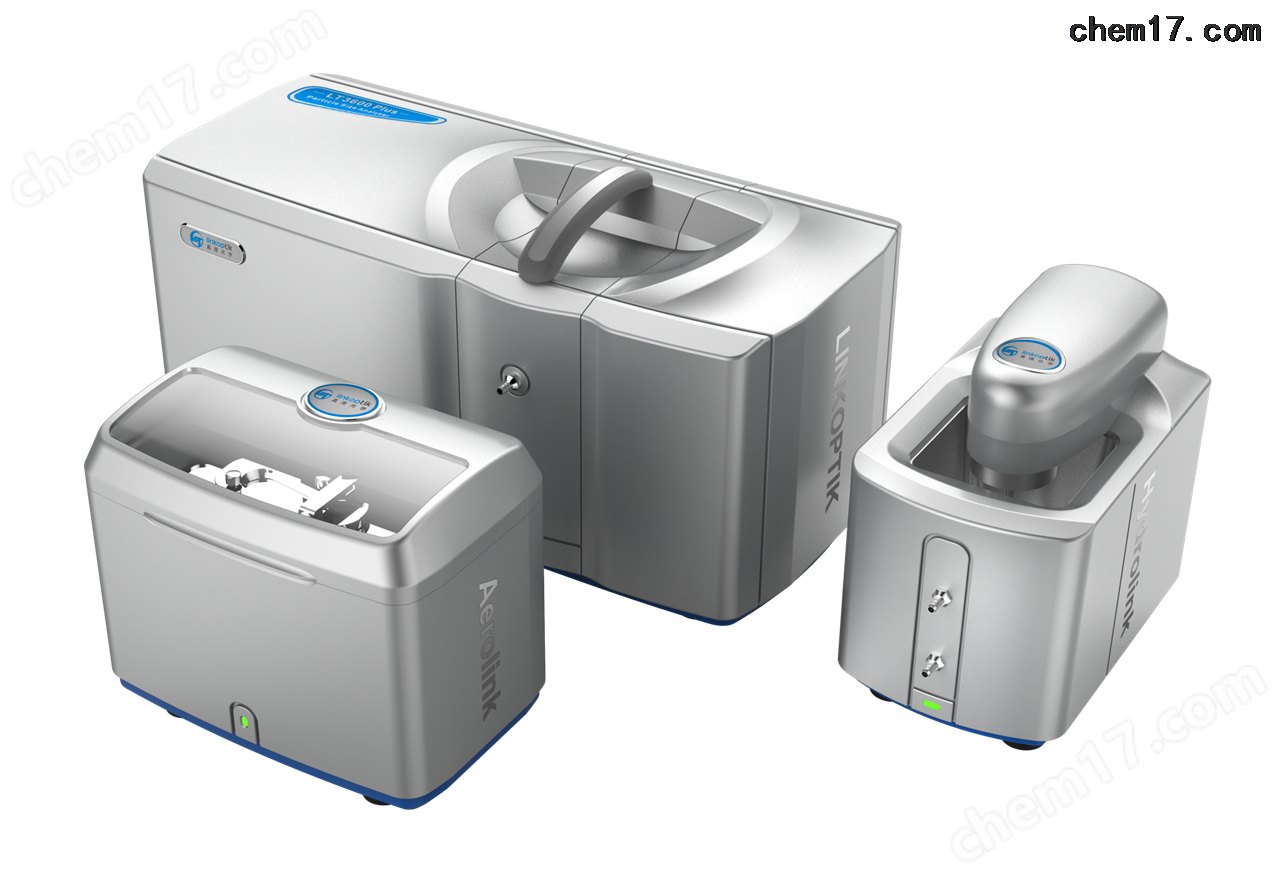
Laser diffraction particle size analyzer is widely used in pharmaceutical, chemical, ceramic, food and other fields due to its advantages of wide measurement range, fast speed, and good repeatability. However, the accuracy of its measurement results highly depends on the correct operating methods. Mastering the correct opening method of laser diffraction particle size analyzer is the key to obtaining reliable particle size data.
1、 Sample preparation
Sample processing is the main link that affects the results. For dry powder samples, it is necessary to ensure sufficient drying and no agglomeration. Before use, it should be gently ground or sieved (with a mesh size larger than the maximum particle size) to avoid excessive crushing and changing the original particle size. Choosing the appropriate dispersion medium is crucial for wet dispersion samples. The medium should not dissolve, react, or expand with the sample, and deionized water, ethanol, or specialized liquids are commonly used. At the same time, add an appropriate amount of dispersant (such as sodium hexametaphosphate) and adjust the pH value to enhance the surface charge of the particles and prevent agglomeration.
2、 Instrument calibration
Instrument calibration must be performed before use. Verify the accuracy of the optical system and data processing model using standard microspheres (such as NIST traceable latex spheres). Regular calibration can ensure consistency in long-term measurements, and it is recommended to perform it every 3-6 months or after replacing critical components.
3、 Optimization of dispersion conditions
In wet measurement, the ultrasound power and time need to be optimized. Ultrasonic waves that are too strong or too long can break particles, while those that are too weak cannot dissolve aggregates. The optimal parameters should be determined through experiments: gradually increase the ultrasound time, observe the changes in particle size distribution, and the optimal point is when D50 tends to stabilize. Dry injection requires adjusting the airflow pressure to ensure that the particles are fully dispersed and not subject to secondary fragmentation.
4、 Standardized operation of measurement process
During wet measurement, inject the medium into the sample pool to the appropriate level, turn on the circulation pump, and add the sample after the background signal stabilizes. Control the sample concentration to a light shielding degree within the range of 10% -20% (depending on the instrument model). Excessive concentration can lead to multiple scattering, while insufficient concentration can result in poor signal-to-noise ratio. During dry measurement, inject the sample uniformly and continuously to avoid blockage or pulse feeding.
5、 Data Analysis and Reporting
Select appropriate optical models (such as Mie theory or Fraunhofer diffraction) and refractive index/absorption parameters. For unknown samples, reference can be made to literature or optimization can be achieved through experiments. The report should include measurement conditions (dispersion medium, ultrasonic parameters, opacity, etc.), particle size distribution curve, and key parameters (D10, D50, D90).