-
E-mail
646282779@qq.com
-
Phone
13520779138
-
Address
Beijing Shunyi
Zhongke Junchi Precision Instrument (Beijing) Co., Ltd
Working principle and structural analysis of jaw crusher: key equipment from coarse crushing to fine crushing
Date: 2025-12-10Read: 0
Sample pretreatment is a crucial step in determining the accuracy of experimental results in fields such as material analysis, mineral processing, and environmental testing. As a classic coarse crushing equipment, the jaw crusher has become a "pre-processing expert" in laboratories and industrial production due to its simple structure, strong crushing force, and wide adaptability.

1、 Working principle
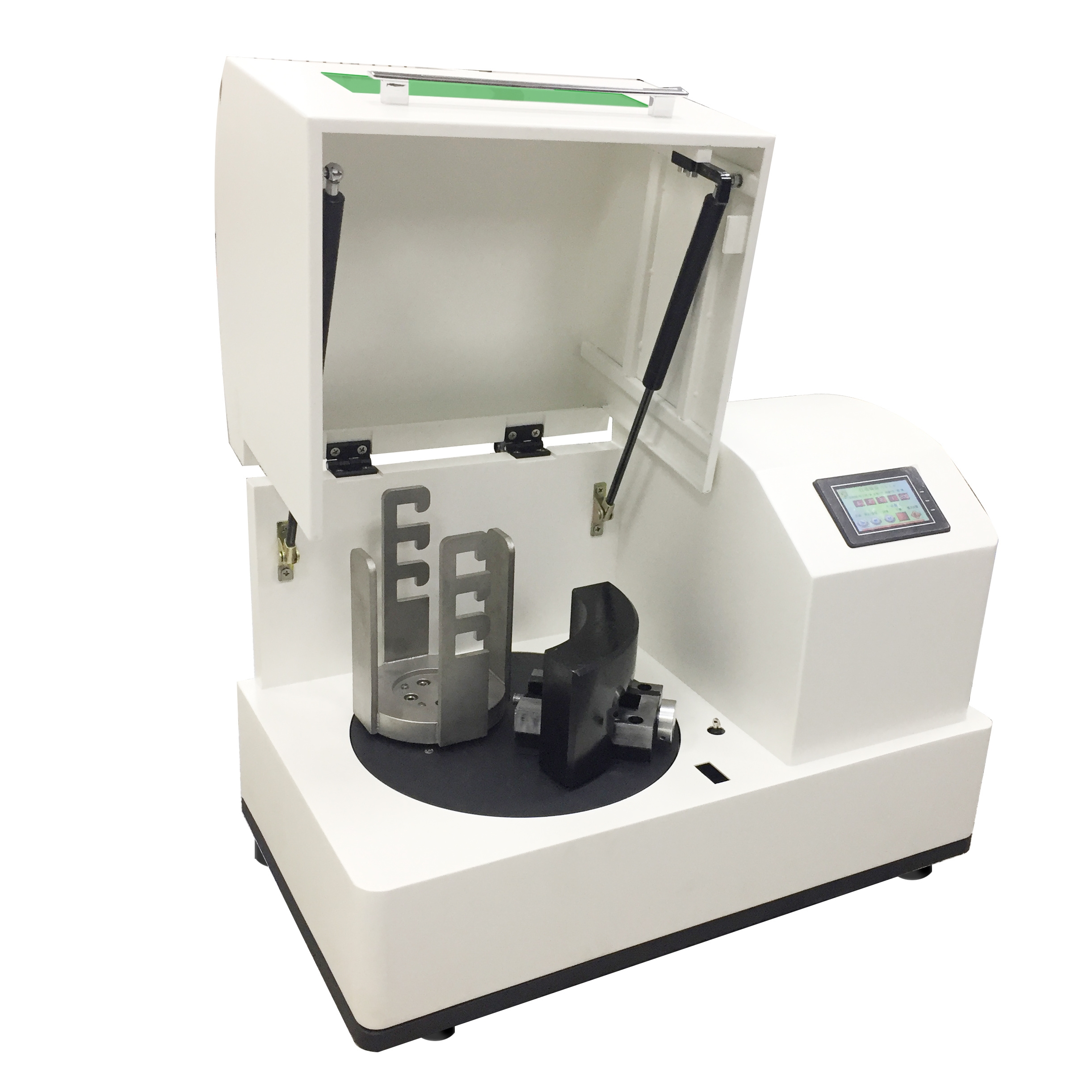
The core design inspiration of the jaw crusher comes from the chewing process of animals. Its main body consists of a fixed jaw plate and a movable jaw plate. The movable jaw plate is driven by a motor to swing periodically (similar to human jaw movement), exerting squeezing and splitting effects on the material entering between the two jaw plates. When the material size is greater than the width of the discharge port, continuous pressure will cause it to break along the weak surface; Particles smaller than the discharge port are directly discharged, completing the process of coarse crushing from large to small pieces. This mechanical extrusion principle avoids excessive crushing caused by high-speed impact, and is particularly suitable for the initial crushing of brittle, medium hardness materials such as ores, rocks, ceramics, electronic waste, etc.
2、 Core advantages
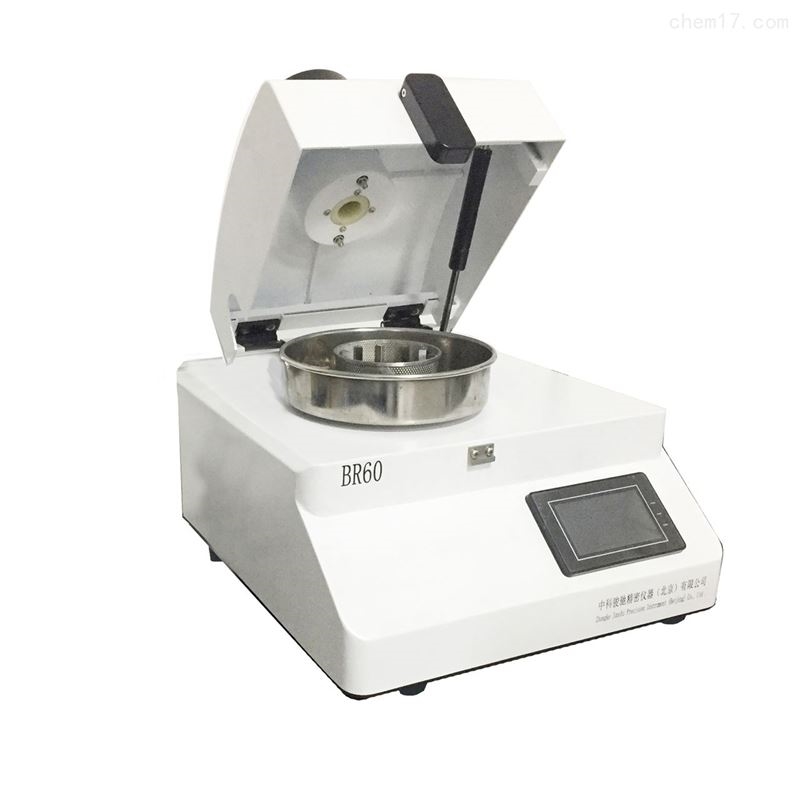
Compared to equipment such as ball mills and hammer crushers, jaw crushers have significant advantages: firstly, they have a larger crushing ratio (up to 4-6 times), and a single treatment can reduce samples from tens of millimeters to a few millimeters, greatly improving efficiency; Secondly, the particle size uniformity is high. By adjusting the width of the discharge port (some models support electric or hydraulic adjustment), the discharge particle size can be accurately controlled (up to a minimum of 0.5mm); Thirdly, it has strong safety. Modern models are often equipped with protective door interlocking devices - the equipment automatically stops when the protective door is opened to avoid the risk of misoperation; Fourthly, it is easy to maintain. The jaw plate is made of high manganese steel or wear-resistant alloy material, which has strong impact resistance and low replacement cost. Only regular lubrication of the bearings is needed to maintain stable operation in daily life.
3、 Application scenarios
In the field of scientific research, jaw crushers are a standard equipment in geology, metallurgy, and building materials laboratories: geologists use them to crush rock samples to analyze mineral composition; Environmental testing agencies use it to process soil and solid waste samples, extract heavy metals or organic matter for risk assessment. In the industrial sector, it is used in mining to achieve coarse crushing of raw ore, reducing the energy consumption of subsequent ball mills; The renewable resources industry relies on it to crush waste metals and plastics and improve recycling efficiency. Even in teaching scenarios, its intuitive mechanical structure can help students quickly understand the principle of fragmentation, making it a practical teaching tool for engineering education.
Conclusion
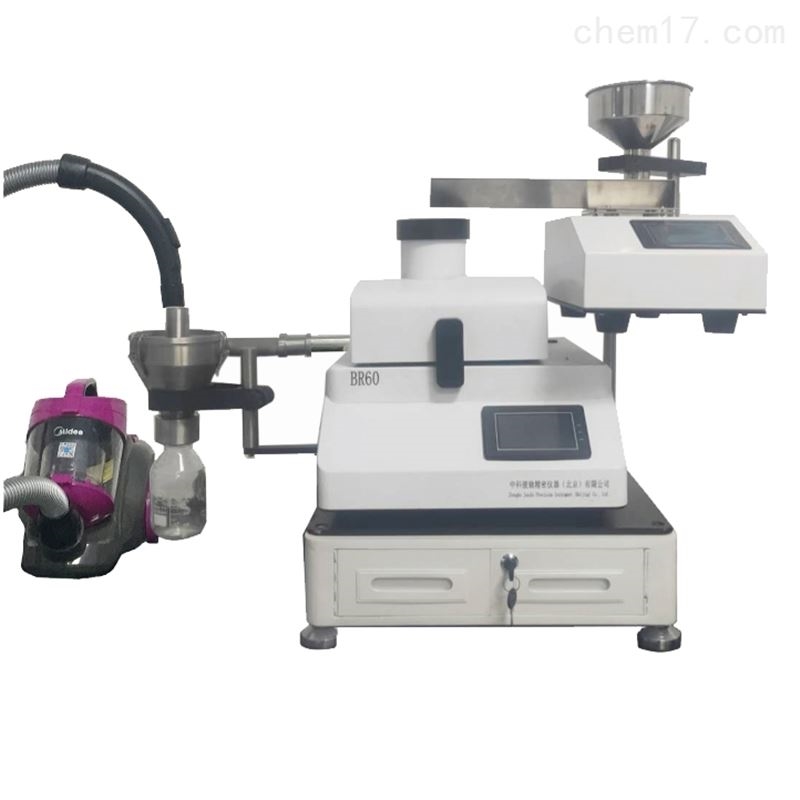
From precise analysis in the laboratory to batch processing on industrial lines, jaw crushers have firmly established a place in the field of crushing with the design philosophy of "simplicity and reliability". With the integration of intelligent technologies such as automatic feeding and remote monitoring, its performance will continue to upgrade, providing efficient solutions for sample pretreatment in more fields.