-
E-mail
marketing@alwsci.com
-
Phone
15700070305
-
Address
Building 16, Yuexing Science and Technology Innovation Park, No. 11 Fanrong Road, Binhai New City, Shaoxing, Zhejiang Province
Zhejiang Ouersaisi Technology Co., Ltd
Whole life cycle management of diagnostic bottles
Date: 2025-11-18Read: 51
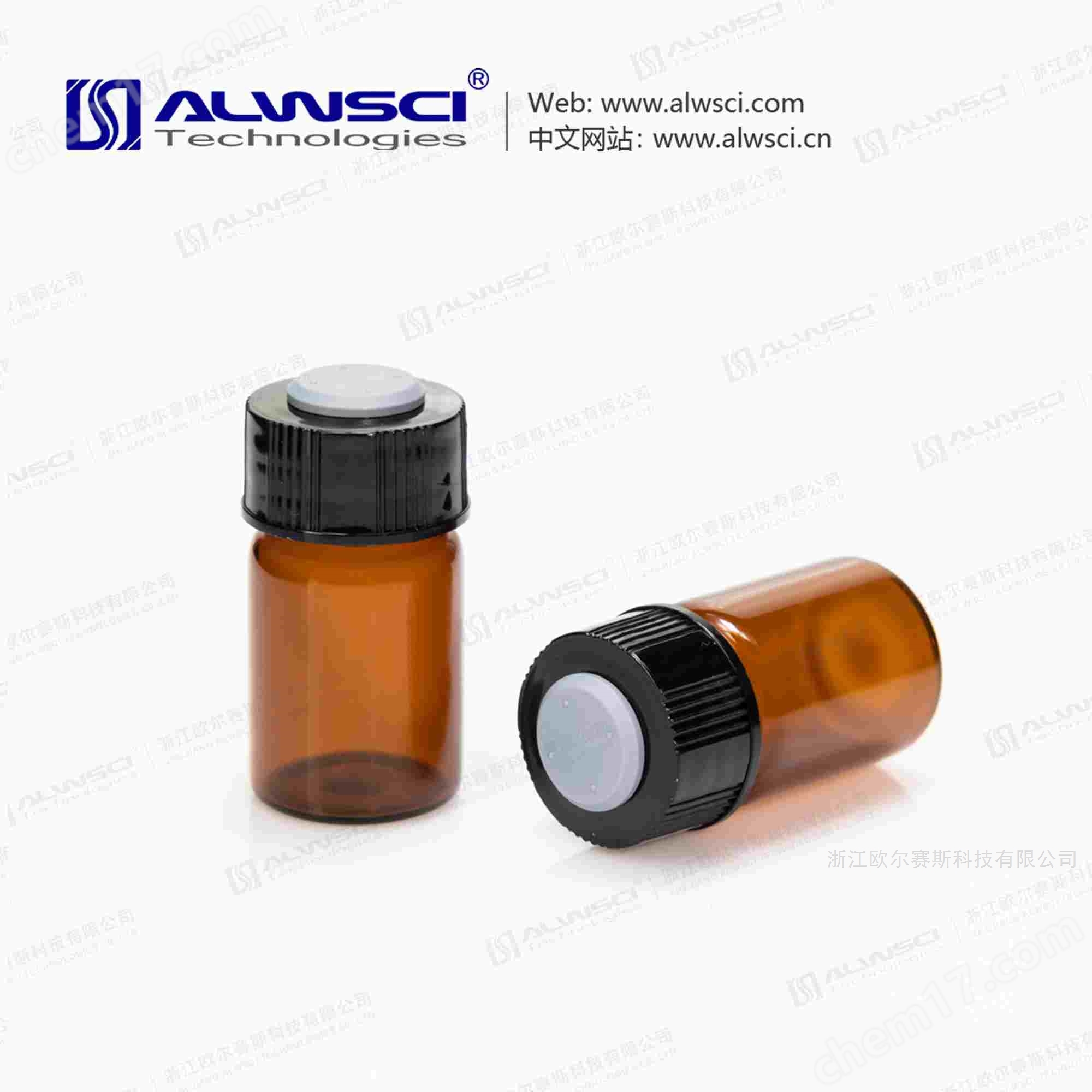
As the core container for carrying blood, urine, tissue samples, and diagnostic reagents, the quality of diagnostic bottles directly affects the accuracy of test results and biological safety.Diagnostic bottleThe full lifecycle management covers four major links: production traceability, warehousing circulation, clinical use, and waste disposal. Through standardized control throughout the entire chain, it achieves the core goals of "sample safety, reliable results, and controllable risks", and is an important component of the medical testing quality system.
1、 Production traceability: Building a solid foundation for quality
The refined management of the production process is the starting point of the entire lifecycle. Material selection should match the intended use: borosilicate glass or medical grade polypropylene should be preferred for blood sample bottles to ensure chemical corrosion resistance and biocompatibility; Nucleic acid testing bottles need to have low adsorption characteristics to avoid sample nucleic acid loss. The production process must comply with GMP standards and reduce the risk of human contamination through automated injection molding and aseptic filling technology. Each batch of diagnostic bottles must be accompanied by a unique source code, indicating the production batch, material, sterilization method, and expiration date, while retaining the raw material inspection report to achieve traceability and recall of quality issues.
2、 Warehouse circulation: ensuring safety and controllability
The storage and circulation process requires strict control of the environment and operational standards. The storage environment should be kept dry and ventilated (humidity 40% -60%, temperature 10-25 ℃), avoiding direct sunlight that can cause material aging; Aseptic diagnostic bottles should be stored in a clean area with a stacking height of no more than 3 layers to prevent crushing and damage. During the circulation process, shockproof cushioning packaging is used, and transportation vehicles need to be equipped with temperature and humidity monitoring devices to ensure that the transportation conditions meet the requirements. When the hospital receives the product, it is necessary to verify the traceability source code and appearance, check whether the bottle body has cracks and whether the seal is intact. Unqualified products should be immediately isolated and the manufacturer should be contacted for handling.
3、 Clinical use: Standardized operating procedures
Clinical use is a key link in risk prevention and control. Before use, it is necessary to confirm that the diagnostic bottle is within its validity period. When tearing off the sealing film, avoid touching the bottle mouth with your hands; Strictly follow the principle of "one person, one bottle, one disinfection" when collecting samples to prevent cross contamination. After adding the sample, immediately tighten the bottle cap and label the patient information and collection time as required to ensure accurate matching between the sample and the container. After the testing is completed, the diagnostic bottles containing biological samples need to be sealed and temporarily stored in a biosafety cabinet. After the testing report is confirmed, subsequent disposal can be carried out to avoid sample confusion or leakage.
Waste disposal must adhere to the bottom line of environmental protection and safety. After useDiagnostic bottleRegardless of whether it is contaminated with pathogens or not, it must be disposed of according to medical waste management standards: first sterilized at 121 ℃ for 30 minutes, and then crushed and harmlessly treated by professional institutions to avoid biological pollution and environmental risks. Recyclable glass diagnostic bottles must undergo strict disinfection and quality testing to meet standards before they can be recycled, but the number of cycles should not exceed 3. Through closed-loop management throughout the entire lifecycle, the risk of using diagnostic bottles can be reduced by over 95%, providing a solid guarantee for the accuracy and safety of medical testing.