-
E-mail
info@wintoptest.com
-
Phone
13764481606
-
Address
Room 2050, Pudong Zhangjiang Chuangzhi Liangcang, No. 298 Kangqiao East Road, Pudong New Area, Shanghai
Yunpu Instrument (Shanghai) Co., Ltd
Texture analyzer: an accurate detection tool for quantitative analysis of material texture characteristics
Date: 2025-09-10Read: 0
In the fields of food processing, material research and development, and daily chemical production, the texture characteristics such as hardness, elasticity, chewiness, and adhesion of substances are key indicators for measuring product quality and optimizing production processes. The traditional method of relying on artificial sensory evaluation has limitations such as strong subjectivity and unstable resultsTexture AnalyzerWith the core advantages of "objective quantitative detection, multi parameter analysis, and high repeatability", it has become the core equipment for texture characteristic analysis, providing reliable data support for product quality control and scientific research innovation.
The texture analyzer achieves quantitative detection of texture characteristics. The equipment mainly consists of a mechanical testing system, force sensors, and data acquisition and analysis system: specialized probes are selected according to the detection requirements, and the mechanical system drives the probes to contact or puncture the sample at a set speed; The force sensor captures real-time force signals generated by the interaction between the probe and the sample, and synchronously records displacement and time data; The data acquisition system converts mechanical signals into digital signals, and the analysis system automatically calculates parameters such as hardness, elasticity, and cohesion, and generates texture characteristic curves to visually present the changes in sample texture. The repeatability error of the detection results is ≤± 3%, meeting the requirements of standardized analysis.
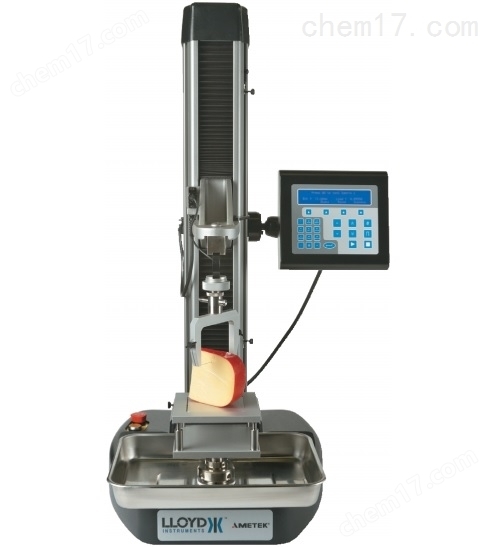
In practical applications, in the food industry, it is used for detecting bread hardness and elasticity, optimizing baking processes to enhance taste; Analyze the chewiness and tenderness of meat products to ensure consistent product quality; Test the hardness of fruits and vegetables, determine their maturity and preservation effect; In the field of materials, testing the tensile strength and tear resistance of packaging materials, and evaluating the sealing performance of packaging; Analyze the elasticity and compression recovery of rubber and sponge to optimize product durability; In the field of daily chemical products, testing the viscosity and spreadability of skincare products to improve the user experience; Test the hardness and extrusiveness of toothpaste to ensure the convenience of product use.
When using a texture analyzer, three points should be noted to ensure detection accuracy and equipment lifespan: first, sample preparation, unifying sample size, temperature, and state according to detection standards to avoid sample differences affecting results; The second is probe selection and calibration, selecting suitable probes based on sample characteristics, and calibrating the force sensor with standard weights before each use to ensure accurate data; The third is to standardize the operation, set reasonable testing parameters, and avoid excessive squeezing of the probe to damage the sample or equipment.