-
E-mail
shiwei.yang@163.com
-
Phone
18501646412
-
Address
Room 227, No. 322, Lane 953, Jianchuan Road, Minhang District, Shanghai (Jiao Tong University Science and Technology Innovation Park)
Yipu (Shanghai) Instrument Co., Ltd
Master the usage method of trace organic element analyzer and provide a guide for precise detection
Date: 2025-07-24Read: 0
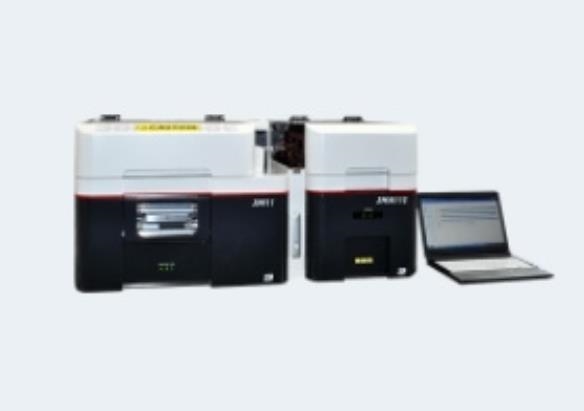
Trace organic element analyzers are widely used in environmental monitoring, food safety, pharmaceuticals, chemical industry and other fields for quantitative analysis of trace organic element content in samples. Proper use of instruments can not only improve the accuracy of experimental data, but also extend the service life of the instruments. This article will provide a detailed introduction to the usage of the instrument and offer some operational tips to help users efficiently and accurately complete analysis tasks.
1、 Instrument preparation and start-up
Before using the instrument, it is important to ensure that it is in the correct working condition. The following are the basic steps to start the instrument:
1. Check the status of the instrument: Firstly, check if the instrument is installed properly and if the power supply is connected properly. Ensure that the main components of the analytical instrument, such as the light source, detector, sample chamber, etc., are in good condition.
2. Preheating instrument: After turning on the instrument, preheat it. The preheating time is usually 15 to 30 minutes, and the specific time varies depending on the type and model of the instrument. During the preheating process, the instrument will stabilize its light source temperature and detector performance to ensure the accuracy of the data.
3. Calibration instrument: Before formal use, calibrate the instrument with standard samples to ensure the accuracy of the readings. Calibration usually includes zero point calibration and span calibration. The selection of standard samples should be based on the requirements of the instrument manual.
2、 Sample preparation
The processing method of the sample directly affects the accuracy of the analysis results, so it is necessary to strictly follow the operating procedures for the preliminary preparation of the sample.
1. Sample preparation: According to the instrument requirements, take an appropriate amount of sample for processing. For solid samples, it is usually necessary to grind them into powder and sieve them to ensure uniformity of the sample. Liquid samples may require filtration or dilution.
2. Sample size control: Ensure that the sample size for each analysis meets the instrument requirements. Excessive or insufficient sample size can lead to measurement errors, so special attention should be paid to quantity control when preparing samples.
3. Sample placement: Accurately place the processed sample into the sample pool or slot, ensuring good contact between the sample and the sensor or light source of the analytical instrument, and avoiding analysis errors caused by improper sample placement.
3、 Analysis process
The working principle of trace organic element analyzers is usually based on spectroscopic analysis techniques, using different elements to absorb or emit light of specific wavelengths for quantitative analysis. The analysis process generally includes the following steps:
1. Choose the appropriate detection mode: According to the experimental requirements, select the appropriate analysis mode. For example, for certain elements, it may be necessary to choose different excitation light sources or wavelengths.
2. Parameter setting: Set appropriate instrument parameters based on the characteristics of the sample and detection requirements, such as light source intensity, integration time, analysis range, etc.
3. Start analysis: Start the instrument for analysis. During this process, the analytical instrument will perform multiple measurements on the sample to ensure the repeatability and reliability of the data.
4. Data recording and processing: After the analysis is completed, the instrument will output the results. Data can be further processed, stored, and analyzed through the instrument's built-in software or external computer.
4、 Cleaning and maintenance
Timely cleaning of the instrument after each use is the key to ensuring its long-term stable operation.
1. Sample Room Cleaning: After the analysis is completed, use appropriate cleaning tools (such as cotton swabs, alcohol, etc.) to clean the sample room and sample slot to avoid the influence of residues on the next analysis.
2. Regular maintenance: Regularly inspect key components such as light sources and detectors of the instrument to ensure their normal operation. Replace or maintain the instrument according to the instruction manual, such as replacing the light source, cleaning the optical lens, etc.
5、 Precautions
1. Temperature and humidity control: The temperature and humidity of the working environment of the instrument should be kept stable to avoid the impact of high temperature or humidity on the accuracy of the instrument.
2. Avoid overload: When conducting analysis, it is important to avoid overloading the analytical instrument due to excessive sample size. Overload may cause damage to the optical system or measurement errors.
3. Regular calibration: In order to maintain the measurement accuracy of the instrument, standard samples should be used regularly for calibration.
6. Conclusion
As a precision analytical tool, trace organic element analyzers can provide accurate element detection results for various industries. By mastering the correct usage methods, sample preparation techniques, and instrument maintenance, users can ensure the long-term stable operation of the instrument and obtain accurate and reliable analytical data. Accurate operation and regular maintenance will enable the trace organic element analyzer to perform at its maximum efficiency in your work, improving experimental quality and efficiency.