-
E-mail
metaspex@metaspex.com.cn
- Phone
-
Address
No.1 Lingjiashan South Road, Donghu New Technology Development Zone, Wuhan City, Hubei Province
Wuhan Pu Yuan Optoelectronic Instrument Co., Ltd
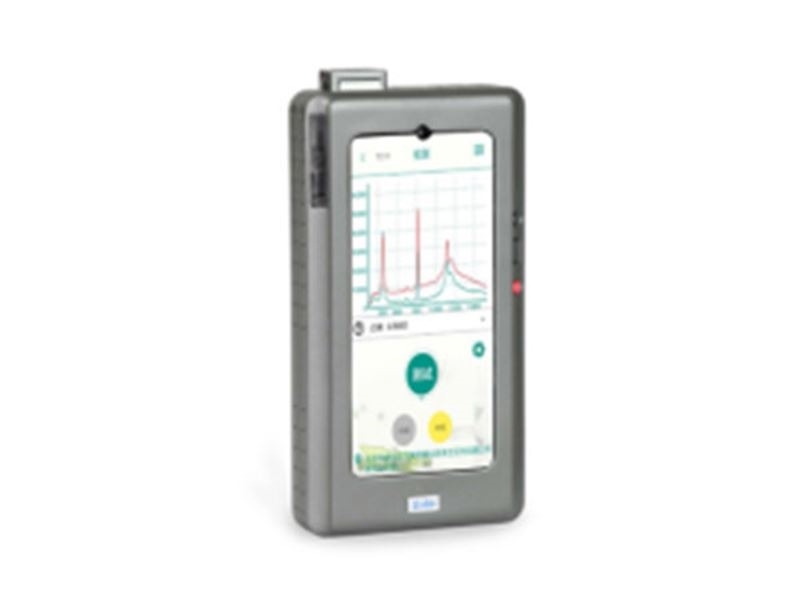
Handheld Raman spectrometer for hazardous chemicals is the "on-site investigator" for hazardous chemical detection
Date: 2025-11-12Read: 2
In the fields of chemical production, logistics transportation, public safety, etc., rapid and accurate identification of hazardous chemicals is the key to preventing accidents. Traditional detection methods, such as laboratory chromatographic analysis, rely on sampling and testing, which is time-consuming and complex, making it difficult to meet the real-time screening needs on site.Handheld Raman spectrometers for hazardous chemicals have become the "on-site investigators" in the field of hazardous chemical detection due to their technological advantages of "non-contact, second level response, and precise identification".
1、 Core testing object: covering multiple types of high-risk chemicals
This type of instrument is mainly used to detect high-risk substances such as hazardous chemicals, explosives, TIC, TIM, and chemical warfare agents (CWA). Specifically, it includes:
1. Prohibited items: Common prohibited items such as CHN, C13H17Cl2NO, C21H27NO, CHClNO ₄, as well as Pseudoephedrine, C11H16N2, etc;
2. Explosive materials: C ∝ H ₆ N ₆ O ₆, Oktojin and other explosive materials, as well as S, NH4NO3 and other explosive materials;
3. Toxic chemicals: Highly toxic gases such as HCN, H ₂ S, NH ∝, HCl, as well as toxic organic solvents such as C6H6, C7H8, CH3COCH3, CHCl3;
4. Other hazardous materials: flammable liquids (such as C2H5OH), corrosive substances (such as HCl, H2SO4), unknown white powders, etc.
2、 Technical principle: Molecular fingerprint recognition using Raman spectroscopy
Handheld Raman spectrometer for hazardous chemicals collects scattered light signals by emitting lasers of specific wavelengths to irradiate the sample to be tested. Due to the unique chemical bond vibration modes of different molecules, their Raman spectra exhibit specific "fingerprint peaks", which are as unique as human fingerprints. The instrument's built-in high-sensitivity detector and intelligent algorithm can quickly compare the measured spectrum with the standard spectrum in the database, providing the substance name, category, and hazard level within seconds.
3、 Core advantage: The 'hard power' of on-site testing
1. Non destructive and fast: No need to contact the sample, single detection time ≤ 15 seconds to 30 seconds, much faster than laboratory methods (usually several hours);
2. Accurate and reliable: The spectral resolution reaches 7-12cm ⁻¹, and it can distinguish compounds with similar structures, with a false alarm rate of ≤ 2%;
3. Safe and convenient: Low power laser is used, and some equipment has passed explosion-proof certification. It can be used in environments ranging from -20 ℃ to 50 ℃ or in scenarios with high passenger flow such as stations and airports;
4. Data traceability: Supports generating PDF reports and exporting raw spectral data for subsequent analysis and archiving.
From raw material screening in chemical industrial parks, to luggage inspection at subway stations, and to unknown substance identification in laboratories, handheld hazardous chemical Raman spectrometers have built an "invisible defense line" for public safety and industrial production with their "on-site, real-time, and accurate" detection capabilities.