-
E-mail
15122725930@163.com
-
Phone
15122725930
-
Address
No. 11 Shuangchuan Road, Beichen Economic Development Zone, Tianjin
Tianjin Zhonghuan Electric Furnace Co., Ltd
How to ensure temperature uniformity inside the bell jar furnace? Heating element layout revealed
Date: 2025-11-21Read: 1
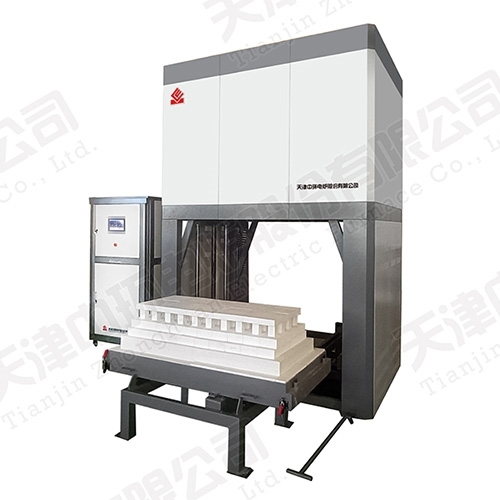
As a widely used equipment in the field of heat treatment, one of the core performance indicators of the bell jar furnace is the temperature uniformity inside the furnace. Good temperature uniformity not only directly affects the consistency of workpiece heat treatment quality, but also relates to energy efficiency and equipment lifespan. So, how does a bell jar furnace achieve high-precision temperature uniformity? The key lies in the scientific layout of the heating elements.
Firstly, the arrangement of heating elements should follow the principle of "symmetry+zoning". In a typical caseBell furnaceIn the structure, heating elements are usually arranged in a circular or spiral shape around the inner wall of the furnace, ensuring that heat is evenly radiated from all sides to the center. At the same time, in order to cope with possible temperature differences in different height areas, the furnace body is often divided into multiple independent temperature control zones (upper, middle, and lower zones), each equipped with independent thermocouples and power regulation modules to achieve precise zone temperature control.
Secondly, the material and power density of the heating element are also crucial. Common materials such as silicon molybdenum rods, resistance wires, or silicon carbide components should be selected according to the operating temperature range. For example, nickel chromium alloy wire is commonly used below 1200 ℃, while molybdenum disilicide is preferred at higher temperatures. A reasonable power density design can avoid local overheating while ensuring a stable heating rate and thermal field.
In addition, the flow of atmosphere inside the furnace also has a significant impact on temperature uniformity. By setting up baffles or forced circulation fans reasonably, it is possible to promote the uniform distribution of hot air flow in the furnace and reduce dead corners. Especially in protective atmospheres or vacuum environments, precise control of airflow organization is necessary.
Moreover, regular calibration of thermocouples, checking the aging status of heating elements, cleaning furnace dust deposits, and other maintenance measures are also the basis for maintaining long-term temperature uniformity. Modern bell jar furnaces also commonly integrate intelligent temperature control systems, which adjust output power in real-time through PID algorithms to further improve temperature control accuracy.
In conclusion,Bell furnaceThe temperature uniformity is not determined by a single factor, but is the result of the synergistic effect of heating element layout, zone control, airflow design, and intelligent systems. Only by taking into account these elements in design and operation can we truly achieve the ideal effect of "constant temperature everywhere in the furnace".