-
E-mail
jh5120jh5120@163.com
-
Phone
18622580960
-
Address
No. 9 Taikang Road, Xiditou Industrial Park, Beichen District, Tianjin
Tianjin Tiandian Valve Co., Ltd
Core component of intelligent temperature control system with heat dissipation temperature regulating valve
Date: 2025-10-26Read: 39
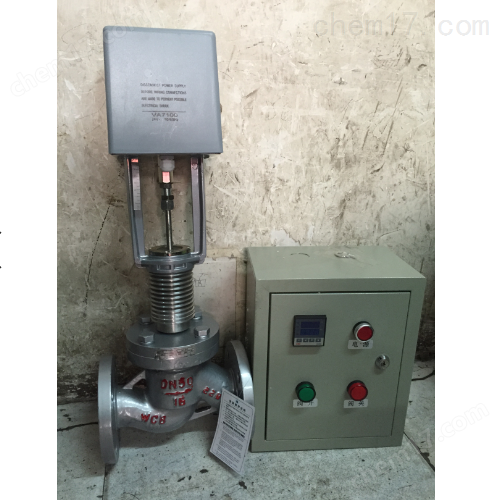
In the fields of industrial production, building HVAC, and energy management,As a key executing component of the automated temperature control system, the cooling temperature regulating valve achieves precise temperature control by dynamically adjusting the medium flow rate, with dual functions of energy saving, consumption reduction, and equipment protection.Its mechanism of action integrates thermodynamic principles and intelligent control technology, providing a reliable solution for temperature management under complex working conditions.
1、 Dynamic flow regulation: a direct means of temperature control
This type of valve automatically adjusts the valve opening to change the flow cross-sectional area of the medium (such as steam, water, and thermal oil) by sensing changes in system temperature. When the temperature exceeds the set value, the valve core is driven by the actuator to reduce the opening and decrease the input of high-temperature medium; When the temperature is low, increase the opening to supplement heat energy. This closed-loop regulation mechanism controls the temperature fluctuation range of the system within ± 1 ℃, far superior to the ± 5 ℃ error of traditional manual valves, especially suitable for temperature sensitive scenarios such as chemical reaction vessels and data center cooling systems.
2、 Heat dissipation enhancement design: breakthrough in adaptability to high temperature conditions
For high-temperature media or environmental heat dissipation requirements, the valve integrates heat dissipation fins, heat pipes, or forced air cooling structures to effectively reduce the operating temperature of the actuator. For example, in the cooling system of continuous casting machines in the metallurgical industry, valves need to withstand steam impacts above 300 ℃ for a long time. The cooling module can control the actuator temperature below 65 ℃ to avoid electronic component failure due to overheating. Some products adopt a dual chamber design, which isolates the electrical control part from the high-temperature medium, further extending the service life of the equipment.
3、 Intelligent Control Integration: Efficient Collaboration with Systems
Modern temperature control valves with heat dissipation are commonly equipped with digital controllers that support 4-20mA signal input, MODBUS communication protocol, and HMI human-machine interface, and can seamlessly integrate with DCS/PLC control systems. By using PID algorithm to achieve self-tuning regulation, the response speed is more than three times faster than traditional mechanical valves. In the regional heating network, this valve can dynamically allocate heat sources according to the needs of end users, improving the overall energy efficiency of the pipeline network by 15% -20%.
4、 Security protection system: multiple guarantee mechanisms
The valve is equipped with over temperature protection, overload cut-off, and fault self diagnosis functions. When the temperature of the medium rises abnormally, the valve core automatically switches to the safe position and triggers an alarm; When the torque of the actuator exceeds the limit, the motor will be powered off to prevent mechanical damage. Some products have passed ATEX/IECEx explosion-proof certification and are suitable for flammable and explosive environments such as petrochemicals. Their heat dissipation structure can also prevent static electricity accumulation and eliminate safety hazards.
5、 Energy efficiency optimization value: long-term economic viability
By precise temperature control to reduce energy waste, the application of this valve in air conditioning systems can reduce the energy consumption of refrigeration units by 12% -18%. Its modular design supports online maintenance, reducing downtime by 70% and overall maintenance costs by 40%. In the thermal management system of new energy batteries, stable temperature control can also extend the battery cycle life by more than 20%, significantly improving the economic benefits of the entire life cycle.
From industrial manufacturing to civil buildings, temperature regulating valves with heat dissipation are continuously expanding their application boundaries through technological innovation. Their intelligent and highly reliable characteristics have become crucial core components of modern temperature control systems.