-
E-mail
1006323648@qq.com
-
Phone
15335262833
-
Address
No. 47 Yingyan East Road, Tongli Town, Wujiang District, Suzhou City, Jiangsu Province
Suzhou Yuanshui Purification Equipment Co., Ltd
What are the components of a portable planktonic bacteria sampler
Date: 2025-10-21Read: 5
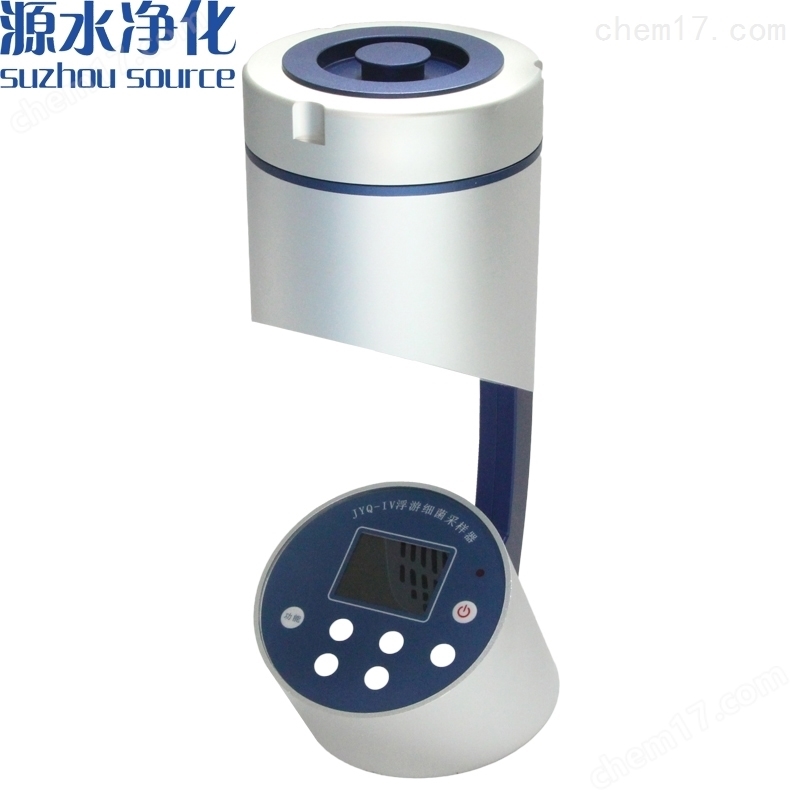
A portable planktonic bacteria sampler is a device used to collect microbial samples from water or air. The following are its common components:
1. Sampling head
Structural characteristics: Usually in the shape of a hollow cylinder, it is a component that directly contacts the measured environment. It is equipped with a filter membrane fixing device and a negative pressure control device, which can introduce water or air flow into the interior of the equipment. For example, in some designs, the front end of the sampling head may have a specific opening shape or structure to optimize sampling efficiency and reduce interference.
Function: Responsible for extracting liquid (such as water) or gas samples containing planktonic bacteria from the surrounding environment and guiding them to subsequent processing steps. The internal channels and structure help to evenly distribute the sample flow, ensuring stable sampling performance.
2. Portable planktonic bacteria sampler filter membrane
Material and aperture selection: Different aperture and material filter membranes can be selected according to needs. Common materials include cellulose esters, polycarbonate, etc. The different pore sizes determine the range of microbial sizes that can be intercepted. A suitable filter membrane can effectively capture target planktonic bacteria and allow smaller particles to pass through, thereby achieving precise sampling.
Working principle: When the sample enters through the sampling head, it will pass through a filtration membrane. Due to the special structure and pore size of the filter membrane, planktonic bacteria in water or air are blocked on the surface of the filter membrane, forming a collection layer, while other smaller substances are eliminated through the filter membrane.
3. Sampling container
Sealing requirements: Generally, it is a sealed container with good sealing performance, which can prevent the sample from being contaminated and leaked by the outside world. This can ensure that the collected samples remain in their original state during transportation, storage, and subsequent analysis, ensuring the accuracy of the data.
Purpose: Used to store filtered filter membranes containing planktonic bacteria for further analysis in the laboratory, such as microbial cultivation, counting, identification, etc.
4. Pump or suction device
Power source and type: It can be manually operated to generate negative pressure, or it can be an electric pump driven by a motor. Electric pumps can provide more stable and controllable suction force, suitable for various complex sampling scenarios. Some high-end equipment may also be equipped with pump systems that can adjust flow and pressure to meet different sampling needs.
Working process: By creating a negative pressure environment, external water or air samples can be smoothly drawn into the sampler, and the sample is pushed through components such as the sampling head and filter membrane to complete the entire sampling process.
5. Portable planktonic bacteria sampler control system
Parameter setting function: allows users to set relevant parameters according to specific sampling requirements, such as sampling time, sampling volume, flow rate, etc. Some advanced planktonic bacteria samplers also have intelligent control functions, which can automatically perform sampling operations according to preset programs.
Operation management function: Monitor and manage the entire sampling process, ensure the coordinated work of various components, and guarantee the accuracy and reliability of sampling. For example, it can display real-time information such as sampling progress and remaining battery life, and issue alert prompts in case of abnormal situations.
6. Power supply module
Advantages of battery power supply: Many planktonic bacteria samplers use batteries as a power source, making it convenient to use without an external power source, enhancing the portability and flexibility of the device. The type and capacity of the battery will affect the continuous working time of the device, so the actual usage needs need to be considered when selecting.
Charging method and battery life: Generally equipped with corresponding chargers, the battery can be charged indoors. High quality batteries have a longer battery life and can meet the needs of on-site sampling work for a longer period of time.
7. Shell and body materials
Material characteristics: It is usually made of high-strength plastic or stainless steel materials, which have good corrosion resistance, durability, and portability. They can protect internal components from damage while also being easy to carry and use.
Design considerations: The design of the casing should not only consider aesthetic and ergonomic factors, but also ensure the waterproof and dustproof performance of the equipment to adapt to different working environments.
8. Connecting pipeline and accessories of portable planktonic bacteria sampler
Function of rubber hoses and other components: including various connecting rubber hoses, fittings, and other accessories used to connect sampling heads, pumps, filter membranes, and other related components to ensure smooth flow of samples in the system. These accessories need to have good flexibility, corrosion resistance, and sealing properties.
Installation convenience: Reasonable design and standardized dimensions make it easy to install and disassemble connecting pipelines and accessories, facilitating equipment maintenance and cleaning.
9. Display screen and operation interface
Information display function: used to display the operating status, sampling parameters, real-time data and other information of the device, allowing users to intuitively understand the working condition of the device. For example, important indicators such as the current sampling time, the amount of samples collected, and the remaining battery level can be displayed.
Convenience of interactive operation: Through simple button or touch operations, users can easily set parameters, start/stop sampling, and other operations, improving the usability and work efficiency of the device.
10. Petri dish holder (applicable to some models)
Specific application scenarios: In some planktonic bacterial samplers used for air microbial sampling, a culture dish holder will be equipped. For example, the Hongji Clean FKC-1 Floating Air Dust and Bacteria Sampler can place a culture dish containing culture medium on the dish holder. When air is inhaled through a porous cover, microorganisms will be impacted onto the agar coated culture dish for subsequent analysis such as colony counting.
Positioning and adjustment function: In order to ensure that the culture dish is in the correct position and horizontal state, there are usually corresponding positioning rods or other adjustment devices to achieve the best position relationship between the culture dish and the sampling head, improving the accuracy and reliability of sampling.