-
E-mail
leon@chinafema.cn
-
Phone
17761910072
-
Address
Building 3, Hongchuang Technology Park, Suzhou Industrial Park
Solution
Suzhou Fermaco Automation Technology Co., Ltd
How to achieve a "mirror effect" in the preparation of tensile specimens?
Preface
In metallographic analysis, we often encounter some "tricky" samples, and tensile specimens are one of them. Its physical characteristics of large length and thin thickness make it highly susceptible to edge damage and tissue distortion due to unstable fixation or stress concentration in traditional inlay polishing processes. This article elaborates on the entire process of metallographic preparation for long, thin, and difficult to handle samples, covering advanced techniques from fixing difficulties to final vibration polishing, providing a reliable practical reference for the preparation of tensile specimens.
Preparation of tensile specimens - difficulties in preparation

Figure 1 Macroscopic image of the sample
One of the difficulties in this sample preparation is how to stabilize and fix the sample without damage. Conventional metallographic inlay methods, such as phenolic resin inlay, can be difficult to inlay due to the length and thinness of the sample, and may cause the sample to loosen or detach from the inlay due to uneven stress during grinding and polishing.
Therefore, we abandon the traditional embedding method and adopt the paraffin bonding method. Temporarily fix the sample onto a customized flat sample tray using paraffin wax. This method not only provides sufficient grip strength, but also avoids the thermal and mechanical stresses that the embedding process may bring to the sample, making it particularly suitable for such irregular samples.
Preparation of tensile specimens - solution
We have developed the following solution for this sample.
——Grinding and polishing
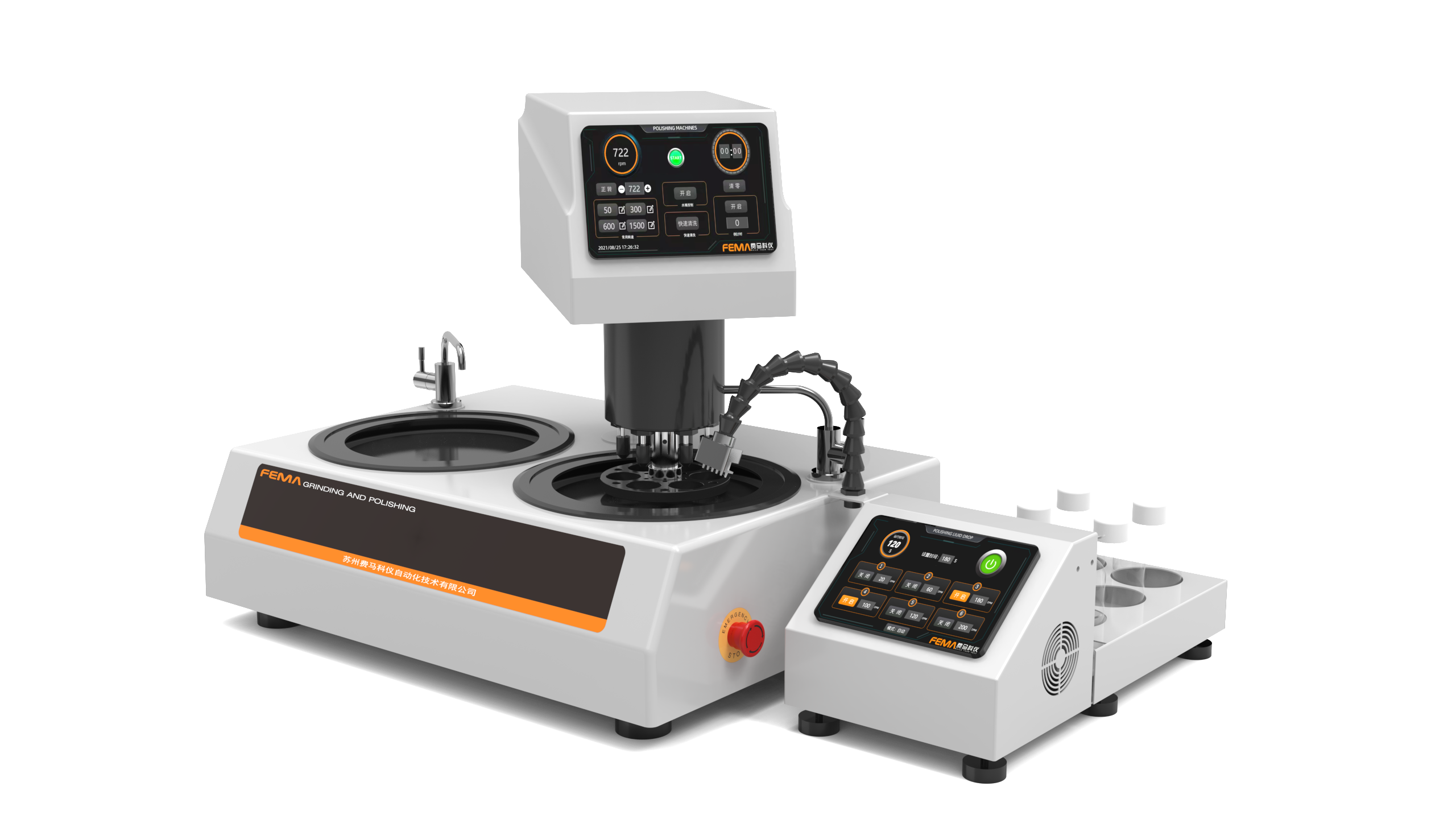
Figure 2 Fully automatic grinding and polishing machine Fpol 252AC auto
Clamping method:
Use paraffin to bond the sample onto a flat sample tray.

Figure 3 Paraffin bonding method
Grinding and polishing parameters:
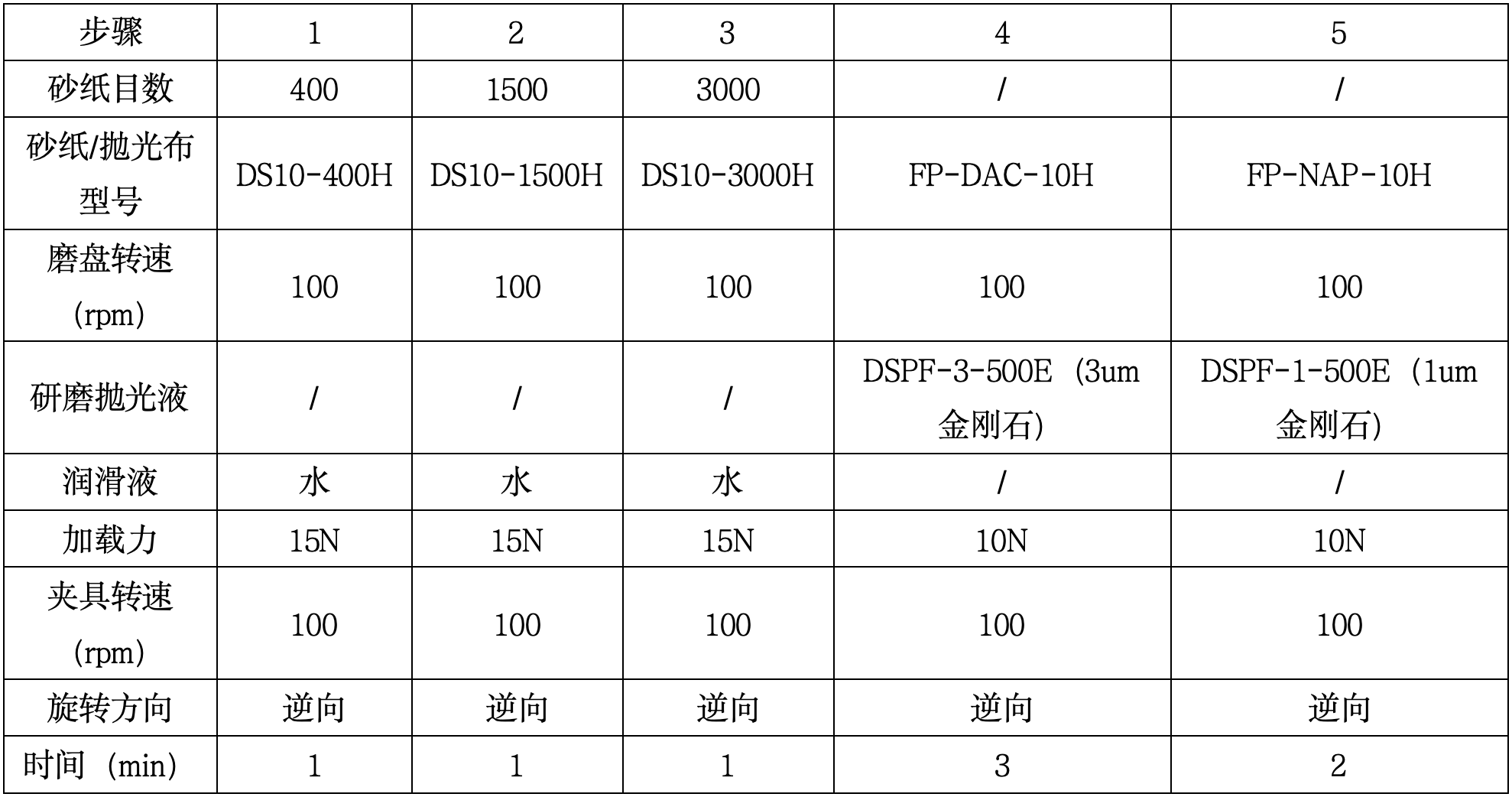
Table 1 Grinding and Polishing Parameters Table
After grinding and polishing, there are no obvious scratches on the surface of the sample macroscopically, but under high magnification (such as 500X or above) optical microscope or scanning electron microscope (SEM) observation, there may still be subtle deformation layers and scratches.
——Vibration polishing
Vibration polishing can remove the residual small deformation layer on the surface of the sample, obtaining a stress free and scratch free "mirror" surface.
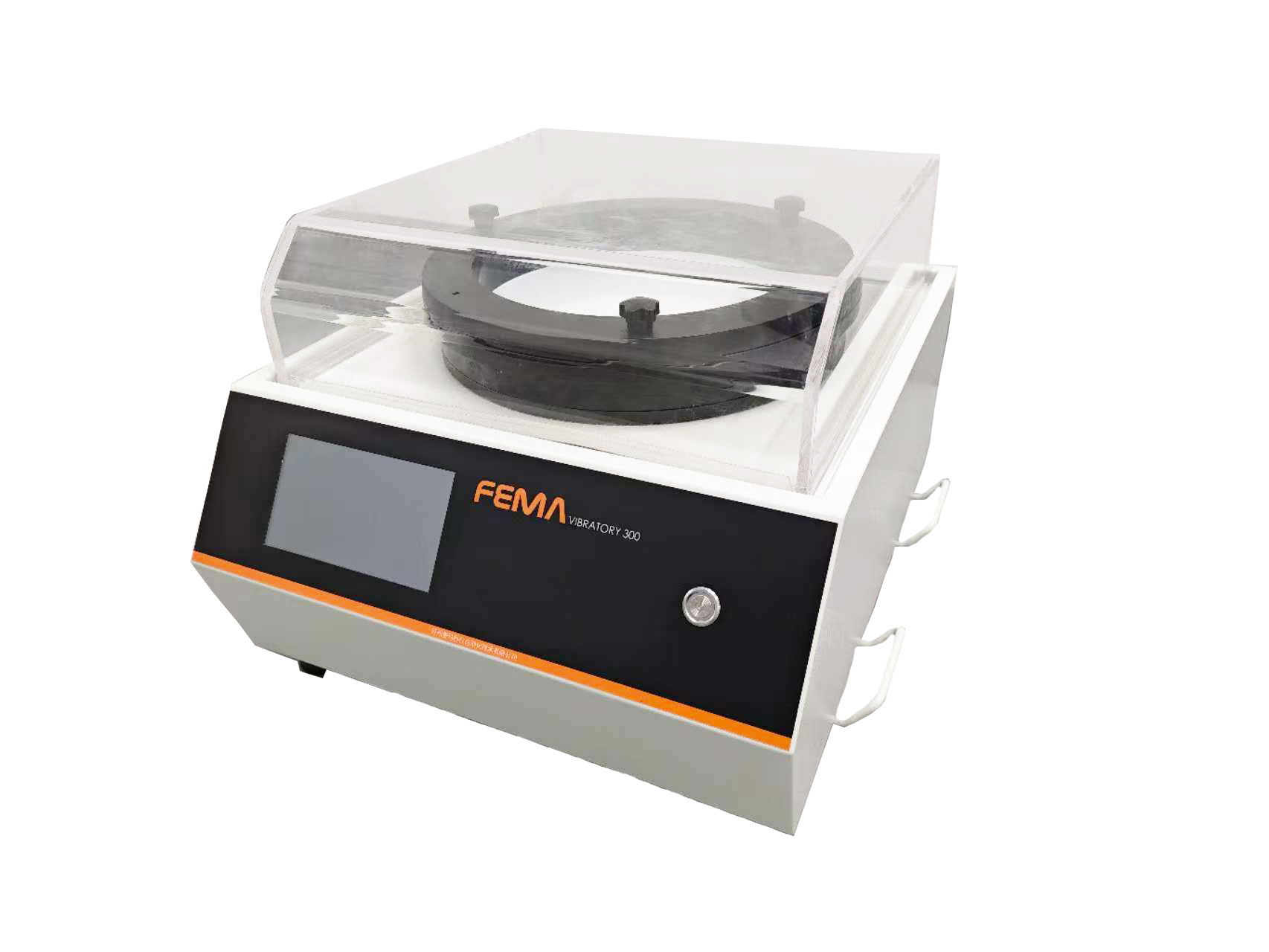
Figure 4: Fpol Vib2 Vibration Polishing Machine
Principle:
The Fpol Vib2 vibration polishing machine can generate almost horizontal vibrations, maximizing the contact time between the sample and the polishing medium, allowing the sample to slowly and gently move in a circular motion inside the polishing disc. Combined with FEMA's final polishing medium, mechanical chemical polishing can be achieved, which can effectively remove the deformation layer on the surface of the sample and obtain a flat, bright, and scratch free sample surface.
parameter
Using a final polishing cloth (305mm) combined with a final polishing suspension, the vibration duration is set to 2 hours, and the entire process runs automatically without the need for personnel on duty.
——Observation and analysis
The prepared samples were observed using a research grade upright metallographic microscope BM100G.
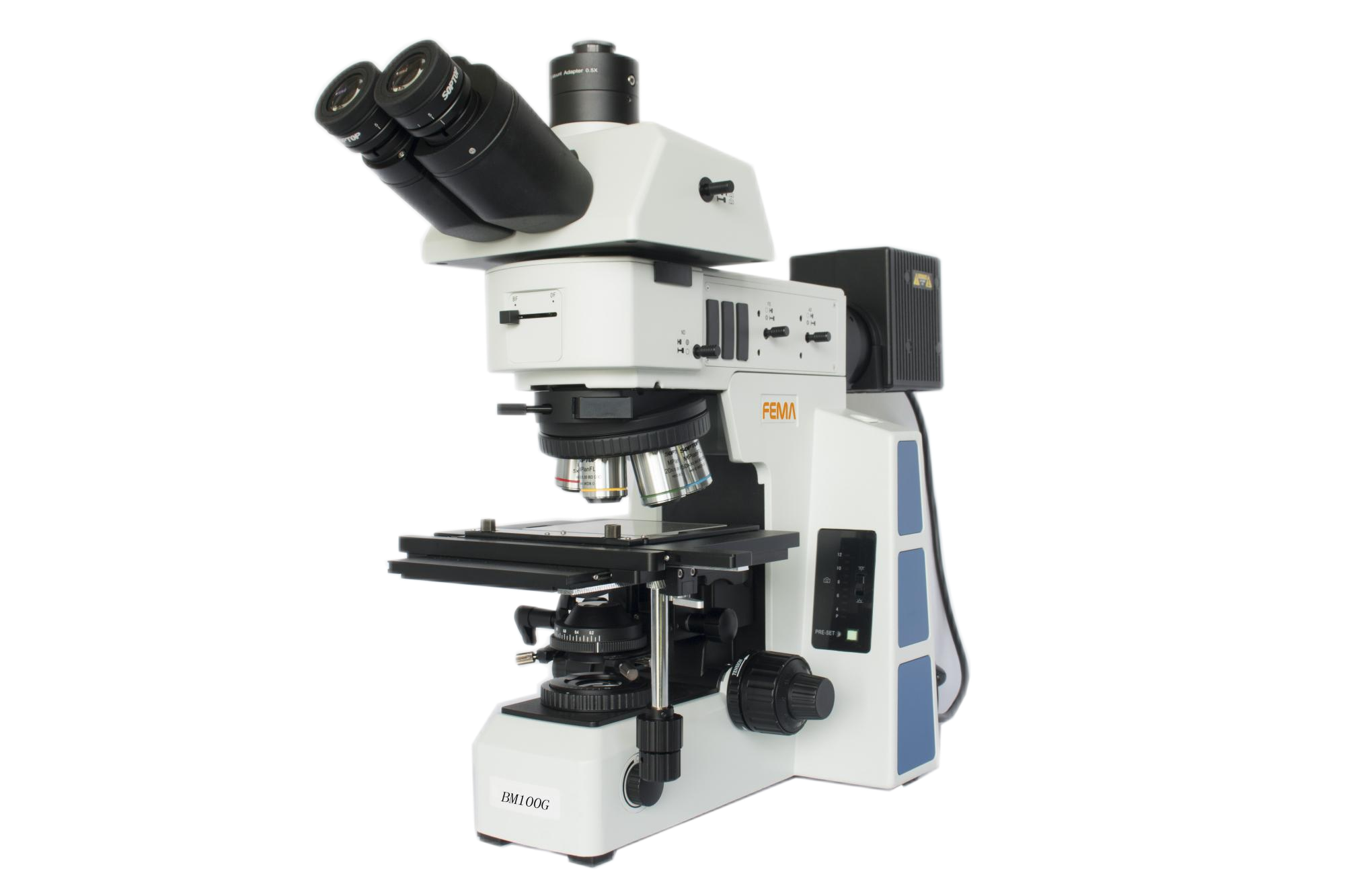
Figure 5: Research grade upright metallographic microscope BM100G
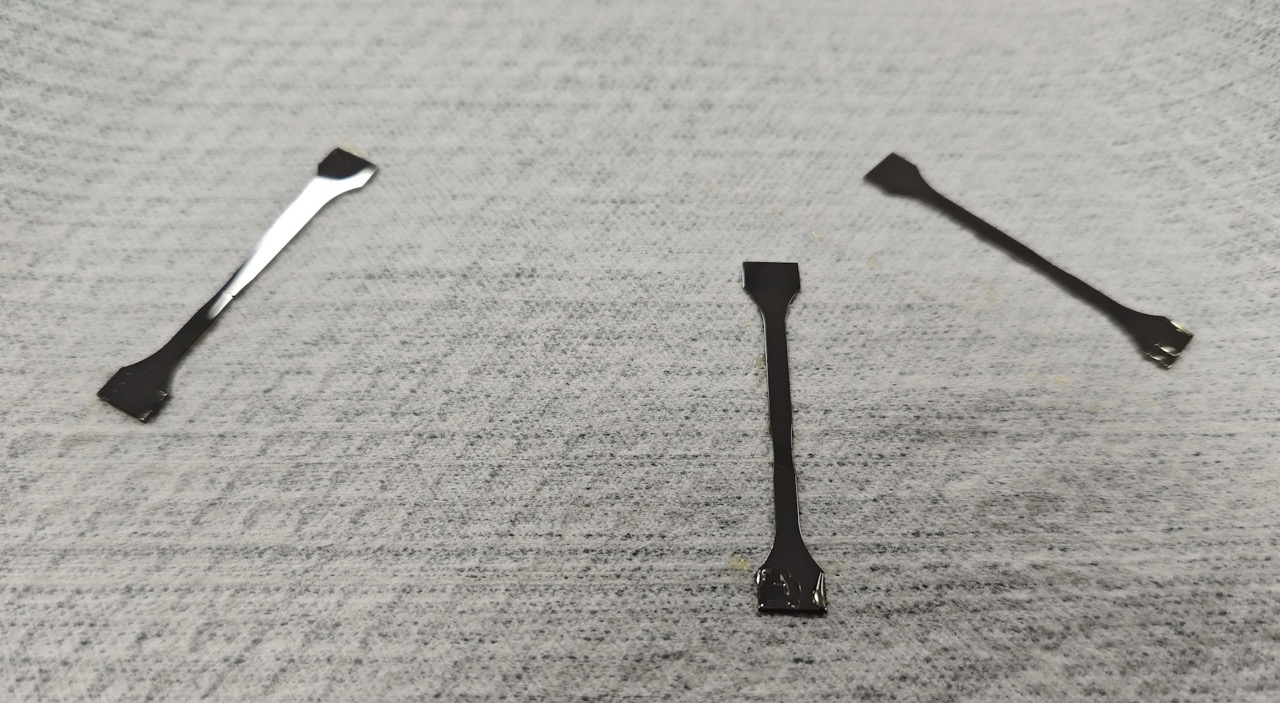
Figure 6 Sample - Macroscopic

Figure 7 Sample Bright Field 100x

Figure 8: Sample Bright Field at 200x

Figure 9: Sample Bright Field 500 Times
Summary
1. The tensile specimen has a long length and thin thickness, which is not suitable for conventional embedding grinding and polishing. Therefore, paraffin bonding is used to fix the specimen on a customized flat sample plate for grinding and polishing;
2. Due to the sample not being embedded and having sharp edges, it is more suitable to use a hard grinding disc for grinding;
3. After rough polishing and fine polishing, there are still fine scratches on the surface of the sample. If conventional observation is required, CHEM disk can be used with 0.05um silica for fine polishing. If electron microscopy observation is needed, vibration polishing is better. It can remove the residual stress on the surface of the sample while removing the small scratches.