-
E-mail
wei.zhu@shuyunsh.com
-
Phone
17621138977
-
Address
Room 602, Building 3, G60 Science and Technology Innovation Cloud Corridor, Lane 288, Qianfan Road, Songjiang District, Shanghai
Shuyun Instrument (Shanghai) Co., Ltd
Lexsyg Luminescence Detector | Application Sharing in Geological Dating Field - Helps Solve the Mystery of Spanish Chronology
Date: 2025-12-10Read: 0
Lexsyg instruments help unravel the mystery of the age of a millennium old Spanish monument! Santalla de B ó veda's architectural age finally revealed
The Santalla de B ó veda monument in the province of Lugo, Spain, has sparked heated debates in academia over its age and function for nearly a century due to its mysterious Roman style murals and architectural structure. Recently, an international research team has achieved the unlocking and dating of building ashes and bricks through instruments such as Lexsyg Research. The research results have been published in internationally renowned journals.
The research team innovatively adopted a combined solution of photoluminescence (OSL), thermoluminescence (TL), and carbon-14 dating technology:
1. OSL signal excitation and measurement of quartz particles, as well as thermoluminescence analysis, were completed using the Lexsyg research system
2. 39 sets of AMS carbon-14 dating data were cross validated using separated carbonates to establish an accurate dating framework.

【breakthroughConclusion:
Figure 1 (Bayesian Age Model) shows:
1. Main building: Second half of the 4th century AD (330-405 AD)
2. Mural layer: Early 7th century (599-649 AD)
3. Superstructure: 10th to 12th centuries (1083-1154 AD)
This discovery rewrites the understanding of ancient architectural history in Galicia, confirming that the architectural complex underwent multiple renovations from the late Roman period to the early Middle Ages.
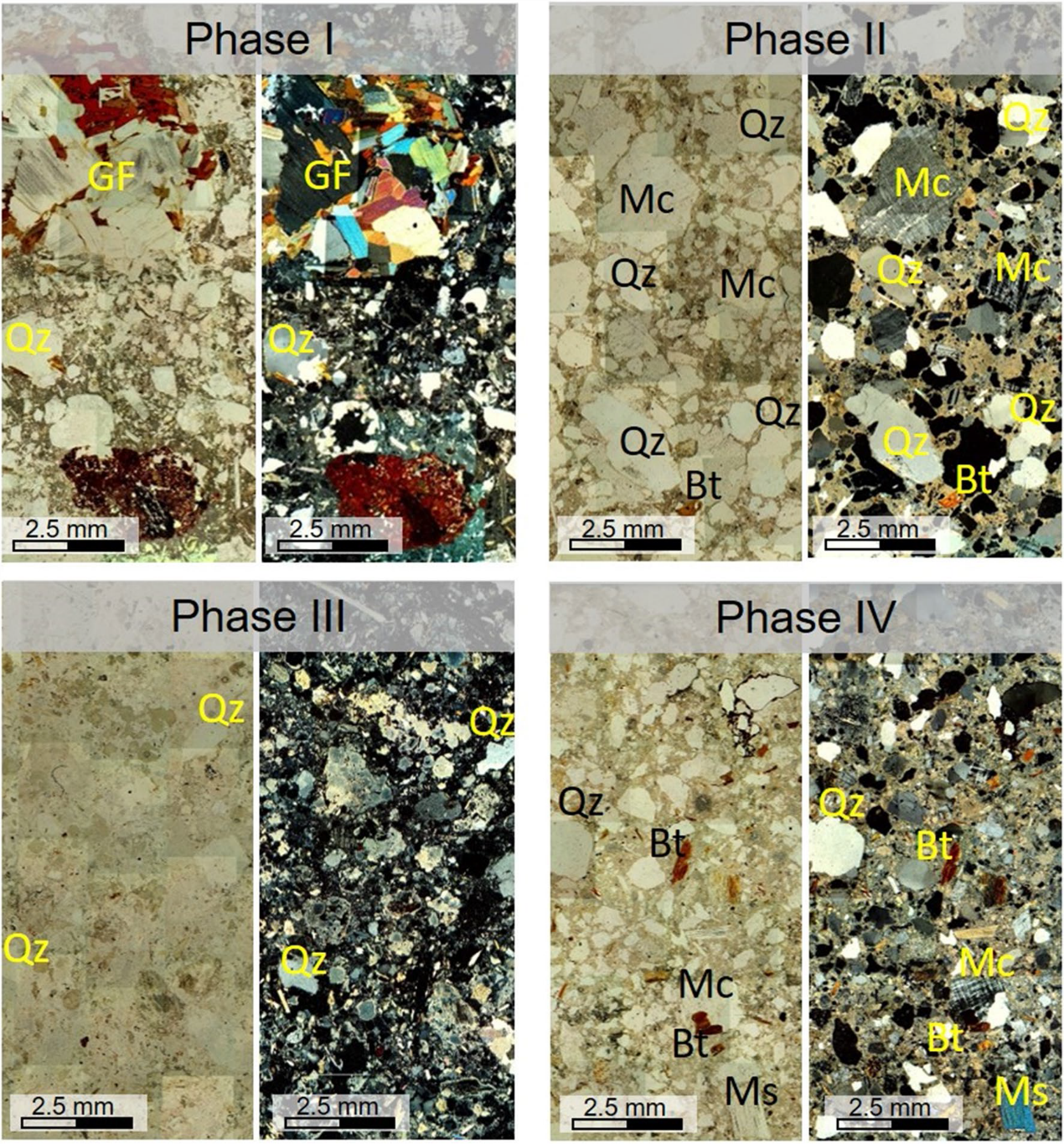
【 petrological evidence 】
▲ Figure 2 (microstructure of plaster) reveals:
1. Phase I plaster contains granite debris and pottery shards
2. Homogeneous quartz aggregate appears in Phase II
3. The particle size of the third phase mortar aggregate has significantly decreased
The material characteristics are highly consistent with the dating results, confirming the division of construction stages.