-
E-mail
wei.zhu@shuyunsh.com
-
Phone
17621138977
-
Address
Room 602, Building 3, G60 Science and Technology Innovation Cloud Corridor, Lane 288, Qianfan Road, Songjiang District, Shanghai
Shuyun Instrument (Shanghai) Co., Ltd
Application Sharing - Frozen X-ray Photoelectron Spectroscopy for Battery Interface
Date: 2025-11-12Read: 0
Understanding the chemical environment of the original interface is a long-term goal pursued in the fields of electrochemistry, materials science, and surface science. The electrode electrolyte interface (SEI) is considered to be a key component in lithium-ion batterieslithium metalThe important solid interface in batteries. At present, our understanding of the SEI chemical state is mainly based on X-ray photoelectron spectroscopy (RT-XPS) under room temperature (RT) and ultra-high vacuum (UHV) conditions. However, under room temperature and ultra-high vacuum conditions, SEI undergoes significant evolution due to reaction and volatilization:
(1) At room temperature, spontaneous decomposition and growth reactions can alter the composition of SEI, such asLiFTheLi₂OandLi₃NThe relative abundance of species will constantly change over time;
(2) In ultra-high vacuum environments, SEI components and decomposition products will evaporate, resulting in a decrease in SEI thickness.
Traditional RT-XPS may not reflect the true state of the interface and can only present the evolved interface morphology. Therefore, there is an urgent need for a detection technology that can stabilize SEI.
In response to this challenge, the team led by Cui Yi from Stanford University has developed a frozen XPS technology that combines rapid cooling based on the ULVAC-PHI XPS equipment. This technology effectively prevents chemical reactions under low temperature conditions and freezes volatile species in ultra-high vacuum environments, successfully achieving the complete preservation of SEI films. The SEI morphology observed by Cryo XPS differs significantly from RT-XPS: under freezing conditions, the original SEI film is thicker and the chemical composition is also completely different; In an ultra-high vacuum environment,LiFandLi₂OThe important components have neither experienced thickness reduction nor compositional changes. This new detection method for the original SEI components provides the possibility for studying the performance correlation under different electrolyte systems. The relevant results were published in the journal Nature under the title "Cryogenic X-ray photoelectron spectroscopy for battery interfaces".[1]
The testing process of Cryo XPS
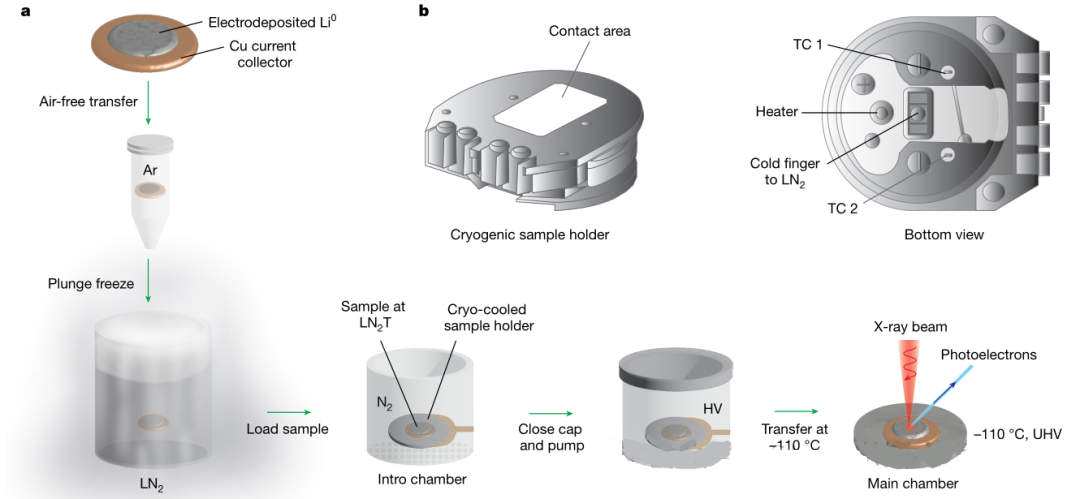
Figure 1. Cryo XPS transmission process for SEI preservation.
Figure 1 shows the testing process of Cryo XPS for SEI. After the battery disassembly is completed in the glove box, the electrode sample is sealed in a centrifuge tube and quickly transferred to a liquid nitrogen environment (about -196 ° C) for further processingsuddenlyFreeze the sample to ensure no air exposure throughout the entire process. Subsequently, the sample is placed in a pre cooled injection chamber and evacuated. Vacuum preparation and transfer can be completed within 5-10 minutesTo analyzeCollect XPS spectra at a constant temperature of -110 ° C. Cryo XPS technology can accurately reflect the detailed chemical environment of the original SEI, as low-temperature conditions can both inhibit chemical reactions and freeze volatile species under ultra-high vacuum. All XPS experiments were conducted on the Versa Probe IV XPS instrument at Stanford University's Nano Shared Facility.[2]
Time effect of SEI evolution
To investigate the time-dependent changes in SEI composition during Cryo XPS and RT-XPS processes, the research team compared time-resolved XPS data at the same detection point: first, Cryo XPS was performed on SEI samples that were deeply frozen, and then they were heated to room temperature for retesting (see Figure 2). The results showed that once SEI is at room temperature,LiFThe content immediately begins to increase and further increases with prolonged residence time. Other SEI components also exhibit similar preservation and evolution patterns, including those in the O 1s spectrumLi₂OIn the N 1s spectrumLi₃NWaiting for inorganic substances. The results indicate that Cryo XPS displays relatively lowLiFContent and timingIntermediate stabilityThe SEI composition.
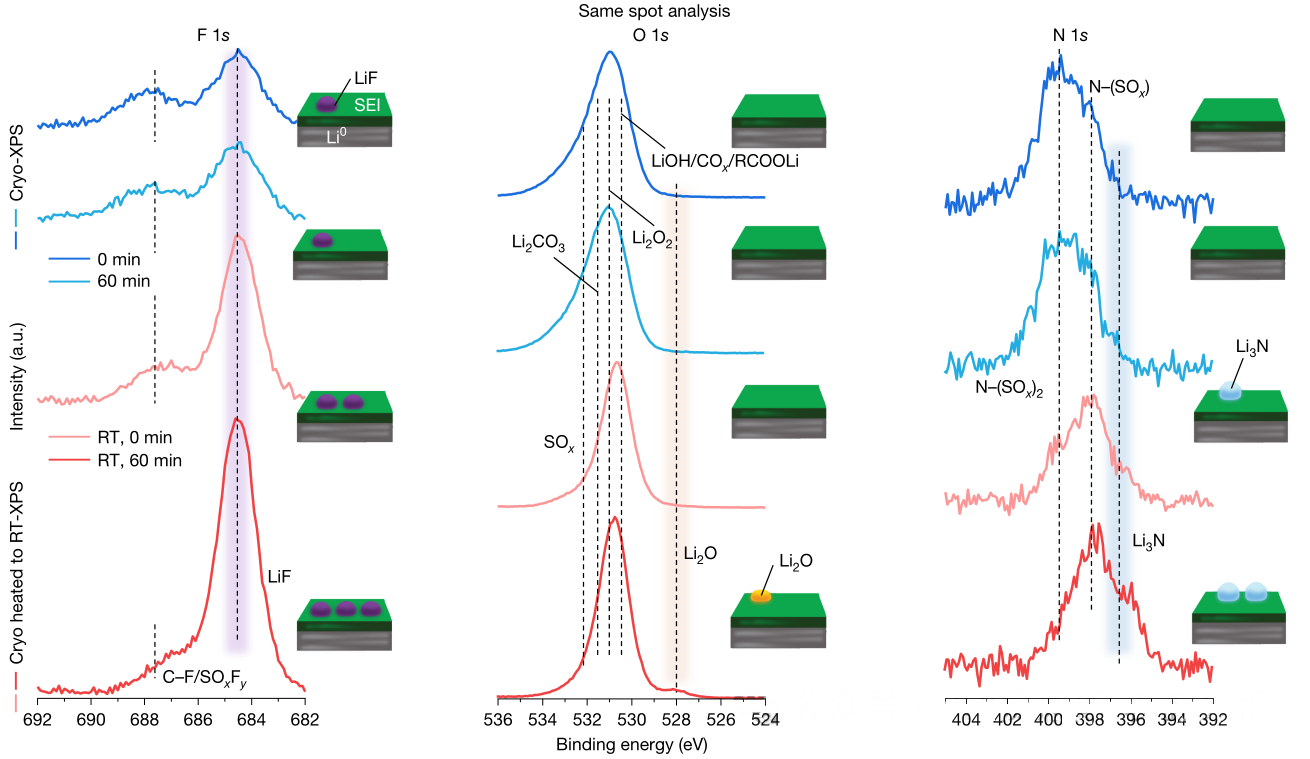
Figure 2. The preservation effect of SEI and its time-dependent evolution process.
Chemical reactions of SEI evolution
To investigate the effect of reaction effects on the system, the author used high-performance localized high concentration electrolytes and compared the SEI chemical composition under three experimental conditions (low-temperature XPS, in-situ heating of the same sample to room temperature XPS, and conventional room temperature XPS) (see Figure 3a). Research has found that both Cryo XPS heating to RT-XPS and conventional RT-XPS detect higher levels of [substance] than Cryo XPSLiFContent. This indicates that conducting RT-XPS analysis on SEI will lead toLiFOverestimation of content may affect the accurate evaluation of battery cycling performance. In addition, the O 1s results showed that the SEI detected by Cryo XPSLi₂OContent and local high concentration electrolytes, carbonic acidesterThe Coulomb efficiency trend of electrolytes is highly consistent. In contrast, the evolved SEI measured by RT-XPS deviates from its original state due to spontaneous reactions and cannot provide effective performance correlation.
UHV effect of SEI evolution
The author observed the underlying Li beneath SEI⁰The variation of metal peaks explains the UHV effect. Although Cryo XPS only detectsTo broadenSEI related Li 1s peak, but significant metallic Li was observed in the analysis of room temperature and low-temperature heating to room temperature⁰Peak (Figure 3b). The results indicate that the SEI layer will significantly thin under ultra-high vacuum room temperature conditions, with a significant deviation from the true SEI thickness, which may be due to the detachment of volatile species from the surface (Figure 3c). In contrast, the SEI thickness estimated by Cryo XPS is highly consistent with the results measured by cryogenic TEM. More importantly, at room temperature, only non-volatile species and stable reaction products dominate the SEI composition. All experimental results indicate that due to the combined effect of reaction and UHV effect, RT-XPS can only capture the evolved SEI, while Cryo XPS can achieve accurate evaluation of the original SEI composition and thickness.
The beam effect of SEI evolution
In TEM research, electron beam damage to lithium has been confirmed as an important influencing factor, which has also promoted the development of cryogenic TEM technology. To investigate the X-ray beam damage effect, the author collected five continuous spectra at low and room temperature conditions (Figure 3d, e). The results showed that for Cryo XPS and RT-XPS spectra, after five consecutive X-ray beam exposures,LiFThe intensity only slightly increases. This result indicates that the compositional changes caused by X-ray beam damage are extremely limited, and therefore the influence of beam damage can be ignored in actual XPS spectrum collection.
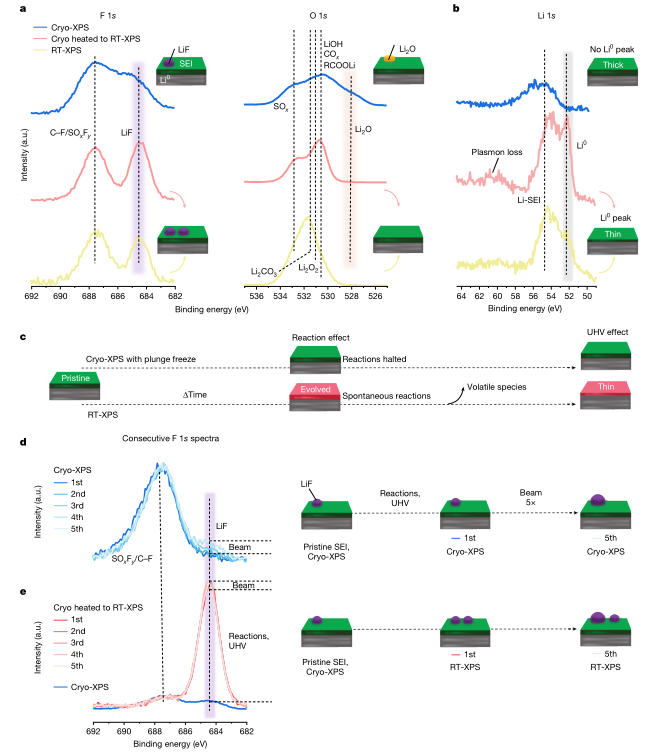
Figure 3. The effects of chemical reactions, ultra-high vacuum, and X-ray beam on the chemical composition of SEI.
The correlation between SEI composition and performance
Due to the well preserved original SEI information provided by Cryo XPS, the research team conducted a correlation analysis between its composition and Coulomb efficiency (see Figure 4). The results showed that the correlation obtained using conventional RT-XPS data was only at a moderate level (ρ=0.6), while a highly positive correlation was observed using Cryo XPS data (ρ=0.9). This indicates that RT-XPS is difficult to provide reasonable correlation between different electrolyte chemical systems, and the differences between the two may be due to the combined effects of complex room temperature reactions and UHV effects. Therefore, Cryo XPS can more accurately characterize the composition of the original SEI, thereby establishing more reliable performance correlations between different electrolyte chemical systems.
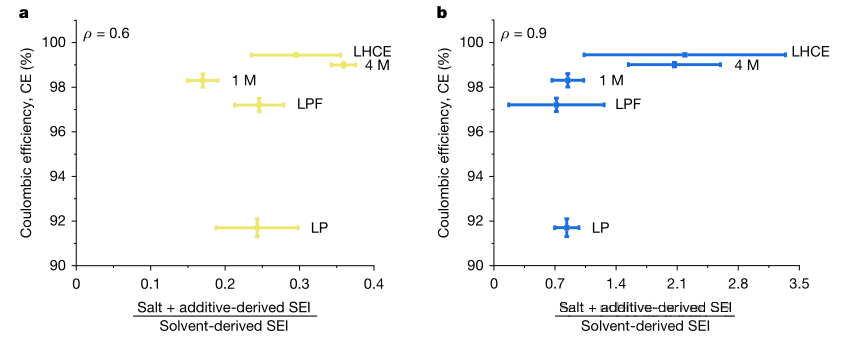
Figure 4. Correlation between salt/additive derived SEI components and Coulombic efficiency in different electrolyte systems.
summary
Cryo XPS technology effectively avoids the limitations caused by irreversible chemical composition evolution and species volatilization under UHV conditions in traditional methods. Based on the original SEI chemical composition obtained by Cryo XPS, it was found that the content of inorganic components in SEI is significantly positively correlated with Coulomb efficiency in different electrolyte systems. This technology creates an important opportunity to redefine cognitive frameworks and provide more reliable analysis of the original SEI components. By accurately revealing the chemical nature of the original SEI state, it will greatly accelerate the processlithiumThe optimization process of metal battery system. In addition, this technology has opened up a new path for the low-temperature characterization of sensitive active interfaces, enabling the accurate detection of the original state. The author hopes that this study can inspire more future work on characterizing sensitive and reactive interfaces under low temperature conditions, ensuring the complete preservation of the original state.
The key equipment support for this study comes from PHI XPS. The new generation PHI GENESIS platform further integrates functions such as inert atmosphere transmission, hard X-ray source, cold and hot sample stage, and four contact electrochemical coupling, enabling in-situ analysis of dynamic changes in surface interface structure and chemical states under external fields (temperature field, electric field), providing comprehensive solutions for scientific research on energy, materials, and surface interfaces.
References
[1] Shuchi, S.B., D’Acunto, G., Sayavong, P. et al. Cryogenic X-ray photoelectron spectroscopy for battery interfaces. Nature (2025). https://doi.org/10.1038/s41586-025-09618-3.
[2] https://snsf.stanford.edu/facilities/xsa/xps4
-Reprinted on the official account of PHI Surface Analysis UPN