-
E-mail
shiruining918@163.com
-
Phone
15830987788
-
Address
Xinshi North Road, Qiaoxi District, Shijiazhuang City
Shijiazhuang Dongya Electronic Technology Co., Ltd
The key role of solid powder flowmeter in the mining and environmental protection industries
Date: 2025-12-05Read: 0
Solid powder flowmeter is an instrument and equipment used to measure and control the flow rate of solid particles (especially powders), widely used in industries such as chemistry, pharmaceuticals, food, mining, and environmental protection. The main function of this flowmeter is to measure the real-time flow of powder materials in pipelines, ensuring precise control of the production process and guaranteeing product quality and production safety.
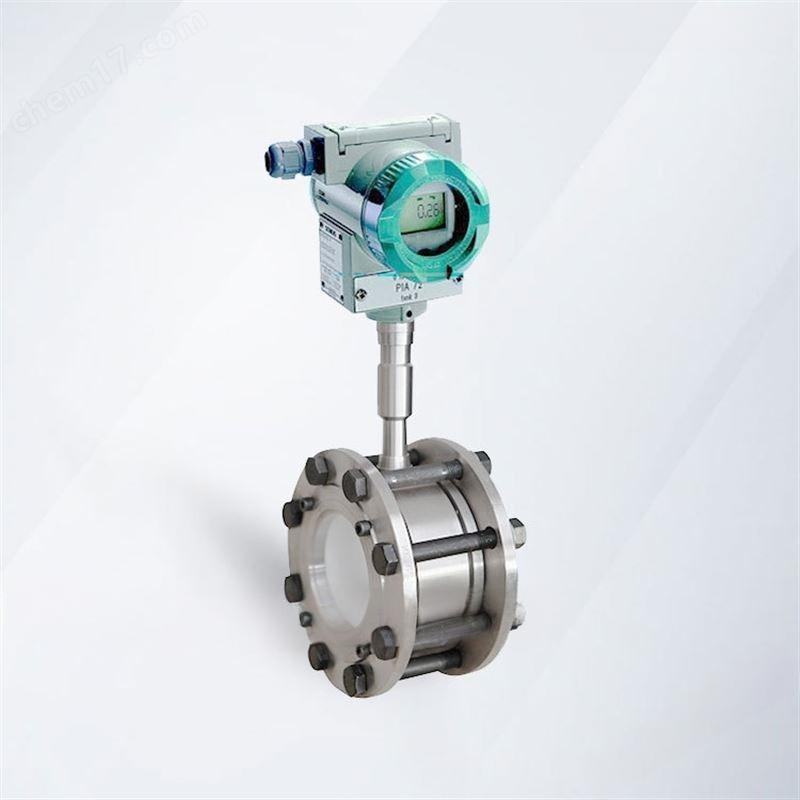
Solid powder flowmeterWorking principle:
1. Mass flow meter
The mass flow meter measures the mass flow rate of the material, not the volumetric flow rate. The working principle of this flowmeter is usually based on physical characteristics such as material inertia, vibration, or centrifugal force. By measuring the mass change of the material passing through the flowmeter, the flow rate can be calculated.
-Electromagnetic induction principle: By measuring the changes in the electromagnetic field generated by the flow of powder, the mass flow rate of the powder material flowing through the flowmeter is calculated.
-Vibration principle: By applying vibration of a specific frequency to guide the flow of powder and detecting changes in the amplitude of the vibration, the mass flow rate of the material can be calculated.
2. Volume flowmeter
The volumetric flow meter estimates the material flow rate by measuring the volumetric flow rate of the powder. Common technical principles include:
-Rotary flowmeter: The rotary flowmeter senses the volume of material flowing through the pipeline by the rotation of the rotor, and is suitable for powder materials with relatively uniform particles and good flowability.
-Turbine flowmeter: The working principle of a turbine flowmeter is to drive the rotation of the turbine through the flow of materials, and the speed of rotation is proportional to the flow rate. It is suitable for measuring granular materials with good fluidity.
3. Resistance flowmeter
The resistance flowmeter calculates the flow rate by measuring the frictional resistance changes on the inner wall of the pipeline during powder flow. The flow of materials is directly proportional to the frictional resistance in the pipeline, and the flow meter calculates the powder flow rate by monitoring this resistance.
4. Optical or laser flowmeter
Optical flow meters calculate flow rates by analyzing the scattering or diffraction of light during powder flow. The scattered light intensity of powder particles is related to their quantity and flow rate, so the powder flow rate can be obtained by measuring these changes.
Application fields:
1. Chemical industry
In chemical production, it is widely used in processes such as catalyst and raw material powder feeding, drying, and granulation. Accurate flow control can ensure the smooth progress of the reaction and prevent excessive or insufficient materials from affecting reaction efficiency.
2. Pharmaceutical industry
In the pharmaceutical industry, it is used for measuring pharmaceutical raw materials, proportioning granular materials, powder compression, and other processes. The production of drugs requires high precision and consistency, and powder flow meters can ensure the accuracy of each feeding, thereby ensuring the quality of drugs.
3. Food industry
In the food industry, many production processes involve the addition of powdered materials such as flour, milk powder, sugar powder, spices, etc. Being able to precisely control the flow of these raw materials ensures the quality and hygiene of food production.
4. Mining and metallurgical industries
In the mining and metallurgical industries, powder flow meters are commonly used for measuring and conveying materials such as metal ore powder and coal powder, ensuring the uniformity of materials and production efficiency during the production process.
5. Environmental protection industry
Powder flow meters are widely used in processes such as dust treatment and exhaust gas treatment in the environmental protection industry. For example, in the process of pneumatic conveying dust to the dust collector, the flow meter can monitor the material flow rate in real time to ensure the dust removal effect and operational safety.
Selection criteria for solid powder flow meters:
1. Material characteristics
The flowability, particle size, morphology, density, and other characteristics of different powder materials vary, so choosing a suitable flowmeter needs to be based on the actual situation of the material. For example, fine particle powders may affect measurement accuracy, so it is necessary to choose high-precision flow meters.
2. Flow range
The selection of flow meters also needs to be determined based on the range of measured flow. Different powder flow meters have different flow ranges, and instruments that can cover the expected flow rate should be selected.
3. Measurement accuracy
In some industries with high requirements, such as pharmaceuticals, food, etc., the measurement accuracy of flow meters is crucial. Therefore, it is necessary to choose a powder flowmeter with high precision according to specific applications.
4. Environmental conditions
The working environment of the flowmeter can also affect the selection. For example, factors such as temperature, humidity, pressure, and dust pollution can all affect the performance of flow meters, so it is necessary to choose equipment that can adapt to specific environments.
5. Maintenance and operation
The maintenance and ease of operation of flow meters also need to be considered. The installation and maintenance requirements of the equipment should be as simple as possible to reduce downtime and lower operation and maintenance costs.